

 Sasha Campbell
A closer inspection through a magnifying glass may confirm a worrying infestation of plant-feeding thrips. If you are an organic gardener, there are many natural ways to get rid of this pest problem.
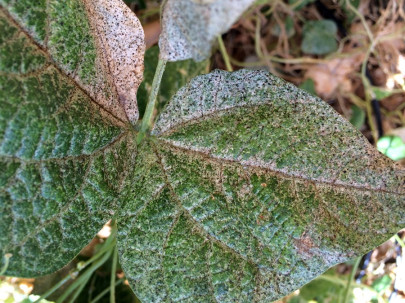
Thrips damage results in discoloration and the shedding of leaves and other plant parts. Leaf spots and dwarfing may also occur. Thrips may also enter your home on new plants.
Identification
Thrips are tiny, slender insects that feed on plant sap.
Adult thrips are usually about 1/25 to 1/8 inch long [1]. They may also appear black, brown, yellow, or pale white depending on the species and life stage [2].
Many adults have narrow wings fringed with tiny hairs, although some species are wingless.
Thrips nymphs (young thrips) are smaller and lighter in color, often pale yellow or cream. Because of their tiny size, they can be difficult to spot without a magnifying glass.
These pests are commonly found on the undersides of leaves, inside flowers, or around tender new shoots. They are especially active in hot, dry environments and can infest both indoor and outdoor plants.
Some common species include the western flower thrips (Frankliniella occidentalis) and onion thrips (Thrips tabaci).
Lifecycle
Thrips go through four main stages: egg, larva (nymph), pupa, and adult. Eggs are usually laid inside plant tissue, where they are protected and difficult to reach with sprays.
After hatching, both larvae and adults feed on plant sap, though larvae typically cause the most noticeable damage. They then drop into the soil or leaf litter to pupate before emerging as adults [3].
Because of this fast and hidden lifecycle, repeated treatments are often needed to fully control an infestation.
Signs of Thrips Damage
Thrips damage plants by piercing plant tissues and sucking out the contents. This feeding can weaken plants and leave noticeable signs behind.
Common signs of a thrips infestation include:
- Silvery or bronze streaks on leaves.
- Tiny black specks of waste on leaves or flowers.
- Distorted, curled, or deformed leaves.
- Brown or dry leaf edges.
- Stunted or dwarf plant growth.
- Flower discoloration or damaged petals.
- Premature dropping of leaves or flowers.
- Tiny flying insects moving when disturbed.
Some thrips species can also spread plant diseases and viruses between plants [4]. Severe infestations can weaken plants over time, making them more vulnerable to diseases and environmental stress.
What Causes Thrips?
Thrips are usually attracted to warm, dry conditions and tender new plant growth. They often appear when plants are stressed, overcrowded, or not getting proper care.
One of the most common ways thrips enter a garden or home is through infested plants. New houseplants or seedlings can unknowingly introduce them.
Weeds and plant debris around the garden can also provide hiding places and breeding grounds, allowing populations to build up quickly.
How to Get Rid of Thrips Naturally
Try these natural remedies to see which ones work best in your garden. Because thrips reproduce quickly, repeated treatments every 5 to 7 days are often necessary.
1. Soap and Water
A soap-and-water mixture is a quick and easy home remedy for getting rid of thrips on monsteras, roses, hibiscus, orchids, tomatoes, and other plants.
Therefore, dilute 1 to 2 tablespoons of mild liquid soap per gallon of water. Avoid degreasing dish soaps.
Next, shake well and spray the homemade solution all over indoor or greenhouse plants. Test on one leaf first. Spray in the morning or evening to avoid leaf burn.
If the infestation is advanced, a pump sprayer may be better for outdoor plants.
2. Spinosad
Another great way to kill thrips on plants is with spinosad, a biological insecticide made by a soil bacterium.
Spinosad is usually combined with other compounds and sold as a dilutable liquid. It is used to control thrips and many other common garden pests.
3. Neem Oil
Neem oil is a natural repellent and pesticide effective against many common plant pests, including thrips. It is also used as a fungicide.
To use neem oil for thrips, mix 2 teaspoons of liquid soap with 4 teaspoons of neem oil and 1 gallon of water. Shake well, then apply this DIY thrips spray directly to them to kill them.
Neem oil is also excellent for controlling spider mites and mealybugs on plants.
4. Diatomaceous Earth
Diatomaceous earth is sharp and abrasive to the exoskeletons of many insects.
It is a tried-and-true remedy for many household and garden insect pests. Its dehydrating effect makes it perfect for naturally getting rid of thrips.
Sprinkle it around plants and spread it on the soil in your garden or pots. However, you will need to reapply after rain or watering the garden.
Always use food-grade diatomaceous earth in the garden and around the home.
5. Sticky Traps
Another standard pest control method for organically controlling thrips is the use of sticky traps. Different colors attract different insect pests (blue and yellow for thrips).
These can be readily purchased from garden centers, shops, and online. They are also easy to hang near infected plants, inside or outside the house.
When they come into contact with it, the pests become stuck in the sticky traps and die soon after. Afterward, dispose of the strips with the pests.
6. PyGanic
PyGanic is a commonly used pyrethrin-based insecticide approved for many organic gardening applications. It works against thrips and other insect pests.
It contains pyrethrins, compounds derived from some chrysanthemum flowers.
Pyrethrin is usually combined with other ingredients and is available in commercial sprays.
7. Natural Predators
One of the successes of organic gardening is attracting natural predators.
These natural enemies include lacewings and predatory mites, but the star among them is the ladybug. Although small and pretty, the ladybug kills many garden pests.
The thrips predator (Amblyseius cucumeris) also eats the eggs and larvae of thrips.
Some of these creatures eat pollen and nectar. Therefore, planting attractive flowers such as marigolds, borage, and dill may attract them to your garden.
8. Essential Oils
Essential oils may help repel some insects, though results vary. However, always dilute properly and test on a small section of the plant first.
A standard recipe calls for combining 1 to 2 teaspoons per gallon. Adding a small amount of liquid soap helps the oil mix with water.
Spraying plants with this solution helps treat thrips on houseplants and in outdoor gardens.
Essential oils such as orange, peppermint, clove, and rosemary oil are good options. Read more about using essential oils for gardening.
9. Vacuuming
Using your vacuum is a smart way to prevent thrips and other indoor plant pests from taking over. These insects are so lightweight that gusts of wind transport them from plant to plant.
Therefore, removing them with a vacuum cleaner that will suction them into a disposable dust bag is relatively easy.
Gently running a small, handheld vacuum along and under the stems and leaves of plants will eliminate the present thrips.
10. Eliminate Grass and Weeds
Keeping a garden clean is one way to reduce unwanted insect infestations. Regular weeding and clearing up dead leaves or debris will help.
11. Kaolin Clay
This natural mineral creates a protective barrier when applied to leaves and fruits. However, it must be mixed with water and applied with a sprayer.
Kaolin clay helps deter thrips from feeding. This natural thrips treatment works well for both houseplants and outdoor plants.
12. Pruning
Regular pruning to cut off infested plant parts is another remedy for thrips control.
Pest thrips can damage leaves, stems, flowers, and fruits. So, a thrips infestation might require heavy pruning.
13. Use the Hose
Spraying plants with a hose is a simple way to reduce thrips populations.
Not all species of these tiny insects are good flyers, and they find moving around in moist air challenging. As a result, a strong spray of water can dislodge outdoor garden thrips from leaves and stems.
14. Pest-Repelling Plants
Basil, marigolds, and garlic are among the plants that repel thrips. Plant them in your garden to help keep the critters away.
Tips to Prevent Thrips
Preventing thrips is often easier than dealing with a major infestation. Good garden hygiene and regular plant inspections can go a long way toward keeping these pests under control.
Here are some simple ways to help prevent thrips:
- Inspect new plants carefully before bringing them home.
- Quarantine new houseplants for a week or two before placing them near other plants.
- Remove weeds, dead leaves, and garden debris regularly.
- Avoid overcrowding plants to improve airflow.
- Keep plants healthy with proper watering and care.
- Use reflective mulch outdoors to help repel thrips [5].
- Encourage beneficial insects such as lacewings and ladybugs.
- Monitor plants often for early signs of damage.
- Use sticky traps to help detect infestations early.
Because thrips reproduce quickly, early detection is important for preventing large outbreaks.
How to Tell Thrips from Other Pests
Thrips are often mistaken for other common plant pests, like aphids, spider mites, and whiteflies. They are all small and cause similar damage to plants.
However, thrips are typically slender and move quickly when disturbed. They often appear as tiny, fast-moving specks on leaves or flowers, making them hard to spot.
Spider mites are even smaller and usually create fine webbing on leaves, while whiteflies tend to fly up in a cloud when the plant is shaken.
Thrips also cause distinctive silvery or bronze streaking on leaves, a key identifying feature.
Thrips on Houseplants vs Outdoor Plants
These insects can affect both houseplants and outdoor garden plants. However, the way infestations develop and are managed can differ slightly between the two.
Thrips on houseplants are often introduced through new plant purchases or cut flowers. They can spread quickly indoors due to close plant spacing and a lack of natural predators. They tend to hide in leaves and flowers, making early detection important.
In outdoor gardens, thrips populations are particularly influenced by weather conditions. Warm, dry periods have a significant effect on their numbers.
Outdoor plants may benefit from natural predators. Environmental factors like rain and wind can also help reduce their numbers. However, garden infestations can still become severe if conditions are favorable and plants are stressed or overcrowded.
FAQ
What kills thrips instantly?
Insecticidal soaps, spinosad sprays, and strong water sprays can quickly reduce thrips populations. However, ongoing applications are usually needed because eggs and hidden insects may survive the first application.
Can plants recover from thrips damage?
Yes, many plants can recover if the infestation is controlled early. Removing heavily damaged leaves and providing proper plant care may help encourage healthy new growth.
Are thrips harmful to humans?
Thrips are mainly plant pests and are not considered dangerous to humans.
They do not spread diseases to people, although they may occasionally land on skin and cause mild irritation [6]. They may also bite people.
Do thrips live in the soil?
Some thrips species pupate in the soil during part of their life cycle. Because of this, treating only the leaves may not completely eliminate an infestation.
Can thrips infest indoor plants?
Yes, thrips commonly infest houseplants and greenhouse plants. They are often brought indoors on newly purchased plants, cut flowers, or contaminated gardening tools.
What plants do thrips attack?
Thrips feed on many plants, including roses, tomatoes, peppers, onions, orchids, monsteras, hibiscus, and many other vegetables, flowers, and houseplants.
How long does it take to get rid of thrips?
Light infestations may improve within a couple of weeks, but severe infestations can take longer to control. Ongoing applications every 5 to 7 days are often necessary.
What attracts thrips?
Thrips are attracted to tender new growth, flowers, and stressed plants. Warm, dry weather can also increase thrips activity and reproduction.
Takeaway
Many species of thrips, also called thunder bugs, storm flies, or thunder flies, are recorded today. Some are beneficial in killing and eating other pests, but most are a nuisance to gardeners.
The pest’s color ranges from black to yellow, brown, or translucent white. Using the natural methods above to control thrips may help you enjoy vibrant plants again.




Add comment