

 Sasha Campbell
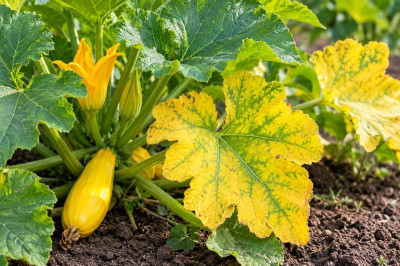
Squash plants are known for their large green leaves and fast growth. But what happens when those healthy leaves start turning yellow?
Yellow leaves can be a warning sign that something is wrong. Your plant may be getting too much water, not enough nutrients, or dealing with pests.
Sometimes, yellow leaves are just part of the plant’s natural growth. However, if many leaves change color at once, it is worth taking a closer look.
Why Are My Squash Plants Turning Yellow?
There are several reasons why squash leaves turn yellow. Some problems are easy to fix, while others may need more attention.
Here are 10 common causes and simple ways to help your plants recover.
1. Too Much Water
Squash plants need water to grow, but too much can cause problems.
When the soil stays wet for too long, the roots may not get enough air. This makes it harder for them to take in water and nutrients.
As a result, the leaves may turn yellow and begin to wilt.
Signs of overwatering:
- Leaves turning yellow.
- Soil that stays wet for several days.
- Wilting even though the soil is wet.
- Slow or weak plant growth.
How to fix it:
Check the soil before watering. Push your finger about 2 inches into the ground. If the soil still feels wet, wait before watering again.
Also, make sure water can drain away from the roots. Avoid growing squash in areas where water collects after rain.
2. Not Enough Water
Squash plants have large leaves that lose water quickly, especially during hot weather.
If the soil becomes too dry, the plant may struggle to stay healthy. Its leaves may droop, turn yellow, and eventually dry out.
How to fix it:
Water deeply so the moisture reaches the roots. Most squash plants need about 1 to 2 inches of water each week, including rain.
However, they may need more water during very hot or dry weather. Sandy soil may also need watering more often.
Check the soil often and water when it begins to dry out. Keep the soil moist, but not soggy.
Water near the base of the plant instead of soaking the leaves. Mulch can also help the soil retain moisture longer.
3. Not Enough Nitrogen
Nitrogen helps plants grow strong, green leaves.
When squash plants do not get enough nitrogen, their older leaves often turn pale green or yellow first.
The yellowing may slowly spread to other leaves. The plant may also grow more slowly than normal.
How to fix it:
Feed your squash plants with a balanced vegetable fertilizer if they need more nutrients. You can also add finished compost to improve the soil over time.
Avoid using too much fertilizer, especially nitrogen. Too much can lead to lots of leaves but fewer fruits.
A soil test is the best way to know which nutrients your garden needs.
4. Squash Bugs
Squash bugs are common pests that feed on squash plants.
They use their mouthparts to suck sap from the leaves and stems.
As they feed, they can cause yellow spots that later turn brown. Heavy feeding may cause leaves to wilt and die.
According to the University of Minnesota Extension [1], young squash plants are more likely to suffer serious damage from these pests.
How to fix it:
Check under the leaves for clusters of bronze-colored eggs. You may also see gray or brown adult bugs.
Scrape off the eggs and crush them. You can also remove adult bugs by hand and drop them into a bucket of soapy water.
Check your plants often, especially early in the growing season.
5. Squash Vine Borers
Squash vine borers are insects whose young tunnel inside squash stems. As they feed, they damage the stem and block water flow.
This often causes a squash plant to wilt suddenly. Leaves may later turn yellow and die.
The University of Minnesota Extension [2] notes that wilting is often the first sign of squash vine borer damage.
How to fix it:
Look near the base of the stem for small holes and sawdust-like waste.
If you find a borer inside the stem, carefully cut a small opening along the stem and remove or kill the insect.
Cover the cut area with moist soil. If possible, also cover a healthy part of the stem farther along the vine.
Some squash plants can grow new roots where their stems touch moist soil. However, badly damaged plants may not recover.
Squash vine borers are more common in some growing regions than others.
6. Downy Mildew
Downy mildew can affect squash leaves.
It often begins as pale green or yellow patches. These patches may later turn brown as the disease spreads.
You may also notice dark, fuzzy growth underneath the leaves, especially during humid weather.
According to Penn State Extension [3], downy mildew can spread through the air and cause leaves to die quickly.
How to fix it:
Check your squash leaves often for yellow patches that later turn brown.
Give plants enough space for good airflow. Water near the roots instead of wetting the leaves.
These steps support overall plant health, but they may not prevent downy mildew.
If the disease appears, ask your local extension office about treatments approved for squash in your area.
Downy mildew can spread quickly, so act early.
7. Spider Mites
Spider mites are tiny pests that feed on plant leaves. They are often a problem during hot, dry weather.
Their feeding causes small, pale dots on the leaves. When many mites are present, the leaves may look yellow or bronze.
You might also notice fine webbing under the leaves.
How to fix it:
Look closely at the undersides of the leaves.
Spray affected leaves with water to help knock mites off. Do this early enough for the leaves to dry.
If mites are still present, an insecticidal soap labeled for spider mites and edible crops may help.
Spray only as directed on the label. The soap must reach the mites to work, and you may need more than one treatment.
Avoid spraying during very hot weather because some products can damage leaves.
8. Powdery Mildew
Powdery mildew is a common disease that affects squash plants.
It causes white, powder-like spots on the leaves. As the disease spreads, the leaves may turn yellow, dry out, and die.
Older leaves are often affected first.
According to the University of Minnesota Extension [4], powdery mildew may first appear as pale yellow spots before white powdery patches develop.
How to fix it:
Check your squash plants often for white patches on the leaves.
Give plants enough space so air can move between them.
Remove badly damaged leaves if only a few are affected. Avoid removing too many healthy leaves at once.
If the disease keeps spreading, use a treatment labeled for powdery mildew on squash. Follow the product instructions carefully.
Good plant care can help slow the disease, but it may not stop it completely.
9. Natural Aging
Not every yellow squash leaf means something is wrong.
As squash plants grow, their oldest leaves may turn yellow and die.
This often happens to leaves near the bottom of the plant. These older leaves may receive less sunlight as new growth develops above them.
How to fix it:
If only a few old leaves turn yellow and the rest of the plant looks healthy, you usually don’t need to worry.
Remove fully dead leaves with clean pruning shears. However, if many leaves turn yellow quickly, look for another cause.
10. Mosaic Viruses
Some plant viruses can cause squash leaves to turn yellow or grow in unusual shapes.
For example, mosaic viruses may cause yellow and green patches on the leaves. Leaves may also curl, twist, or grow smaller than normal.
Infected plants may grow slowly or produce fruits with unusual shapes.
According to the University of Minnesota Extension [5], there is no cure for a squash plant infected with a mosaic virus.
How to fix it:
Check your plants for yellow and green leaf patterns, curled leaves, and unusual growth.
If you think your squash plant has a virus, ask your local extension office to help identify the problem.
Remove plants with confirmed virus infections to help reduce the spread.
Keep weeds under control because some can carry plant viruses.
Aphids can also spread many squash viruses. However, killing aphids after they arrive may not stop the disease because they can spread a virus very quickly.
How to Tell What Is Causing Yellow Squash Leaves
The way your squash leaves turn yellow can help you find the problem.
Here are some common signs to look for:
- Older leaves turning yellow first: Your plant may need more nitrogen, or the leaves may be aging.
- Yellow leaves with wet soil: Too much water or poor drainage may be the problem.
- Yellow leaves with dry soil: Your plant may need more water.
- Yellow spots that turn brown: Check for squash bugs or leaf diseases.
- Yellow leaves with fine webbing: Spider mites may be feeding on the plant.
- White, powder-like patches: Powdery mildew may be the cause.
- Yellow patches with dark fuzz under the leaves: Downy mildew may be the cause.
- Yellow and green patterns: A plant virus may be the cause.
- Sudden wilting: Check the stems for squash vine borers.
These signs are clues, not proof of a problem. Check the whole plant before choosing a treatment.
How to Keep Squash Leaves Green and Healthy
Good garden care can help prevent many problems that cause yellow squash leaves.
Follow these simple tips:
- Water correctly: Keep the soil evenly moist, but never soggy.
- Feed when needed: Use compost and fertilizer based on your soil’s needs.
- Check for pests: Look under leaves for bugs, eggs, and webbing.
- Give plants space: Good airflow helps reduce some leaf diseases.
- Add mulch: A layer of straw or other organic mulch helps keep soil moisture steady.
- Provide sunlight: Most squash plants need at least 6 to 8 hours of direct sun each day.
- Check plants often: Finding problems early makes them easier to manage.
Remember, healthy squash plants can still lose a few older leaves. The goal is to keep the main plant growing well.
Can Yellow Squash Leaves Turn Green Again?
Sometimes, yes.
If a leaf has only just started turning pale because of a mild nutrient shortage, it may regain some green color once you correct the problem.
However, badly damaged, brown, or fully yellow leaves often won’t recover.
Instead of trying to save every old leaf, focus on helping the plant grow healthy new ones.
New green growth is often a good sign that your squash plant is recovering.
Takeaway
If you have been wondering why your squash plants have been turning yellow, the answer could be as simple as watering or as serious as pests or disease.
Start by checking the soil. Then look under the leaves and around the stems for signs of insects or damage.
Also, pay attention to which leaves are turning yellow. Older leaves may simply be aging, while yellowing across the whole plant can point to a bigger problem.
With proper watering, healthy soil, and regular care, you can help your squash plants stay strong and produce a good harvest.

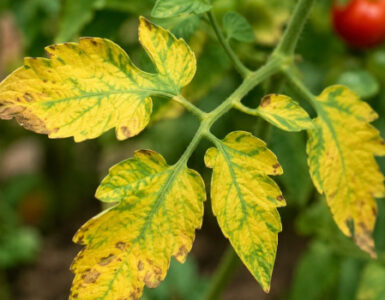





[…] on plant sap. Their feeding first causes small pale spots on the leaves. As the damage gets worse, squash leaves may turn yellow or brown, wilt, and die. Young or weak plants may stop growing or die […]