

 Sasha Campbell
Starting a garden feels exciting. You plant a few seeds and picture fresh tomatoes, crisp lettuce, and bright flowers. Then some seeds fail to sprout. Leaves turn yellow. Bugs chew holes in your plants.
Does this mean you are bad at gardening? No. Even skilled gardeners lose plants and make mistakes.
Many beginner gardening mistakes come from giving plants too much care, too little care, or the wrong growing space. Small changes can help you get better results.
Here are 12 common mistakes and simple ways to fix them.
Garden Planning Mistakes
A healthy garden starts with a simple plan. Before buying seeds, think about your space, sunlight, and local weather.
1. Starting With a Garden That Is Too Big
It is tempting to grow every crop you love. But a large garden needs time for watering, weeding, planting, and picking.
Start with a few pots or one small bed. Choose three or four crops your family enjoys eating. Learn how to care for those before adding more.
A small garden is easier to check each day. It also lets you learn without spending too much money on seeds and tools.
2. Choosing a Spot Without Enough Sun
An empty corner may seem like a great spot for a garden. But if it stays shady, some crops will struggle.
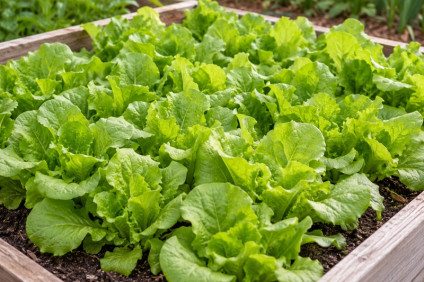
Leafy crops, such as lettuce and spinach, can handle some shade. They still need several hours of sun to grow well [1].
Watch your chosen spot at different times of day. Trees, walls, and fences may block more light than you think. Choose plants that suit the light you have.
3. Planting at the Wrong Time
A warm day does not always mean it is time to plant. Cold nights may still harm crops that need warmth.
Some vegetables prefer cool weather. Others need warm soil and warm air. Lettuce may struggle in strong heat, while bean seeds can rot in cold, wet soil.
Check a planting guide for your area. Read the seed packet, too. In warm climates, think about rainy and dry seasons as well as heat.
The right planting time gives your crops a better start.
Soil, Watering, and Container Mistakes
Roots need air, water, and enough room to grow. Problems below the soil can affect the whole plant.
4. Ignoring the Soil
Plants need more than a hole in the ground. Their roots need loose soil that lets water drain.
Hard, packed soil can limit root growth. If water sits on top for hours after rain, the soil may not drain well [2].
A soil test can help you find out which nutrients your soil needs. Nutrients are substances plants need to grow. The test can also check soil pH, which shows how acidic or alkaline the soil is.
Add compost when needed. Use compost that has fully broken down. It should look dark and crumbly, with an earthy smell.
5. Watering Too Much or Too Little
Watering every day may feel helpful, but not all plants need the same amount.
Too much water can leave roots short of air. Too little can slow growth and dry out plants.
Push your finger an inch or two into the soil. For many garden vegetables, dry soil at that depth means it’s time to water. If it feels moist, check again later.
Keep the soil around newly planted seeds moist, but not soggy. Water larger plants slowly so moisture reaches their roots. A quick splash may only wet the surface [3].
Adjust watering for rain, heat, and plant size.
6. Using the Wrong Pots or Soil Mix
A tiny pot may hold a young plant, but its roots can run out of room as it grows.
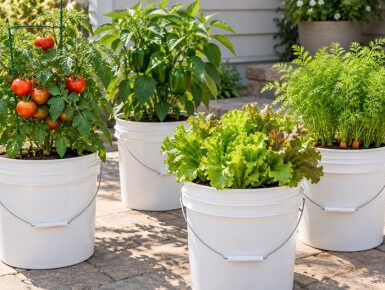
Choose a pot with enough space for the fully grown plant. Regular pots need drainage holes so extra water can escape.
Use a potting mix made for containers. Garden soil often packs down in pots and leaves less air around roots [1].
Check pots often in hot weather. They can dry out faster than garden beds, especially when plants grow large. Some may need watering each day.
Planting and Feeding Mistakes
Seeds need the right planting depth. Growing plants also need space and the right amount of nutrients.
7. Planting Seeds Too Deep
Planting seeds too deep can stop them from sprouting above the soil. Small seeds may run out of stored energy before their shoots reach the surface.
Follow the planting depth on the packet. Some seeds need a thin layer of soil. Others need more cover. Some need light to sprout, so the packet may tell you to leave them on the surface [4].
Water gently so seeds do not wash away. Label each row or pot to remember what you planted.
8. Crowding Plants Together
Young plants look small, so it is easy to place them too close together. Later, their leaves and roots compete for light, water, and space.
Thick growth can also stop air from moving freely between plants. This can help some diseases spread [5].
Follow the spacing guide on the seed packet or plant label. If seedlings grow too close together, remove some to give the others room. Snip off extra seedlings at soil level to avoid disturbing nearby roots.
A few plants with enough room often grow better than many squeezed into one bed.
9. Adding Too Much Fertilizer
More fertilizer does not always mean more vegetables. Too much can harm roots.
Nitrogen helps plants grow leaves. Too much can make some crops grow lots of leaves but less fruit [6].
Use soil test results to guide feeding in garden beds. For pots, follow the fertilizer label. Check whether the potting mix already contains fertilizer.
Measure each dose. Do not guess or feed a sick plant before finding the cause. Fertilizer will not fix every yellow leaf.
Garden Care Mistakes
Regular checks help you spot small problems before they grow. A few minutes in the garden each day can make a difference.
10. Letting Weeds Take Over
Tiny weeds may seem harmless. But they grow quickly and compete with crops for water and nutrients.
Pull weeds while they are small, before they flower and make seeds.
Mulch is a layer of material spread over the soil. Clean straw can help slow weeds and keep the soil moist. Choose straw with few weed seeds, and leave a small gap around plant stems [7].
A little weeding now can save a bigger job later.
11. Spraying Before Finding the Problem
A hole in a leaf does not tell you which pest caused it. A yellow leaf does not always mean disease.
Look under leaves and along stems. Check the soil moisture and note which parts look damaged.
Identify the problem before choosing a treatment. Some insects help your garden by eating pests. A few damaged leaves may not need treatment at all.
Even natural sprays can harm helpful insects. Choose a treatment only when needed, and follow the label.
12. Giving Up After One Bad Harvest
One failed crop does not mean your whole garden has failed. Heat, heavy rain, pests, and poor seeds can affect any gardener.
Keep a simple notebook. Write down planting dates, problems, and crops that grew well.
When trying a new growing method, change one thing at a time. This helps you see what works. You may need a sunnier spot or a better planting date.
Keep Learning as Your Garden Grows
Gardening takes practice. Start small, watch your plants, and keep learning. Use each mistake to improve how you care for your garden. Each season gives you another chance to grow.




Add comment