

 Sasha Campbell
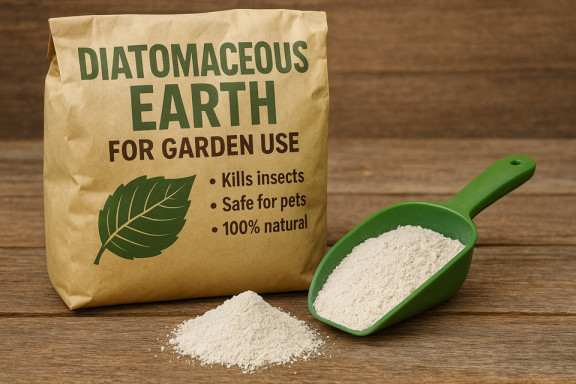
Diatomaceous Earth (DE) has become a natural insecticide in organic pest control. Its unique properties make it effective against a variety of insect pests.
This article delves into DE. It highlights its effectiveness and the variety of pests it controls, showcasing its benefits in pest management.
What is Diatomaceous Earth (DE)?
Diatomaceous earth is a type of sedimentary rock. It can be crushed into a fine powder [1].
When insects come into contact with DE, the microscopic particles absorb the waxes and oils from their outer coating. Without this protective layer, insects lose moisture and eventually die from dehydration.
Effectiveness
Diatomaceous earth is an excellent insecticide for insects with exoskeletons. It targets ants, bedbugs, cockroaches, and fleas.
However, several factors can impact the efficacy of DE.
For instance, DE must be applied as a dry powder to be effective. Wetting DE can reduce its insecticidal properties.
High humidity can reduce the effectiveness of diatomaceous earth. When it is moist, its drying ability decreases [2].
In addition, longer exposure increases the likelihood that DE will affect insects. Pests that spend more time in treated areas are more susceptible.
Pests Controlled by Diatomaceous Earth
DE is effective against a wide range of indoor and outdoor pests. Many organic gardeners turn to this product for pest control.
Below is a list of insects and related pests that diatomaceous earth can help control.
- Bed bugs
- Cockroaches
- Fleas
- Ticks
- Spiders (may help reduce some species when they contact treated areas)
- Confused flour beetles
- Mealybugs
- Boxelder bugs
- Thrips
- Camel crickets
- Centipedes (effectiveness may vary)
- Ants
- Silverfish
- Earwigs
- Carpet beetles
- Pantry beetles
- Grain beetles
- Sow bugs
- Pill bugs
- Slugs (results are often limited, especially in wet conditions)
If you don’t see what you are looking for on the list above, don’t worry. We have an article that highlights more pests that diatomaceous earth can kill.
How to Use Diatomaceous Earth for Pest Control
To get the best results from diatomaceous earth, follow these application methods:
Choose the Correct Type of DE
Use food-grade diatomaceous earth for pest control in homes, gardens, and around pets.
However, avoid pool-grade DE. It is heat-treated for use in pool filtration systems. This process increases crystalline silica levels, making it unsafe for use in pest control.
Indoor Use
Lightly dust in cracks, crevices, and along baseboards where pests hide. For cockroach and ant control, apply it under furniture, in cabinets, and behind appliances.
Outdoor Use
Sprinkle DE around your home’s foundation to deter crawling insects.
You can also apply a thin layer around or sprinkle it directly on plants for pest control. However, you will have to reapply DE after it rains.
Treating Pet Areas
Some people use food-grade DE on pet fur for flea control. However, many veterinarians recommend caution because inhaling the dust may irritate the lungs.
Consult your veterinarian before applying DE directly to pets.
Safety Precautions
Although food-grade DE is considered relatively safe, avoid inhaling the dust during application.
Wear a dust mask when spreading large amounts. Prolonged inhalation may irritate the lungs and respiratory tract.
Also, keep children and pets away until the dust settles.
How Long Does Diatomaceous Earth Take to Kill Insects?
Diatomaceous earth (DE) can take a few hours to several days to kill insects. This depends on the type of insect and the amount of DE it comes into contact with.
- Smaller insects (ants, fleas, lice, aphids, etc.) may die within 12 to 48 hours of contact.
- Larger insects like cockroaches, bed bugs, and beetles can take a few days to two weeks to die. This timing depends on how much they are exposed and the conditions around them. In some cases, complete population control may take longer.
DE works, but the process is not instant. Once an insect walks through it, the clock starts ticking.
Diatomaceous Earth vs Other Natural Pest Control Methods
Diatomaceous earth is one of many natural pest control solutions. To determine if it’s the best fit for your needs, let’s compare it to other popular methods:
- Neem oil repels and kills soft-bodied pests. This includes aphids, young cockroaches, caterpillars, and whiteflies. However, it requires frequent reapplication.
- Essential oils like peppermint, lavender, and eucalyptus deter insects but do not kill them. They work best as part of a repellent strategy.
- Beneficial insects like ladybugs, lacewings, and parasitic wasps help control pests naturally. This method is effective, but it takes time to attract predatory insects. You also need a good garden setup.
- Companion Planting: Plants like marigolds, basil, and garlic can help deter pests. However, it might not entirely stop an ongoing infestation.
DE provides direct insect control by killing pests that come into contact with it. This gives it an advantage over many natural repellents. However, it works more slowly than some methods, such as neem oil or insecticidal soap.
So, it helps with long-term pest management, especially in dry places where it works well.
Frequently Asked Questions
Does diatomaceous earth kill insects?
Yes. It kills many insects by damaging their protective outer coating and causing dehydration.
What bugs does diatomaceous earth kill?
It can help control ants, bed bugs, cockroaches, fleas, ticks, silverfish, and many other crawling pests.
How long does diatomaceous earth take to work?
Some insects die within 12 to 48 hours, while others may take several days.
Does diatomaceous earth work when wet?
No. Diatomaceous earth only works when dry. Moisture reduces its ability to absorb oils, limiting its effectiveness.
Is food-grade diatomaceous earth safe around pets?
Generally, yes. However, avoid letting pets inhale the dust.
Consult a veterinarian before direct use on pets.
Can diatomaceous earth kill bed bugs?
Yes. It helps kill bed bugs by dehydrating them when they walk through it.
Does diatomaceous earth kill ants?
Yes. Ants that crawl through DE can be affected and eventually die.
How often should I apply diatomaceous earth?
Reapply after rain, cleaning, or when the powder is disturbed.
Can I use diatomaceous earth in my vegetable garden?
Yes. Food-grade DE is commonly used around vegetables and other garden plants.
Will diatomaceous earth harm beneficial insects?
Yes. It can affect beneficial insects if they come into contact with the powder.
What is the difference between food-grade and pool-grade DE?
Food-grade DE is used for pest control. Pool-grade DE is meant for filtration and should not be used around people, pets, or plants.
Takeaway
Diatomaceous Earth (insect dust) is a natural solution for many insect pests.
It works by dehydrating many crawling insects that come into contact with it. This feature makes it a reliable option for natural pest control.
However, factors like humidity and application affect its success. For best results, use it in dry environments.
Diatomaceous earth insecticide can be a valuable remedy in organic pest control when applied correctly.




[…] Diatomaceous earth damages the protective outer layer of a cockroach. This causes the insect to lose moisture and die. […]