

 Sasha Campbell
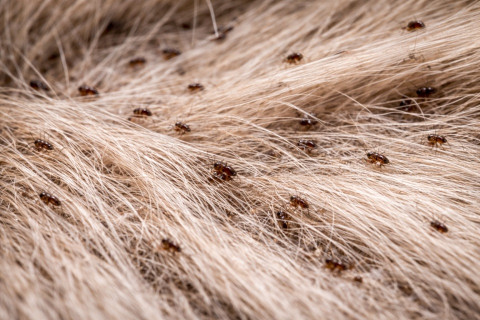
If you’re like most pet owners, you’ll do just about anything to keep your furry friends safe and healthy. And that includes getting rid of pesky fleas.
Many commercial flea treatments work well, but they can be expensive.
If you’re looking for an alternative to conventional flea treatments, you’re in luck. This post shares some simple, all-natural ways to treat fleas.
However, please note that natural remedies may help with mild flea problems, but severe infestations may require veterinary care or prescription treatments.
How to Get Rid of Fleas Naturally
Below are some of the best home remedies and natural control methods that you can try.
1. Dish Soap
You’ve probably heard that dish soap can help remove fleas, and it can. It works by trapping and drowning adult fleas during bathing, but it does not prevent future infestations.
Mix a small amount of dish soap (Dawn dish soap works well) with warm water. Wet your pet’s coat first, then gently work the soapy water into the fur.
A general recipe is to mix one part liquid soap with three parts water, but you can adjust it depending on the severity of the infestation.
Next, gently work the soapy water through your pet’s coat, making sure the suds reach the skin beneath the fur.
Dish soap can temporarily trap and drown fleas. But avoid using dish soap too often, as it may dry out your pet’s skin.
Finally, rinse it off.
2. Baking Soda
You can also use baking soda on fleas in your home. Sprinkle it on your carpets, let it sit for a few hours, and then suck it up with the vacuum.
Some people use baking soda to help dry out flea eggs and freshen carpets, though scientific evidence for its effectiveness against fleas is limited.
3. Diatomaceous Earth (DE)
DE can help control fleas by damaging their outer coating and drying them out.
When fleas crawl through it, it sticks to their bodies. It damages the flea’s protective outer layer, causing it to lose moisture and eventually die.
You can find diatomaceous earth at a gardening store or online. Make sure it’s food-grade if you’re buying it to get rid of fleas in your house.
Do not apply diatomaceous earth directly to your pet unless your veterinarian recommends it. Also, avoid inhaling DE dust and keep pets away during application.
4. Salt
Sprinkle salt lightly over carpets and furniture, leave it for about 24 hours, and then vacuum thoroughly. Salt may help dry out flea eggs and larvae, especially when used together with regular vacuuming.
5. Rosemary Water
Some pet owners use rosemary water as a DIY flea rinse for dogs. You only need a handful of fresh rosemary leaves, which you can crush and add to a warm bath.
Use enough rosemary leaves to create a strong herbal rinse. Allow the rosemary water to cool before applying it to your dog’s coat.
6. Repellent Plants
There are several plants that may help repel fleas naturally.
Plants such as lemongrass and peppermint may help discourage fleas because of their strong scent. You can also grow these plants around your yard or near outdoor sitting areas.
To make a homemade flea spray, add eight drops of lemongrass oil to 16 ounces of water.
Lavender is another excellent plant for repelling fleas. It’s a pretty plant with a sweet smell and one of the best for keeping away certain pests.
Other popular repellent plants include basil, sage, mint, catnip, citronella, and chamomile.
But keep pets from chewing heavily on certain plants, as some herbs and essential oils may be irritating or toxic in large amounts.
7. Essential Oils
Some essential oils may help repel fleas, but research on their effectiveness is limited.
Many essential oils can also be toxic to pets—especially cats. Always dilute oils properly and consult your veterinarian before applying them to your pet’s skin or fur.
Commonly used flea-repelling oils include rosemary, cedarwood, lemongrass, clove, and peppermint.
Mix a few drops with a carrier oil, or follow the directions on the product label, before use.
If using essential oils on dogs, use only heavily diluted amounts and avoid the eyes, nose, and mouth. Avoid applying essential oils directly to cats unless a veterinarian approves it.
You can also make a gentle flea repellent for humans.
Combine 5 drops of thyme or myrtle oil with a cup of carrier oil, then apply it to your skin. However, always patch-test diluted essential oils on a small area of skin first.
Some people also use diluted rosemary oil in homemade personal repellents. It is commonly used in hair growth oils as well.
8. Lemon Spray
Mix equal parts lemon juice and water in a spray bottle. Then, give it a good shake. You’re ready to start spraying.
Some people lightly spray diluted lemon water on dogs as a homemade flea repellent, although it may irritate sensitive skin.
Avoid using citrus sprays on cats unless approved by your veterinarian. Also, test a small area of your dog’s skin first to make sure it does not cause irritation.
You can use lemons to make a natural flea deterrent for the house.
Cut a lemon into thin slices and add them to a pint of water. Bring it to a boil, then turn off the heat.
Finally, let it sit for about 12 hours before spraying your sofas, pet bedding, and other areas of your home.
9. Coconut Oil
Some pet owners use coconut oil to help soothe skin and possibly help discourage fleas. Apply a small amount to your pet’s coat or dry skin and rub it in gently.
10. Vacuuming
Since fleas and their eggs can slip into crevices and small spaces, it is essential to vacuum several times a week during active infestations.
Vacuum all the nooks and crannies—including under furniture, chairs, beds, and the room’s corners.
Also, throw away the vacuum cleaner bag or empty the canister immediately after vacuuming to prevent the fleas from reinfesting your home.
Vacuuming frequently is one of the most effective ways to reduce flea eggs indoors.
11. Clean the House Thoroughly
The first step in getting rid of a flea infestation is cleaning your house as thoroughly as possible. Vacuum and sweep every nook and cranny.
It’s also important to wash your pet’s bedding and toys and bathe your pet with a veterinarian-approved flea shampoo if needed.
You might also want to try using a steam cleaner to kill any adult or larval fleas and eggs hiding deep within the carpet.
12. Get Rid of Damp Areas
Fleas prefer shady, damp outdoor areas. Therefore, remove excess mulch, twigs, and dead leaves from your garden and allow as much sunlight as possible to enter.
You can also use a dehumidifier to eliminate moisture from areas inside your home.
13. Flea Comb
A flea comb is one of the best tools for removing fleas naturally. Dip the comb in soapy water, then run it through the pet’s fur.
A flea comb helps remove adult fleas and flea dirt from your pet’s coat.
14. Apple Cider Vinegar
Some pet owners use apple cider vinegar as a natural flea repellent. However, there is little scientific evidence that it keeps fleas away.
To give it a try, add 2 tablespoons of ACV to each quart of water, then mist your pet’s coat with the mixture. Avoid getting the mixture in your pet’s eyes.
15. Beneficial Nematodes
These tiny creatures are microscopic roundworms that can be used to control certain pests, including fleas [1].
Beneficial nematodes are available online or at most garden stores and are easy to apply. Mix them with water and spray them on the areas where you see fleas.
The nematodes enter the soil and help reduce flea larvae before they become adults. Apply them to moist soil during the cooler parts of the day for best results.
16. Boric Acid
Boric acid works by dehydrating flea larvae when they come into contact with it. Therefore, sprinkle some on carpeted areas and brush it in.
Leave it for a few days before vacuuming it up. Still, keep pets and children away from treated areas until the powder has been vacuumed up.
Avoid applying boric acid directly to pets.
17. Mow the Lawn
Fleas will hide in tall grass, where they can easily find a host. So, by keeping your lawn mowed short, you’re making it less hospitable for fleas.
18. Dr. Earth Final Stop Pest Control Killer Spray
This organic spray is made with essential oils. It is designed to help kill fleas and other pests on contact.
Use it around your home and garden. However, always follow the label directions and avoid spraying sensitive plants unless the label says it is safe to do so.
19. Enoz® Trap-N-Kill® Flea Trap
The Enoz Flea Trap is a safe and effective way to trap fleas. Simply plug it in. The light and warmth attract fleas to a sticky glue board, where they become trapped. Replace the glue board when it is full.
Takeaway
Natural remedies can help reduce flea numbers, especially when combined with regular vacuuming, washing pet bedding, and using a flea comb.
Because flea eggs, larvae, pupae, and adults live in different places, using more than one control method usually gives the best results.
If the infestation is severe or keeps coming back, contact your veterinarian for treatments that can completely break the flea life cycle.




Add comment