

 Sasha Campbell
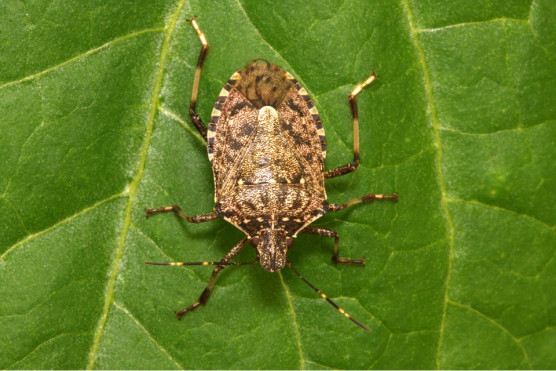
Stink bugs can be a nuisance in your home and garden. Some feed on tomatoes, peppers, beans, and fruit. Their feeding may leave pale spots or cause fruit to grow out of shape.
Other stink bugs eat garden pests, such as caterpillars. Before you spray, identify the bug and check for plant damage. You do not need to remove every stink bug you see.
Some natural sprays for stink bugs may help protect plants or control young bugs. However, many homemade mixtures have little proof behind them. Natural products can also harm plants or helpful insects if used the wrong way.
Here is what to know before choosing a stink bug spray.
Natural Sprays That May Help Control Stink Bugs
The following options may help reduce stink bug damage or control some young bugs. Results can vary, and adults are often harder to control.
Before spraying, read the product label. Check that it allows use on your plant and in the place you want to treat.
Follow any rules about hot weather, flowers, and harvest time. Avoid spraying bees or other helpful insects.
1. Kaolin Clay Spray
Kaolin clay is a fine powder that leaves a thin white coating on plants.
It may discourage stink bugs from feeding and help reduce crop damage. It does not kill bugs on contact [1].
Choose a kaolin product made for garden pest control, such as Surround WP. Do not use craft clay as a substitute.
Follow the label for mixing and coverage. Rain and new growth may leave parts of the plant without enough coating. Check your plants and repeat treatment as directed.
2. Neem Products
Neem products may help control young stink bugs. They are less useful against adults, so they may not solve a large stink bug problem on their own [1].
Neem products differ in their ingredients and strength. Follow the directions for the exact product you buy rather than using a general homemade recipe.
Do not assume a neem spray made for plants is suitable for walls, windows, or other household surfaces.
3. Insecticidal Soap
Insecticidal soap may help control young stink bugs when sprayed directly on them. It does not leave a lasting barrier that keeps new bugs away.
Use a commercial garden product and follow its label. Insecticidal soap is different from liquid dish soap.
Homemade dish-soap sprays can burn leaves. Choosing a soap called “gentle” does not mean it is safe for plants [2].
4. Arber Bio-Insecticide
Arber lists stink bugs among the pests its Bio-Insecticide controls. However, a listed pest does not mean the product will remove every bug after one spray [3].
Check the label on your bottle for suitable plants and uses. Follow its directions for mixing, spraying, and repeat treatments.
Check your plants afterward for bugs and fresh damage. This will help you see whether the treatment is helping.
5. AzaGuard
AzaGuard contains azadirachtin, a substance from neem seeds. It can affect insect feeding and growth. Stink bugs are included on an EPA-approved AzaGuard label [4].
Follow the label on the product you buy. Check the crop, mixing rate, and treatment timing before spraying.
AzaGuard is not the same as a neem oil spray. Use each product’s own directions.
Essential Oil Sprays: What the Research Shows
Some essential oils have repelled brown marmorated stink bugs in research tests. These include clove, lemongrass, and spearmint oils [5].
However, those tests do not prove that a homemade oil-and-water spray will keep stink bugs out of your home or protect your garden.
Recipes that call for a certain number of drops may not match the mixtures used in research. Oils also do not mix evenly with water on their own.
If you choose an essential-oil pest product, follow its label for where and how to use it. Do not rely on scent alone to keep stink bugs from entering your home.
Homemade Stink Bug Sprays to Avoid or Treat With Caution
Many household ingredients appear in homemade bug sprays. But an ingredient affecting some insects does not prove that a particular mixture works against stink bugs.
Citrus Spray
There is not enough evidence to recommend homemade lemon-oil sprays as reliable stink bug repellents.
A strong citrus smell does not show that a mixture will stop bugs from entering your home. Focus on closing gaps around windows, doors, and other entry points.
Garlic Spray
Garlic is often suggested as a garden pest repellent. However, there is little reliable evidence that homemade garlic sprays control stink bugs.
Do not rely on garlic spray to protect crops or keep bugs out of buildings. Check for plant damage and choose a better-supported method when needed.
Hot Pepper Spray
Capsaicin gives hot peppers their heat. This does not prove that a homemade pepper-flake spray will control stink bugs.
There is not enough evidence to recommend these mixtures as reliable stink bug treatments. Avoid using them as your main way to protect plants.
Diatomaceous Earth Spray
Diatomaceous earth, or DE, damages insects’ protective outer coating and causes them to lose water. It needs to be dry to work well [6].
Some products allow mixing with water, but the coating must dry before it works. This does not make a homemade DE spray a proven stink bug treatment.
If you use DE, choose a pest-control product and follow its label. Avoid breathing the dust. “Food grade” does not mean a product is suitable for every pest-control use.
Vinegar Spray
An equal-parts mixture of vinegar and water is not a proven stink bug killer or repellent.
Vinegar can also damage plant leaves. Avoid spraying it on garden crops as a stink bug treatment.
For bugs indoors, collect them, vacuum them up, or try a simple trap.
Rubbing Alcohol Spray
Rubbing alcohol is not a good choice for homemade stink bug control. Claims that diluted alcohol kills stink bugs almost instantly lack reliable support.
Alcohol is also flammable. EPA warns that using rubbing alcohol for bedbug control has caused house fires [7].
Avoid using rubbing alcohol as a household bug spray.
A Simple DIY Stink Bug Trap
For brown marmorated stink bugs already indoors, a light-and-water trap may help.
Place water and a few drops of dish soap in a foil roasting pan. Put the pan in a dark room where bugs are present, then point a light into it.
The light attracts bugs toward the pan, where they can fall into the soapy water. University pest-control guidance supports this method [8].
Keep the lamp and electrical cord away from the water. Place the trap where children and pets cannot reach it.
Using dish soap in a water trap is different from spraying it on plants. The trap catches bugs already indoors; it does not prevent more bugs from entering.
How to Help Keep Stink Bugs Out of Your Home
Sprays alone will not solve the problem if bugs can still enter through gaps.
Seal cracks around windows and doors. Repair damaged screens and check for gaps where pipes or wires enter the building.
Remove bugs you find indoors. A vacuum can help, although the bugs may leave an odor inside it. Empty the bag or container promptly and follow the vacuum maker’s cleaning directions.
Avoid crushing stink bugs, which can release their strong smell.
Takeaway
Some natural products may help protect plants or control young stink bugs. Many homemade sprays, however, have little proof behind them.
In the garden, identify the bug first and check for damage. Use a suitable product as its label directs. Indoors, seal gaps, remove bugs, and try a simple light-and-water trap.




Add comment