

 Sasha Campbell
It is frustrating when insect pests, like the leaf-footed bug, damage your garden. It may even set back your harvest.
Leaf-footed bugs are not considered dangerous, as they do not pose a threat to humans. However, an infestation or excessive numbers of these pests can damage your crops.
When pests are in your garden, you must find the best, safest ways to control them to protect your plants.
Don’t despair. There are many natural ways to get rid of these insects from your garden or house.
Leaf-Footed Bug Identification
Leaf-footed bugs (pomegranate bugs) cause damage similar to that of stink bugs [1].
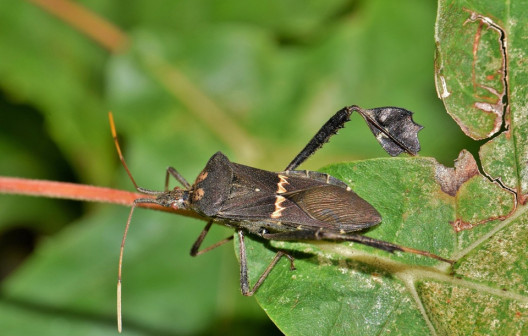
These plant bugs are noticeable because their hind legs look like tiny leaves. They use their piercing-sucking mouthparts to feed on the fruits and seeds of certain plants.
How to Get Rid of Leaf-Footed Bugs Naturally
If you’ve been looking for ways to control these bugs, here are 13 natural, organic ways to remove them from your garden.
1. Use Row Covers
Row covers have many uses in the garden, including controlling pests. However, it is best to use them at the start of your planting season before pests arrive.
Once the bugs are present, this may not be the best option, as they are already in your garden. Also, the material used should be lightweight and allow water to pass through.
A downside may be that it prevents beneficial bugs from reaching your plants.
2. Diatomaceous Earth
Diatomaceous earth is an excellent organic remedy for leaf-footed bug control. Use it in your garden or around the house to help keep dangerous bugs away.
You can sprinkle DE on or around your plants; the good news is that you don’t need to use it often. Just a little bit will help eradicate unwanted pests.
You do, however, need to reapply after any rain. It will help rid your yard and garden of these critters.
Moreover, it is also organic and natural, unlike Sevin Dust. Read more about how to use diatomaceous earth for pest control.
3. Neem Oil
You can buy neem oil concentrate. It primarily works on leaf-footed nymphs.
Alternatively, make a homemade leaf-footed bug spray by mixing two tablespoons of pure neem oil with a gallon of water. Spray it on both sides of the leaves.
4. Physically Remove Bugs
If you spend a lot of time in your garden, handpicking bugs is a good solution. So, take the time to look through the plants and at the backs of the leaves.
When you see a bug, pick it off and squeeze it between your gloved fingers. If that doesn’t sound pleasant, you can drop the bug into soapy water to suffocate it.
5. Clear Woodpiles and Winter Shelters
It is common to leave wood and debris around your yard and winter shelters. However, this can invite these creatures into your gardens.
They will look for warm places to go during the winter, and their survival means more eggs in the spring. More eggs mean more damage to your garden later.
6. Get Rid of Weeds
Weeds can also attract these bugs. Leaf-footed bugs will likely stick around to eat the leaves of your weeds, lay their eggs, and multiply.
However, they will die or move elsewhere if you do not provide them with food. Therefore, if you pull the weeds, it is less likely that these insects will stay.
7. Prune Your Trees
Leaf-footed bugs are attracted to the leaves of certain plants and fruit trees, such as tomatoes and pomegranates. As a result, it is essential to prune the branches on these trees to help keep these pests away.
Pruning your trees can also help you spot where pesky insects are hiding, so you can remove them.
8. Natural Predators
Not all bugs are pests. Some can help drive out the less desirable ones and even benefit your crops.
Some beneficial garden insects are wasps, tachinid flies, and assassin bugs. Know them and their eggs, and be sure to let them be. In return, they will help you naturally control harmful bugs.
Other predators of leaf-footed bugs include birds, frogs, spiders, lizards, and snakes. Moreover, bluebirds, wrens, and cardinals eat stink bugs [2], so I assume they’ll also eat leaf-footed bugs.
9. Trap Crop
A trap crop is a plant that attracts pests, diverting them from other plants they would otherwise damage. If you are growing a vegetable garden, add sunflowers nearby.
Sunflowers are a great trap crop for leaf-footed bugs. The critters love the seeds and may leave other plants alone to get to the sunflowers.
To get rid of the bugs, shake them out of the sunflowers, and afterward, step on or drop them into soapy water.
10. Remove the Eggs
Leaf-footed bugs tend to lay their golden-brown, cylindrical eggs in a row. You can find them under leaves or on stems.
You can physically pick the eggs off and either crush them or place them in hot, soapy water to kill them.
11. Use ECOWORKS
ECOWORKS is an excellent organic pesticide for the garden. Not only is it good for getting rid of many insect pests, but it is also great for treating fungus.
The ingredient list features Azadirachtin as a key component. It kills pests immediately upon contact.
Depending on how you would like to apply it, follow the instructions on the container when using it in your garden.
12. Azera
Another excellent natural insecticide to use against this menace is Azera. The product uses extracts from neem trees and daisies, both proven effective against many garden pests.
Therefore, this organic insecticide will likely kill leaf-footed bugs and other Leptoglossus species.
13. Kaolin Clay
Kaolin clay is a natural crop protectant. When sprayed on plants, it forms a barrier that keeps insect pests away and protects your plants.
While it can be used for most crops, it is particularly effective on fruit trees, grapevines, and garden plants such as cucumbers and tomatoes.
Related: How to Get Rid of Stink Bugs (Home Remedies and More)
Takeaway
Pests are not fun or welcome in your garden, especially leaf-footed bugs.
Fortunately, there are many organic methods to get rid of bugs. These remedies will help ensure your garden thrives and remains free of harmful bugs.



Add comment