

 Sasha Campbell
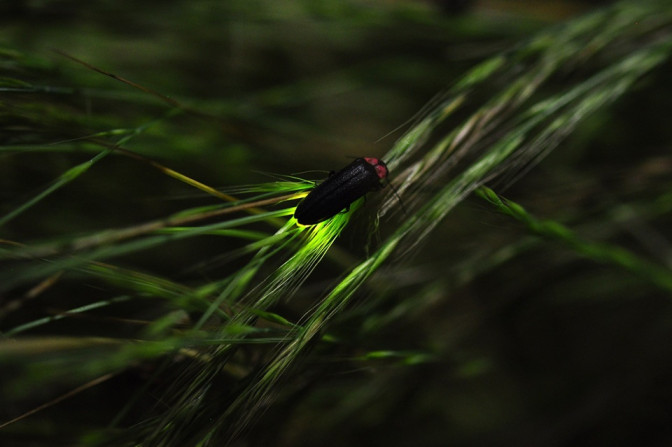
Fireflies, also called lightning bugs, flicker their lights on and off, making them truly enchanting.
However, these fascinating insects are more than just nature’s light show. They’re also helpful garden companions.
Sadly, many firefly species are declining in different parts of the world. Scientists believe that habitat loss, pesticide use, light pollution, and climate change are among the reasons for these declines [1].
This article highlights the benefits of fireflies (lightning bugs), why firefly populations are declining, and how to attract fireflies naturally to your yard or garden.
The Beauty and Wonder of Fireflies
Fireflies belong to the family Lampyridae. Their glowing light—called bioluminescence—is one of nature’s most fascinating features.
They produce light through a chemical reaction in their lower abdomen [2].
The result is a soft, mesmerizing glow. Fireflies use this light to attract mates and communicate with each other.
Each species also has its own distinct flash pattern. It’s almost like a secret language in the night sky.
Fireflies bring back childhood memories for many. People recall chasing their glowing lights or catching them in jars.
Firefly Garden Benefits
But beyond nostalgia, fireflies play a vital role in the environment.
Pest Controllers
Firefly larvae are natural pest controllers. Some species are called glowworms because their larvae can glow.
These tiny predators feed on slugs, snails, worms, and other small, soft-bodied creatures. They live in damp soil and leaf litter, quietly hunting their prey.
Healthy Ecosystem
Fireflies can be a sign that a yard provides some of the things they need, such as moisture, shelter, and a safe place to live. When they are abundant, it often means the area is suitable for them to survive and reproduce.
Flower Visitors
Some adult fireflies feed on nectar, pollen, or small insects. While they are not major pollinators, they may occasionally move pollen between flowers.
This gives your garden a small extra benefit.
Add Beauty to Your Yard
There’s no denying that fireflies bring natural beauty to your home. Their glowing lights create a warm, inviting atmosphere that enhances your yard’s appearance.
Seeing fireflies blink and glow among your plants adds a magical touch to your outdoor space.
Food Source for Wildlife
Fireflies are part of the food web and may serve as prey for some birds, spiders, frogs, and other wildlife. Supporting fireflies also helps support the broader ecosystem.
How to Attract Fireflies Naturally
Because fireflies face threats such as habitat loss, pesticides, and light pollution, creating a welcoming space can help support their survival [3].
1. Create the Right Habitat
Many fireflies prefer areas with moist soil, shade, and natural vegetation.
Their larvae need damp soil to survive and find food. This is why fireflies are often found near woodlands, meadows, streams, ponds, and other moist areas.
To attract them, consider leaving some parts of your garden less disturbed.
Avoid cutting grass too short. Also, allow patches of tall grass, wildflowers, or native plants to grow. These areas provide cover and protection for both adult fireflies and their larvae.
Leaf litter, rotting logs, and mulch also provide excellent habitats. Instead of raking every fallen leaf, allow some to stay on the ground under shrubs or trees. This creates the perfect hiding place for firefly larvae while also improving soil health.
2. Eliminate Pesticide Use
It’s also best to avoid using pesticides or herbicides in your garden.
These products may harm fireflies directly or reduce the number of small creatures their larvae eat. Instead, consider natural pest control methods.
For example, encourage beneficial insects. Handpick pests when practical. Also, use physical barriers, like floating row covers, when needed.
3. Keep It Dark At Night
Fireflies use darkness to communicate and find mates [4].
Artificial lighting confuses them. Lights like bright porch lights, garden spotlights, and even nearby streetlights can disrupt their communication.
Therefore, to help them, turn off unnecessary lights after sunset. You can also use fewer exterior lights.
4. Choose Firefly-Friendly Plants
Planting native plants can help create a yard where fireflies are more likely to live.
Fireflies often do well in areas rich in native plants, trees, and shrubs. These provide important shelter and support a variety of small creatures that help create a healthy habitat for fireflies.
Planting a variety of native grasses, ferns, and flowers can help create an ideal environment for them.
Native flowering plants such as black-eyed Susans, asters, monarda, cardinal flowers, and goldenrods help create a diverse habitat that supports insects and other wildlife.
Moreover, tall plants and shrubs provide resting spots during the day. Shaded areas also help keep the soil cool and damp.
5. Limit Lawn Chemicals and Excess Mowing
Many people love the look of a perfectly manicured lawn. However, frequent mowing and heavy use of lawn chemicals can make it harder for fireflies to survive.
Their larvae need moist soil, leaf litter, and organic debris where they can find food and grow. Therefore, mowing less often can give them a better chance to thrive.
Takeaway
Many gardeners enjoy welcoming fireflies, also called lightning bugs. They add beauty and are a valuable part of a healthy backyard ecosystem.
Creating a garden or yard that welcomes fireflies is more than just enjoying their beauty. It’s about creating a healthier space for fireflies and other helpful wildlife.
Every little change you make supports the survival of these glowing insects. For example, turn off outdoor lights and avoid pesticides.
By providing suitable habitat, reducing light pollution, and avoiding pesticides, you can help ensure that future generations continue to enjoy the magical glow of fireflies.




Add comment