

 Sasha Campbell
There is a wide variety of melons out there. Among the most popular kinds are cantaloupes, watermelons, and honeydew.
Melons belong to the Cucurbitaceae family, thereby making them relatives of cucumbers and squash.
Before heading to the farmers’ market, get to know the different melon types. Listed below are some of the most common and best-tasting melon varieties (with pictures).
1. Canary Melon
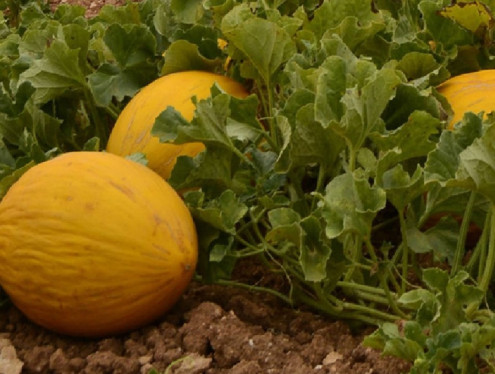
Photo: Meló d’or d’Ontinyent by Kelsang Gabinet de premsa de l’Ajuntament d’Ontinyent, CC BY-SA 3.0, on Wikimedia Commons.
The canary melon has a golden-yellow rind with green to salmon-colored flesh. Moreover, it can grow up to 15 pounds and is deliciously sweet.
Purchase canary melon seeds online.
2. Banana Melon
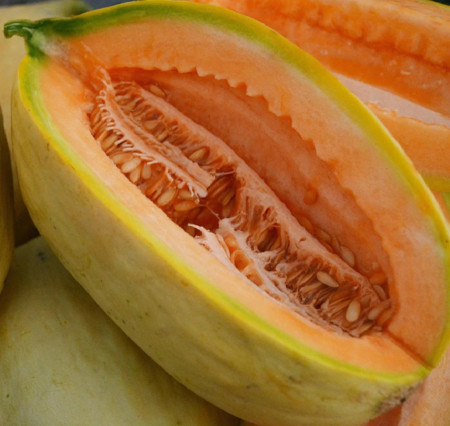
The banana melon is sweet, has salmon-colored flesh with a yellow rind, and grows up to 8 pounds. It takes approximately 90 days to mature.
Purchase banana melon seeds online.
3. Honeydew
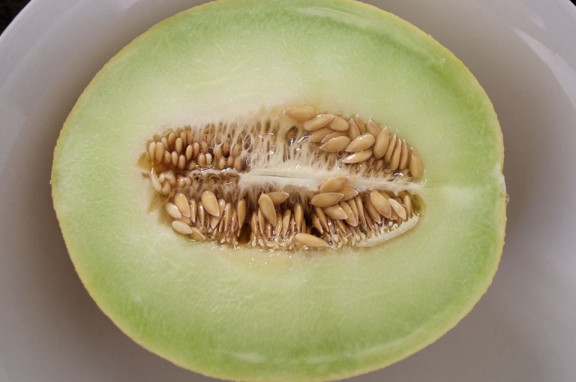
Honeydew, also known as the honey melon, is typically light green or brown, with a white, yellow, green, or orange interior.
It grows best in hot climates and takes 65 to 100 days to mature, depending on growing conditions.
Buy honeydew seeds online.
4. Hales Best Jumbo
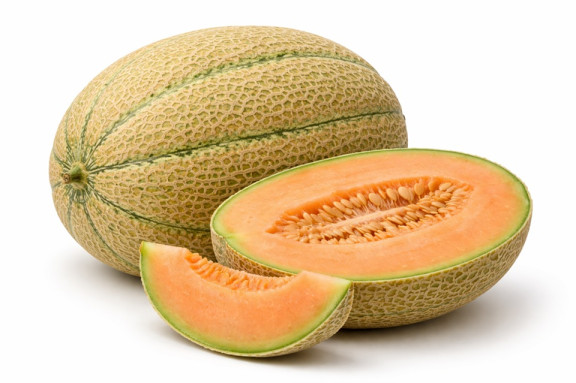
This cantaloupe variety is oval-shaped and has beautiful, deep green skin with golden netting. Plus, it has excellent flavor and is sweet-tasting.
It prefers full sun and takes about 85 days to mature.
Buy hales best jumbo seeds online.
5. Hearts of Gold
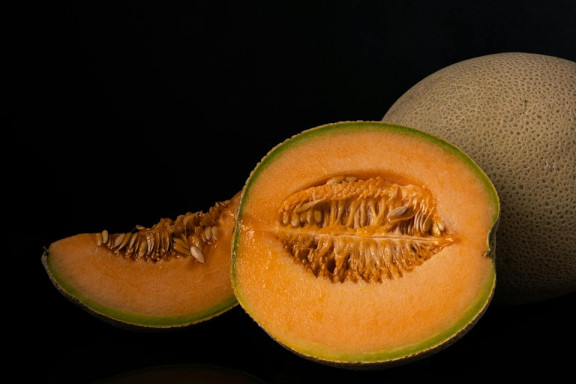
This fruit is known for its deep orange-gold flesh, which is also fragrant and juicy.
The Hearts of Gold cantaloupe is a muskmelon variety. It dates back to the 1890s; however, it is considered one of the first true modern varieties.
Buy hearts of gold seeds online.
6. Planters Jumbo
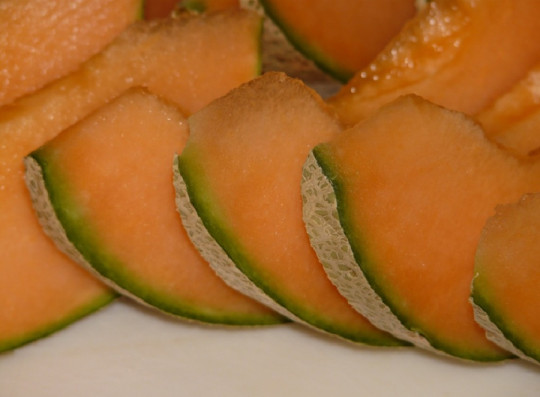
Planters Jumbo is a delicious cantaloupe. It has a smooth rind with heavy netting, and the fruit’s flesh is a deep orange.
Additionally, it is very sweet, grows well in wet or dry conditions, and matures in about 85 days.
Purchase planters’ jumbo seeds online.
7. All Sweet
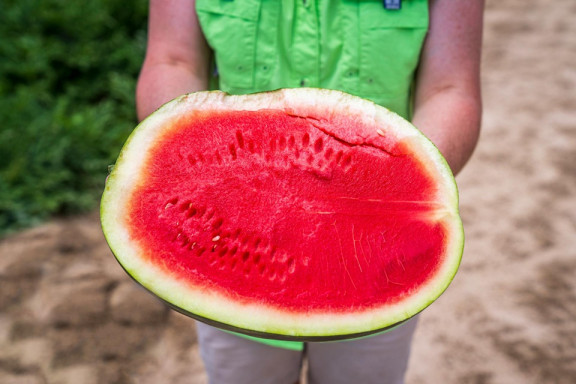
All Sweet is a classic picnic-type watermelon. It appears exactly the way we imagine it—green on the outside and reddish-pink within.
The fruit is usually big (averaging 30 pounds) and sweet.
Purchase all sweet seeds online.
8. Cal Sweet
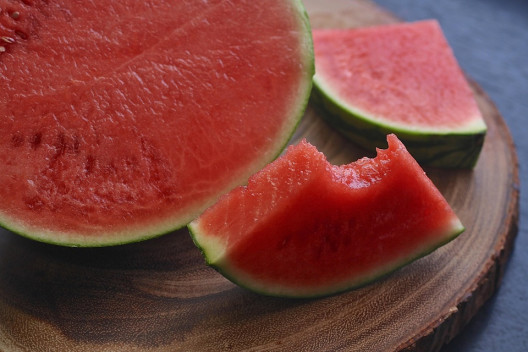
Cal sweet watermelons have bushy vines that grow 14 to 18 inches long, which provide foliage cover to protect the plants.
It is very sweet and takes about 85 days to mature.
Purchase Cal Sweet seeds online.
9. Carolina Cross
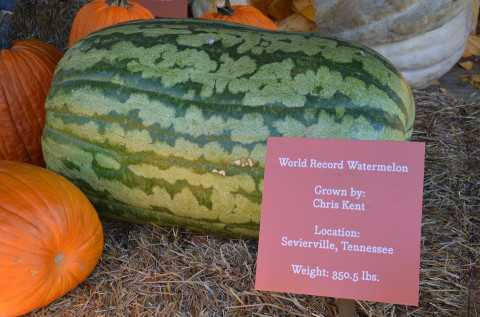
Photo: World Record Watermelon by Joe Shlabotnik, used under Creative Commons Attribution 2.0.
The Carolina Cross is the largest watermelon variety. The fruit can also reach over 200 pounds.
Carolina cross grows to its full potential during the hot summer months.
Purchase Carolina Cross seeds online.
10. Congo
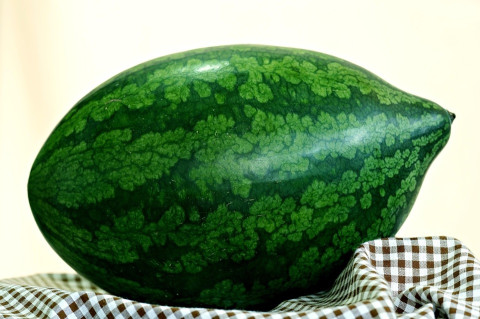
Congo is a unique watermelon with extra-sweet, deep-red, firm flesh. In 1950, it won the All-America Selections competition.
Purchase Congo watermelon seeds online.
11. Crimson Sweet
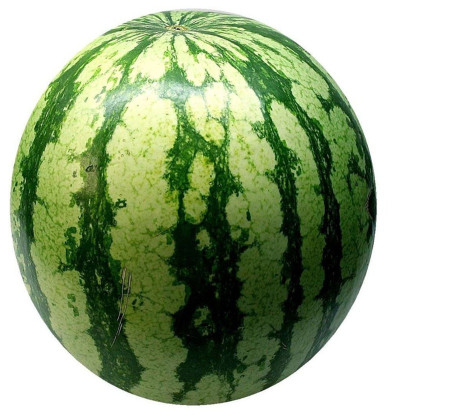
Crimson Sweet is known for its delicious flavor and for being one of the sweetest among large watermelon types.
Charles V. Hall of Kansas State University developed it. It was released in 1963 and has since become a farmer’s favorite.
You can find organic crimson sweet seeds online.
12. Florida Giant
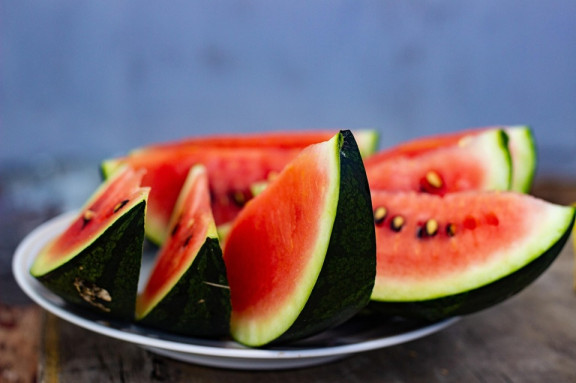
As the name suggests, one might think it grows in Florida; however, this melon variety thrives well outside the Sunshine State.
The Florida Giant is a watermelon that produces large fruits (50+ pounds) and matures in about 90 days.
You can find organic Florida Giant seeds online.
13. Georgia Rattlesnake
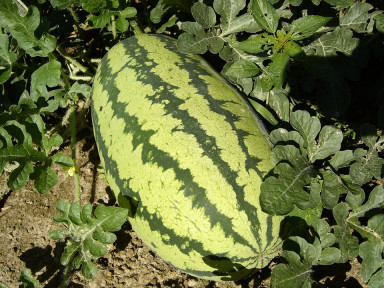
Photo: Big watermelon by trekkyandy, licensed under CC BY 2.0 on Flickr.
The Georgia Rattlesnake is a classic watermelon that has bright pink flesh. Moreover, the fruit is sweet, has a tough rind, and averages over 30 pounds.
This melon fruit also loves the summer heat and matures in about ninety days.
You can find organic Georgia rattlesnake seeds online.
14. Jubilee
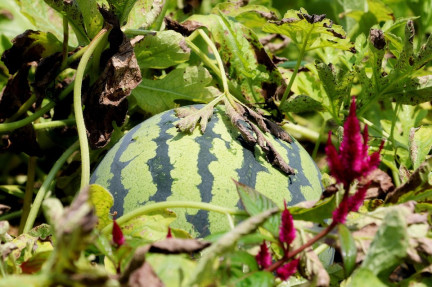
Jubilee is crisp and often requires about 90 days to mature. This watermelon produces fruit of up to 40 pounds and has alternate green and pale green stripes.
You can find organic Jubilee seeds online.
15. Moon & Stars
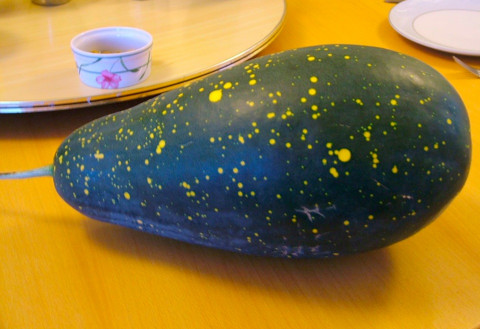
The Moon and stars are usually very heavy, weighing up to 50 pounds each.
The flesh of this exotic melon is very juicy and sweet, and can be red, pink-red, or even yellow. Also, its unique skin is dotted with large and small yellow spots.
You can find organic moon and stars seeds online.
16. Sugar Baby
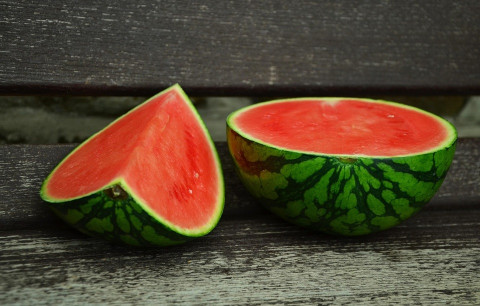
Sugar baby is called the ‘picnic’ or ‘icebox’ watermelon. However, this melon is perfect for small families because it is quite small.
It averages about 9 pounds and grows best in warm, dry temperatures. Also, it is really sweet and matures in about 75 days.
You can find organic sugar baby seeds online.
17. Tendersweet
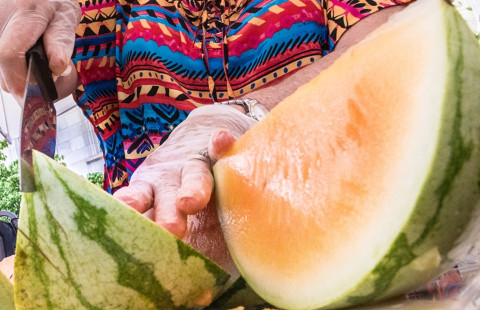
Among the sweet melons, the tendersweet watermelon is known for its crisp, orange flesh. It has a tough rind, which is suitable for short-term storage.
Above all, it has a sweet, honey-like flavor and is very nutritious.
Tendersweet averages 35 pounds and takes about 90 days to mature.
You can find organic tendersweet seeds online.
18. Tom Watson
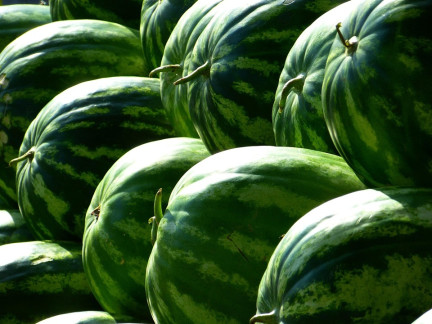
Tom Watson produces large fruits (up to 40 pounds) and matures in approximately 90 days.
The rind is dark green, with thin stripes. Besides, the flesh is red and sweet.
You can find organic Tom Watson seeds online.
How to Grow Melons
Melon plants are warm-weather crops that can be planted using two methods.
You can either sow the seeds directly into the ground or transplant the seedlings. Before doing this, ensure that all the frost has passed.
Germination usually takes 3 to 10 days, depending on the type.
Care and Maintenance
When growing melons, be mindful of certain environmental issues and common farming mistakes. However, these are not difficult to avoid, and with the right information and guidance, you can have a good harvest.
Try mulching the ground with shredded newspaper, straw, or grass clippings. These will warm the soil and help prevent weed growth.
Moreover, the fruits will be clean by the time you need to pick them. Mulching also helps maintain moisture levels.
Additionally, during the growing season, melon plants need up to 2 inches of water per week. But do not overwater—the goal is to keep the soil moist.
Pest and Disease Problems
Melons are prone to mildew. However, there are natural products such as OxiDate 2.0 that can help. These are OMRI-listed, meaning they are safe for organic gardening.
As for garden pests that affect cucurbits, these include:
- Thrips
- Grasshoppers
- Spider Mites
- Beet Armyworms
- Beetles
- Leafminers
- Whiteflies
- Aphids
- Squash Bugs
- Wireworms
- Mole Crickets
- Seedcorn Maggots
- White Grubs
To control these pests, you can combine several natural pest control methods or simply spray them with pest control oils such as AgroPest.
To further protect plants from these critters, use row covers, but take them off during the pollination season.
Harvesting
Depending on the type, melons take 65 to 100 days to mature. The harvesting time is important, as they do not get sweeter after they are picked.
To find out if your melon is ripe,
- Tap it across the body. If you hear a hollow sound, the fruit is ripe.
- Also, check the bottom of the fruit. In some varieties, the fruit turns yellowish-cream when ripe.
- A ripe melon also gives in easily when it is pressed.
- Additionally, check the tendril’s color. If it’s green, the fruit isn’t ripe yet. If it appears to be drying out and turning brown or gray, the fruit is almost ripe.
Takeaway
While there are many, and we love them all, melons come with unique features. Choose a variety or two from this list, get your seeds, and start planting!





Add comment