

 Sasha Campbell
Wood ash is helpful in the garden. Commonly used as a soil amendment, it is a good source of calcium and potassium, along with smaller amounts of phosphorus and magnesium.
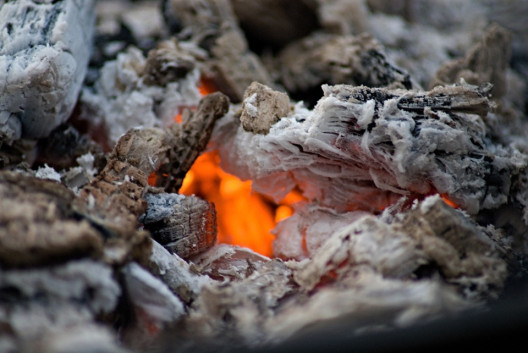
Wood ash is the powdery substance that remains after burning wood [1]. If you heat with wood or have a fire pit, save the cooled wood ash instead of throwing it away.
Benefits of Using Wood Ashes in the Garden
1. Natural Fertilizer
Plants need a variety of essential nutrients to thrive. Some of these can be found in wood ashes.
To effectively use wood ash as fertilizer, apply 10 to 15 pounds per 1,000 square feet of soil. It is suitable for asparagus, leeks, beets, tomatoes, roses, and fruit trees.
However, avoid applying wood ash every year without testing your soil. Repeated applications can make soil too alkaline.
2. Add to Compost
Gardeners hope for a healthy compost pile.
Adding small amounts of wood ash to compost can help reduce excessive acidity. However, it should be used sparingly to avoid making the compost overly alkaline, which can slow decomposition and disrupt microbial activity.
3. Garden Lime Substitute
You can use fireplace ash as a substitute for agricultural lime.
Garden lime is used agriculturally to raise soil pH. Therefore, use your fireplace ashes instead of paying for garden lime at the farm store.
Wood ash is only about half as effective as agricultural lime by weight, so larger amounts are needed.
4. Slug Repellent
Slugs and snails move more efficiently in wet soil, whereas on dry surfaces they are hindered.
Dry wood ash may temporarily discourage slugs and snails, but it must be reapplied after rain or heavy dew. Its effectiveness is short-lived and disappears once it becomes wet.
5. Raise Soil pH Levels
Another benefit of using wood ash for plants is that it raises soil pH.
This happens because the calcium carbonate and other alkaline compounds in wood ash raise soil pH [2].
Heavy rainfall can gradually reduce its effectiveness, so retest your soil before reapplying wood ash.
6. May Prevent Blossom End Rot
Wood ash may help if a soil test shows low calcium levels.
However, it will not resolve blossom end rot caused by irregular watering. In many cases, blossom-end rot is caused by inconsistent watering rather than by a lack of calcium in the soil.
Mixing some fire pit ashes into the soil after testing could be beneficial, as they contain calcium.
7. Improve Nutrient Recycling in the Garden
Wood ash is a great way to recycle nutrients back into the soil instead of throwing them away.
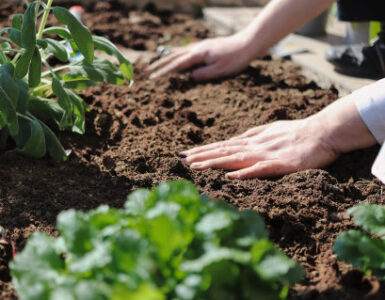
When mixed properly into compost or lightly worked into garden beds, it returns potassium, calcium, and trace minerals. These nutrients help plants thrive in future growing seasons.
This helps close the nutrient loop in the garden. It’s especially important in systems where gardeners rely on natural inputs rather than synthetic fertilizers.
The key is moderation. Small amounts go a long way, and soil testing helps ensure that balance is maintained.
8. Keep Chicken Feathers Clean
Anyone with chickens knows just how much they enjoy bathing in the dust. It is their primary way of keeping their feathers clean.
Therefore, make a bathing box for your chickens and put it inside the coop. Use either sand or soil and mix in some ash.
Wood ash may also help deter some parasites, such as lice, fleas, and mites.
9. Freshen Up the Chicken Coop
Since wood ash is alkaline, it can help neutralize poop odors when sprinkled throughout a chicken coop. The same principle applies to baking soda when used around the home or to keep odors out of refrigerators.
Fire ashes may also help discourage some parasites that could otherwise be a nuisance in the chicken coop and on the farm.
10. Ant Repellent
Many people are seeking non-toxic methods to control ants in their gardens and homes.
Dry wood ash may temporarily discourage ants by disrupting their trails and drying their bodies. However, it is not a reliable long-term control method.
Place a thick layer over the ant hills in your yard and garden, as well as over the cracks they use to enter the house.
Check daily to make sure the holes are still covered. If not, reapply.
11. Reduce Moss in Lawns and Garden Paths
Wood ash can help reduce moss growth in areas where the soil is too acidic.
Moss often thrives in acidic, damp conditions. So, raising the pH slightly can make the environment less favorable for moss growth. This is most effective on acidic lawns, where low soil pH encourages moss.
A light, even dusting can be applied to affected areas, but it should always be done carefully and in moderation. If the soil is already neutral or alkaline, this should be avoided, as it may cause more harm than good to surrounding grass or plants.
12. Improve Soil Structure (Light Clay Soil Amendment)
Wood ash contains fine, powdery particles that may slightly improve soil conditions when used in very small amounts alongside compost [3]. However, it doesn’t fix heavy clay on its own, and compost or other organic matter remains the best way to improve soil structure.
Because it is alkaline, it should only be added after a soil test shows the soil is acidic and needs pH balancing.
When used in small amounts alongside compost, it may contribute to better soil conditions in heavy clay soils.
Essential Nutrients That Wood Ash Contains
Most people would be surprised to learn how many nutrients are in wood stove ash. Far from being a waste product that needs to be disposed of, it has real value in the garden.
Wood ashes contain several important nutrients that plants need.
- Phosphorus
- Calcium
- Potassium
- Magnesium
Some soils naturally lack these minerals in abundance, while others need fortification.
Minerals like sodium are also found in ashes. You will also find much smaller amounts of copper, boron, sulfur, zinc, and molybdenum.
However, while wood ash has a bit of everything, it lacks nitrogen. So, it should be paired with nitrogen-rich compost or fertilizers when needed.
Plants That Grow Well in Soil Containing Wood Ash
Vegetables such as artichokes, cauliflower, chives, arugula, spinach, lettuce, and collards do well in soil amended with small amounts of wood ash when the soil is naturally acidic.
Wood ash is also suitable for flower gardens. Flowering plants that like wood ash include lavender, peonies, and roses.
However, avoid using wood ash around acid-loving plants such as blueberries, rhododendrons, and azaleas.
Also, use it cautiously around potatoes, raspberries, carrots, and radishes, especially if your soil is already neutral or alkaline.
Before adding wood ash to plants or the surrounding soil, purchase a soil test kit and test your soil’s pH.
Precautions When Using Wood Ash
- Never use ash from treated or chemically treated wood.
- Never use coal ash.
- Never apply to alkaline soils.
- Wear gloves and avoid breathing ash dust.
- Don’t apply excessive amounts.
- Store ash dry until use.
- Do not use wood ash as a general-purpose fertilizer substitute.
- Only use completely cooled wood ash.
Takeaway
Now that you know what to do with wood ash, find a dry spot to store it during the winter.
Store wood ash in a dry, covered metal container until you’re ready to use it. By spring, you should have a decent supply set aside for the garden and other areas with acidic soil.




Add comment