

 Sasha Campbell
Flowers can do more than make a garden look pretty. Some blooms are safe to eat and can add color, scent, and flavor to meals. You can use them in salads, drinks, desserts, soups, and more.
However, you must know exactly which flower you have. Some harmful flowers look like edible ones.
Never eat flowers from a florist, garden center, roadside, or a yard where you do not know how the plants were treated. They may have been sprayed with chemicals that are not approved for food plants.
Grow your own flowers from seeds or plants sold for food use. You can also buy blooms marked as edible. Always check the botanical name because common flower names can be confusing [1].
Here is a list of 20 edible flowers you can grow and enjoy.
Best Edible Flowers for Your Garden
1. Rose
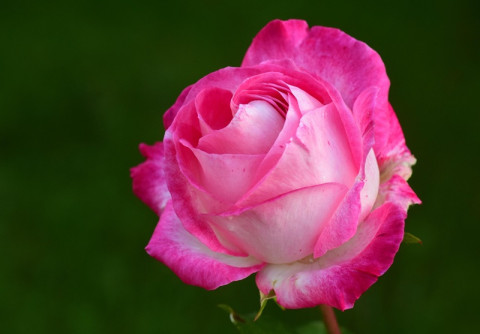
Rose petals may taste sweet, fruity, or slightly spicy. Use them in drinks, jam, fruit salad, desserts, or rose sugar. The petals of true roses in the Rosa genus are edible. Remove the pale base of each petal if it tastes bitter.
2. Daylily
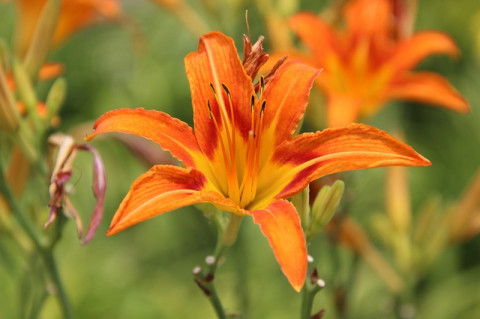
True daylilies belong to the Hemerocallis genus. Their buds may taste a little like green beans, while the open flowers have a milder flavor.
Try the petals in salads or cook the buds. Eat only a small amount at first because daylilies can upset some stomachs. Do not confuse daylilies with true lilies from the Lilium genus.
3. Lilac
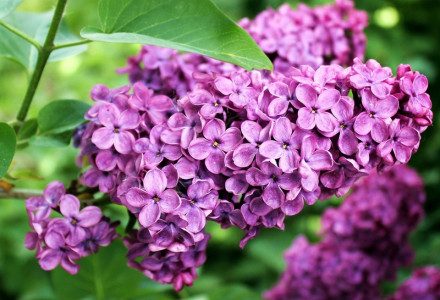
Lilac flowers have a strong scent and a light floral taste. The flavor can change based on the variety.
Pull the small flowers from the green stems. Use them in syrup, jelly, lemonade, sugar, ice cream, or baked treats. Confirm that the plant belongs to the Syringa genus before eating it.
4. Dandelion
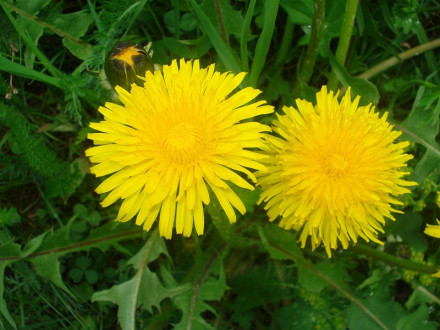
Common dandelion (Taraxacum officinale) produces edible yellow flowers. Young blooms may taste a little like honey, while older ones can be bitter.
Add the yellow petals to salads, fritters, bread, jelly, or tea. Harvest only from clean places that have not been sprayed or visited often by pets.
5. Nasturtium
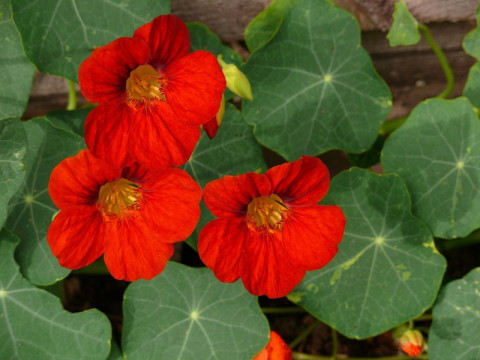
Nasturtium is one of the easiest edible flowers to grow. Its bright blooms have a peppery flavor similar to watercress.
Add the flowers to salads, sandwiches, sauces, and savory meals. The round leaves are edible too. Nasturtiums grow well in garden beds, large pots, and hanging baskets.
6. Violet
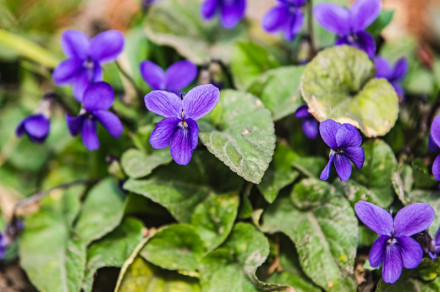
Sweet violet and common blue violet flowers have a mild, sweet flavor. Use them on cakes or in fruit salad, syrup, jelly, and tea.
Do not assume every plant called a violet is edible. African violets are houseplants from a different plant family and should not be used as food.
7. Lavender
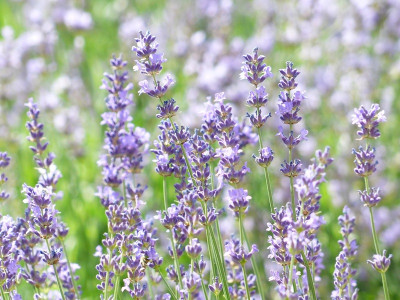
English lavender, Lavandula angustifolia, has a strong floral flavor. A small amount can add flavor to cookies, cakes, lemonade, tea, ice cream, and sugar.
Too much lavender can make food taste bitter or soapy. Use it lightly and choose culinary lavender that has not been treated with unsafe chemicals.
8. Squash Blossom
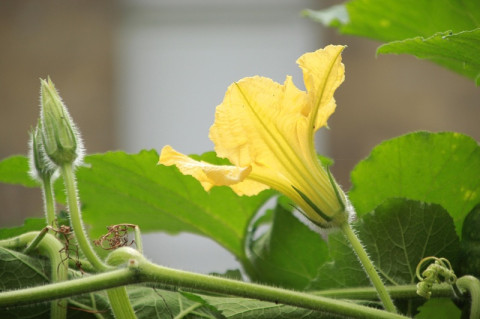
The yellow flowers of pumpkins, zucchini, and other squash plants have a mild squash taste. Add them to eggs, soup, and tacos, or stuff and cook them.
Pick mostly male flowers if you still want plenty of squash. Male flowers grow on thin stems and do not have a tiny fruit behind them. Remove the green base and inner flower parts before cooking [2].
9. Sunflower
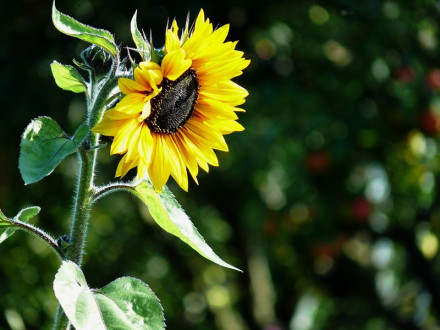
Young sunflower petals are edible and taste mild or slightly bitter. Scatter them over salads to add bright color.
Make sure the plant is a true common sunflower (Helianthus annuus). Only use petals from plants that have not been treated with unsafe chemicals.
10. Pansy
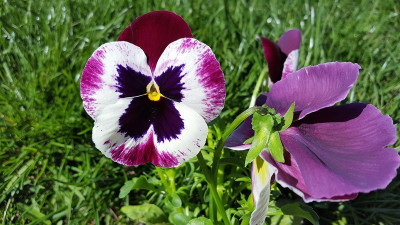
Pansies and violas may taste sweet, mild, or slightly grassy. Their bold colors look lovely in salads, on cupcakes, or frozen inside ice cubes.
You can use the whole flower after removing the stem. Choose plants that were grown for eating.
11. Carnation
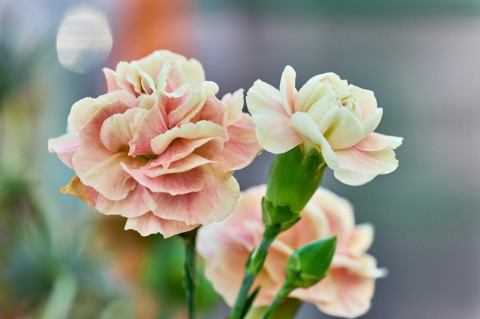
Carnation petals can taste sweet and spicy, with a hint of clove. Use correctly identified edible flowers from the Dianthus genus.
Cut away the bitter white base of each petal. Add the colorful part to salads, syrups, desserts, cold drinks, or fruit dishes.
12. Marigold
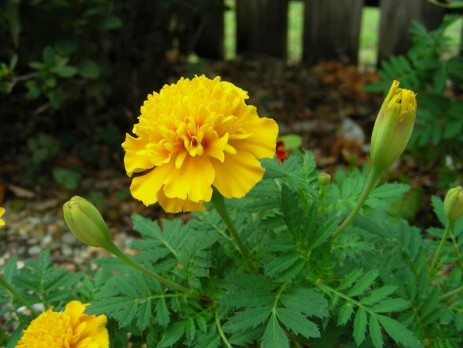
The name “marigold” covers several plants, so check the botanical name. Signet marigolds, such as Tagetes tenuifolia, are a good food choice. Their petals may taste citrusy, spicy, or slightly bitter.
Use the petals in salads, rice, soups, tea, or egg dishes. Eat them only occasionally and in small amounts.
13. Chamomile
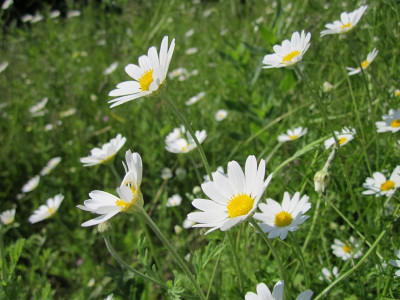
German chamomile, Matricaria chamomilla, and Roman chamomile, Chamaemelum nobile, have small, daisy-like flowers. Their blooms have a gentle apple scent and are often dried for tea.
Chamomile belongs to the daisy family. People who are allergic to ragweed or related plants may also react to chamomile.
14. Calendula
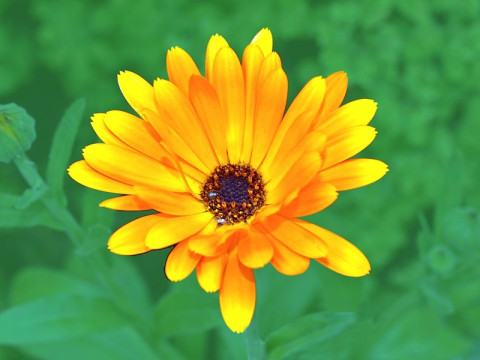
Calendula is also called pot marigold, but it is not the same as a Tagetes marigold. Its yellow or orange petals taste mild, peppery, or slightly bitter.
Sprinkle them over soups, rice, bread, and salads. The petals can also add golden color to butter, cheese, and other foods [3].
15. Dahlia
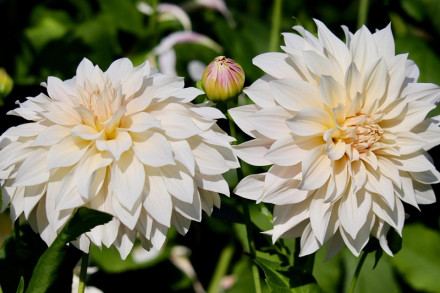
Dahlia petals are edible, but their flavor varies by variety. Some are crisp and mild, while others are bitter or slightly spicy.
Taste one clean petal before adding more. Use dahlia petals in salads, tea, baked goods, or as a colorful garnish.
16. Borage
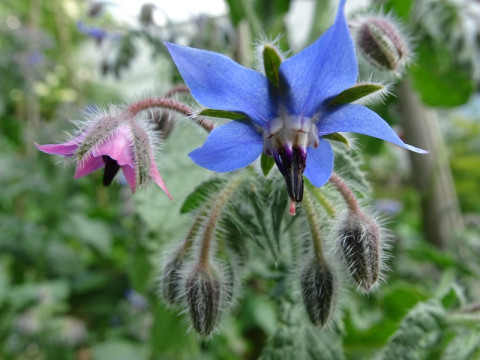
Borage, Borago officinalis, has blue, star-shaped flowers with a light cucumber taste. A few flowers can be added to salads, cold drinks, or ice cubes.
Use borage only as an occasional garnish. The plant contains natural compounds that may harm the liver if eaten often or in large amounts. It is safer not to eat the leaves.
17. Chive Blossom
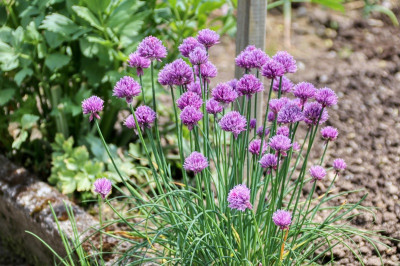
Chive flowers have a mild onion taste. Pull the purple flower head apart and sprinkle the small flowers over potatoes, eggs, soup, vegetables, soft cheese, or salad.
Garlic chive flowers are also edible. They are usually white and have a mild onion and garlic flavor.
18. Hibiscus
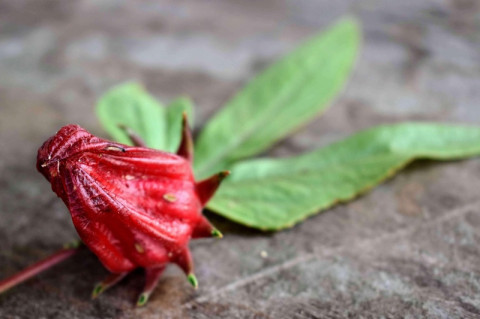
Roselle, Hibiscus sabdariffa, produces fleshy red calyces behind its flowers. A calyx is the covering that holds and protects a flower.
Jamaicans use the calyces to make sorrel drink, and other countries use them to make hibiscus tea. The flowers and young leaves are also edible. Always check the species before eating an ornamental hibiscus.
19. Elderflower
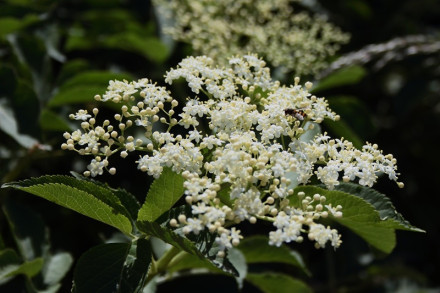
Elderflowers have a light, sweet scent. You can cook them into syrup, cordial, tea, pancakes, and desserts.
Use flowers from a correctly identified edible elder. Remove all stems and cook the flowers before eating them.
Never eat elder leaves, bark, roots, stems, or raw berries because they contain compounds that may cause illness [4].
20. Bee Balm
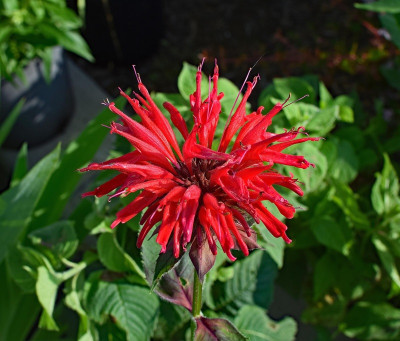
Bee balm, also called wild bergamot, has red, pink, or purple blooms. Its petals may taste citrusy, minty, spicy, or a little like oregano.
Add them to tea, salads, fruit, or cold drinks. The leaves are useful in the kitchen too. Flavor can vary by species or variety.
Simple Tips for Growing Edible Flowers
Many edible flowers grow well in loose, well-drained soil. Most flowering plants need plenty of sunlight, but some can handle light shade.
Water the soil instead of soaking the blooms. Wet flowers may be more likely to develop spots or disease. Remove old flowers to help many plants produce new blooms.
Avoid chemicals that are not approved for edible plants. Products made for ornamental flowers may not be safe for plants you plan to eat. Always read the product label.
Label each plant with its common and botanical name. This will help you avoid mixing edible plants with harmful look-alikes.
How to Harvest and Prepare Edible Flowers
Pick edible flowers during the cool morning after the dew has dried. Choose fresh blooms without mold, spots, disease, or insects.
Shake the flowers gently. Rinse them under cool running water and place them on a clean towel to dry. Flowers are often best when picked on the day you plan to use them.
For many flowers, only the petals are recommended. Remove the stem, green parts, and inner flower parts when a trusted guide tells you to do so. Some parts may be bitter, while others may not be safe to eat.
People with asthma, hay fever, or plant allergies should be extra careful. Try only one new flower at a time. Eat a small amount first and wait to see how your body reacts. “Edible” does not mean everyone can eat a large serving without a problem [1].
If you need to store the flowers, place them between damp paper towels inside a closed container. Keep them in the refrigerator and use them as soon as possible.
Add Safe Color and Flavor to Your Food
Growing edible flowers is a fun way to make your garden more useful. Start with simple choices such as nasturtium, calendula, pansy, or chive.
Most importantly, never eat a flower unless you are completely sure of its identity. Check both the common and botanical names. Learn which parts are edible, and make sure the plant hasn’t been treated with unsafe chemicals.
With the right plants and a little care, your garden can give you flowers that are beautiful to see and tasty to eat.
See also: Weeds That Are Edible.




Add comment