

 Sasha Campbell
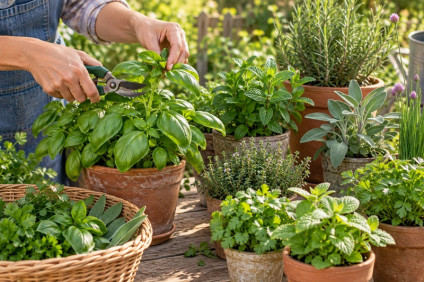
Growing herbs at home is a simple way to enjoy fresh flavor. However, herbs need more than water and sunlight. Many herbs also benefit from regular pruning or harvesting.
Pruning means removing certain parts of a plant to guide its growth. With herbs, this may include cutting off stem tips, old leaves, flowers, or weak growth.
Regular pruning can help some herbs grow more branches and leaves. It can also stop plants from becoming too tall, thin, or untidy.
Regular trimming may also reduce old, woody growth in some herbs. Since the leaves are often the part you want to use, a bushier plant may give you a larger harvest.
The good news is that harvesting and pruning often happen at the same time. When you cut herbs for cooking, you can also help the plants stay full and healthy. In fact, regular harvesting can help many herbs stay bushy [1].
Which Herbs Should You Prune Regularly?
Here are ten herbs that benefit from regular pruning or harvesting.
1. Basil
Basil is one of the most important herbs to prune. Without regular cutting, the plant may grow tall and thin with fewer branches. It may also begin flowering early.
Start pruning basil after it has grown at least three sets of true leaves. The first small seed leaves do not count. Find a place where two leaves meet the main stem. Cut the stem just above that point. Two new branches will often grow below the cut.
Continue cutting the stem tips every week or two. Remove flower buds if you want the plant to keep producing tender leaves. Once basil begins flowering and making seeds, it may produce fewer leaves. The flavor may also become stronger.
Do not remove all the leaves at once. Leave enough healthy growth so the plant can continue making food from sunlight.
2. Mint
Mint grows quickly and can soon become tall, crowded, or untidy. Regular pruning keeps it full and easier to control.
Cut mint stems just above a pair of leaves. You can harvest a few stems each week while the plant is actively growing.
If the plant becomes tall, overgrown, or messy, cut it back by about one-third to one-half. New shoots should soon appear. Do not prune a weak or badly stressed plant heavily.
Remove flowers if your main goal is to harvest leaves. However, you can leave a few blooms for bees and other pollinators.
Mint spreads through underground stems and can take over a garden bed. Growing it in a container can help control its spread [2].
3. Oregano
Oregano can become long, thin, and woody if you don’t cut it often. Pruning helps it form a low, bushy mound with plenty of fresh leaves.
Begin trimming once the stems are several inches tall. Cut just above where the leaves join the stem. New branches may grow below the cut. Harvest the top parts of the stems instead of pulling off single leaves.
You can also trim oregano after it flowers. Remove the old flower stems and any weak or dead growth. Avoid cutting deeply into old, bare wood because it may not grow back well.
Frequent light trimming is better than waiting until the plant becomes overgrown.
4. Thyme
Thyme is a small woody herb that can become bare in the center as it ages. Light pruning helps it stay neat and encourages soft new growth.
Trim the stem tips during the growing season. Always cut above a section that still has green leaves. After flowering, remove the faded flowers and lightly shape the plant.
Do not cut thyme all the way into old, leafless wood. Bare stems may not produce new shoots. Instead, make small cuts while the plant still has plenty of green growth.
Regular harvesting may be enough to keep a small thyme plant in good shape.
5. Rosemary
Rosemary can grow into a large, woody shrub in a warm climate. Light pruning helps control its size and encourages more branches.
Cut soft green stems as needed for cooking. Make each cut above a leafy part of the stem. You can also trim the plant lightly after flowering.
Avoid cutting into thick, old wood that has no leaves. Rosemary does not always grow back from these bare sections. Don’t remove too much of the plant at once.
Light pruning can also allow more air and sunlight to reach the inner branches. This may help a large rosemary plant stay healthy.
6. Sage
Sage produces its best leaves on fresh growth. Without pruning, it can become woody, open, and untidy.
Pinch or cut the young stem tips during the growing season. This encourages the plant to form more side branches. Remove dead, damaged, or weak stems when you see them.
Older sage plants may need a stronger trim in spring when new growth begins. Cut back the leafy stems, but do not cut the entire plant into old, bare wood.
You can remove the flower stems after blooming to tidy the plant. This may also encourage fresh, leafy growth.
7. Chives
Chives do not form branches, so they are pruned in a different way. Their thin leaves grow from the base of the plant.
Harvest chives by cutting the leaves about one or two inches above the soil. Take a small amount as needed, or cut a group of leaves at one time. New leaves will grow from the base.
Remove faded flowers before they produce seeds unless you want the plants to spread. Old flower stems can become tough and should be cut close to the soil.
After flowering, chives may look tired or untidy. You can cut the leaves back to about one or two inches above the soil to encourage fresh growth.
If the new leaves also turn yellow, check the soil moisture, drainage, and health of the plant.
8. Parsley
Regular harvesting helps parsley continue producing fresh leaves. Cut the older outer stems near the base of the plant. Leave the small center leaves so they can continue growing.
Do not remove only the leafy top of a parsley stem. The part left behind may turn yellow and will not produce another group of leaves. Cutting the whole stem near its base keeps the plant cleaner.
Parsley is a biennial plant, but most gardeners grow it as an annual. It normally produces leaves during its first year and flowers during its second year [3]. However, stress or exposure to cold weather may cause it to flower sooner.
Once parsley sends up a tall flower stalk, the leaves may become tougher and stronger in taste.
9. Cilantro
Cilantro grows quickly and has a short harvesting season. It may begin flowering early when the weather becomes hot. This process is called bolting.
Harvest the outer leaves and stems while leaving the small center growth. You can also cut the whole plant once it reaches a useful size.
If a flower stalk appears, you may remove it, but this will delay flowering for only a short time. Cilantro naturally bolts as the weather gets hot and the days become longer.
Planting new cilantro seeds every three to four weeks is the best way to maintain a steady supply of fresh leaves [4]. You can also allow some plants to flower and produce coriander seeds.
10. Lemon Balm
Lemon balm grows quickly and responds well to regular cutting. Without pruning, it can become tall, floppy, and untidy.
Pinch the growing tips to help young plants become bushier. Harvest the stems before the flowers open if you want tender leaves with a strong scent.
After flowering, cut the plant back by about one-third to one-half. This can encourage a fresh group of leaves. Removing the flowers before they produce seeds can also prevent unwanted seedlings.
Like mint, lemon balm may spread beyond its growing space. Regular pruning and the removal of unwanted seedlings will help keep it under control.
Tips for Pruning Herbs Safely
Use clean, sharp scissors or pruning shears. A clean cut causes less damage than a torn or crushed stem. Clean your tools before moving between plants, especially if one plant looks sick.
Prune herbs when their leaves are dry. Wet leaves can make it easier for some plant diseases to spread.
For most herbs, removing no more than one-third of the plant at one time is a safe guide. Some fast-growing herbs, such as mint and lemon balm, can handle a stronger cut. However, young, weak, dry, or newly planted herbs should be pruned lightly.
Make cuts just above a pair of leaves or a place where leaves join the stem. New branches often grow from the area below the cut.
In places with cold winters, avoid heavy pruning late in the growing season. New growth may not have enough time to become strong before freezing weather arrives.
Remember that soft herbs and woody herbs have different needs. Soft herbs like basil can handle frequent pinching. Woody herbs like rosemary and thyme need gentler pruning because bare, old stems may not grow back.
Takeaway
Regular pruning and harvesting are simple ways to keep herbs healthy and useful. Cutting can encourage fresh leaves, control plant size, and help many herbs develop a fuller shape.
Basil, mint, oregano, thyme, rosemary, sage, chives, parsley, cilantro, and lemon balm all benefit from careful pruning, trimming, or harvesting. However, they should not all be cut in the same way.
Start with small cuts and watch how each plant responds. With careful pruning and regular harvesting, your herb garden can provide plenty of fresh leaves for many weeks or even years.





Add comment