

 Sasha Campbell
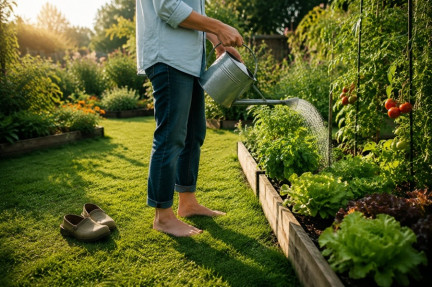
Earthing while gardening is an easy way to spend more time in direct contact with nature. You might stand barefoot on safe grass while watering plants. You could also rest your bare feet on the ground while sitting in the garden.
This wellness practice is also called grounding. Many people say it helps them feel calm and connected to the earth. Gardening may be a natural time to try it because you are already outdoors, moving your body, and caring for plants.
However, earthing is not a proven treatment for any health problem. Early studies have looked at its possible effects on sleep, pain, stress, and inflammation. Many of these studies were small or had other limits. More high-quality research is needed.
Earthing should never replace medicine or proper health care.
What Is Earthing?
Earthing means placing your bare skin directly on a natural surface. This may include soil, grass, or sand.
Direct contact with the ground can change the body’s electrical charge. Supporters believe this may affect health, but that claim has not been proven.
Some small studies and reviews have reported possible effects on sleep, pain, stress, and inflammation. However, the studies have important limits. They do not prove that earthing improves health. Larger, independent studies are still needed [1].
You do not need to buy a special mat or sheet to try earthing outdoors. A few quiet minutes on a clean, safe patch of ground are enough to see whether you enjoy the experience.
How Earthing and Gardening Work Together
Gardening already brings you close to nature. You bend, reach, dig, plant, and water. If it is safe for you to remove your shoes, you can add earthing without making a separate plan.
For example, you could water the garden while standing barefoot on clean grass. You might also sit in a chair and rest your bare feet on the ground while sorting seeds or trimming herbs.
The practice does not need to last a long time. Start with 5 to 10 minutes. Pay attention to how the ground feels. Notice the smell of the soil, the sound of birds, and the movement of the air.
This can turn a few quiet minutes in the garden into a simple mindfulness exercise.
Possible Benefits of Earthing While Gardening
It May Help You Slow Down
Modern life can feel busy and rushed. A quiet gardening task gives your mind one simple thing to do.
When you stand or sit on the ground, focus on what you can see and feel. Notice whether the soil is warm, cool, dry, or damp. Watch a bee visit a flower. Take slow breaths as you work.
These habits may help you feel calmer and more present. This can happen even if earthing itself has no special medical effect.
Gardening May Support Mental Well-Being
The evidence for gardening is stronger than the evidence for earthing.
A research review found links between gardening and better mental well-being, more physical activity, and less social isolation. However, the researchers also said that the quality of the studies was not always strong [2].
A 2025 review looked at gardening programs for people with long-term health problems. Gardening appeared to offer some mental health benefits. However, the studies gave mixed results. More good research is needed [3].
The calm feeling you get from gardening may come from many things. Fresh air, movement, daylight, nature, and time away from screens may all play a part.
It May Make Gardening More Enjoyable
The feel of cool grass under your feet may turn a common garden chore into a peaceful break.
Regular garden care can also give you a sense of purpose. You can watch a seed sprout, a flower open, or a vegetable grow. These small changes can make your work feel useful and rewarding.
Easy Ways to Practice Earthing in the Garden
Choose gentle activities that do not place your bare feet near tools, thorns, or hidden objects. You can try earthing while:
- watering plants from a clean, clear path;
- sitting on inspected grass while sorting seeds;
- reading plant labels;
- planning where to plant;
- watching birds, bees, or butterflies;
- checking plants for new growth; or
- resting after finishing a safe garden job.
Direct skin contact is part of the earthing idea. You can keep your gardening gloves on while placing your bare feet on clean ground.
Gloves help protect your hands from cuts, germs, irritating plant sap, animal waste, and garden chemicals.
A Simple 10-Minute Earthing Garden Routine
First, inspect a clean patch of grass or soil. Look carefully for broken glass, nails, sharp rocks, thorns, animal waste, and biting insects. Keep your shoes nearby in case you need them.
Stand or sit in a comfortable place with your bare feet on the ground. Take three slow breaths. Then choose one gentle task, such as watering herbs or checking young plants.
Move slowly for about five minutes. Notice the colors, sounds, smells, and textures around you.
For the final few minutes, stay still and look for one change in the garden. You may notice a new leaf, a small flower, or an insect moving across the soil.
Wash and dry your feet when you finish. Check them for small cuts, insect bites, splinters, or skin irritation.
Earthing Safety Tips for Gardeners
Check the ground before removing your shoes. Look for broken glass, nails, sharp rocks, thorns, animal waste, stinging insects, and irritating plants. Avoid areas recently treated with pesticides, weed killers, or other chemicals.
Do not walk barefoot in soil that may contain sewage or human or animal waste. Hookworms can live in contaminated soil and enter the body through bare skin. Wear shoes if you are unsure whether the area is clean [4].
Go inside a building or hard-top vehicle when you hear thunder. Wait at least 30 minutes after the last thunder before returning outdoors [5].
Stay away from electrical cords, powered tools, electric fences, and outdoor outlets. Do not walk barefoot on ground that is hot, rough, sharp, or slippery.
Barefoot gardening may be unsafe if you have diabetes, numb feet, poor blood flow, open sores, a weak immune system, or slow-healing wounds. Ask a health professional before trying it.
Wash cuts with clean water and soap. Get medical help for a deep puncture or dirty wound. Keep your tetanus vaccination up to date. Your need for another dose after an injury depends on the wound and your vaccination history [6].
Drink water, use sun protection, and garden during the cooler part of the day. Earthing does not prevent sunburn, heat illness, infection, or injury.
Does Earthing Really Work?
Some people report better sleep, less pain, or a calmer mood after earthing. Their experiences may be meaningful to them. However, personal stories do not prove that a health treatment works.
Expectations, rest, fresh air, outdoor time, and gentle movement may also change how someone feels.
Scientists need larger and better studies before they can say whether earthing offers special health benefits. Researchers also need to compare earthing with simply sitting outside, resting, or spending time in nature.
For now, it is best to view earthing as a relaxing outdoor activity rather than a medical treatment.
If you enjoy it, use it along with proven healthy habits. These include getting enough sleep, staying active, eating balanced meals, managing stress, and receiving proper health care.
Takeaway
Earthing while gardening can be a pleasant way to slow down and notice the natural world. You might stand barefoot on safe grass while watering plants. You could also sit in a chair with your bare feet on clean ground while watching birds or checking your garden.
Start with only a few minutes. Inspect the area first and choose a gentle, low-risk task. Wash and check your feet when you finish.
The special health claims made about earthing still need stronger proof. However, gardening itself offers movement, purpose, outdoor time, and a chance to relax. Those simple benefits are good reasons to step into the garden and enjoy the moment safely.




Add comment