

 Sasha Campbell
Many gardeners pull out common chickweed (Stellaria media) without knowing it is one of the most useful edible weeds they can find.
This small, fast-growing plant is more than a garden nuisance. It is one of the easiest edible wild plants to identify, harvest, and use.
For people interested in foraging chickweed or growing their own wild greens, chickweed offers many benefits. It provides nutrients, supports beneficial insects, protects bare soil, and can be added to many fresh recipes.
This chickweed plant profile covers everything you need to know, including identification, nutrition, garden benefits, growing tips, harvesting, and common uses.
What Is Chickweed?
Common chickweed (Stellaria media) is a cool-season annual plant in the carnation family [1]. It grows naturally in many parts of the world and is often found in gardens, lawns, fields, and places where the soil has been dug or moved.
Although many people consider chickweed a weed, gardeners who value organic growing often see it differently. Like many other edible wild plants, chickweed can provide food while also playing a helpful role in the garden ecosystem.
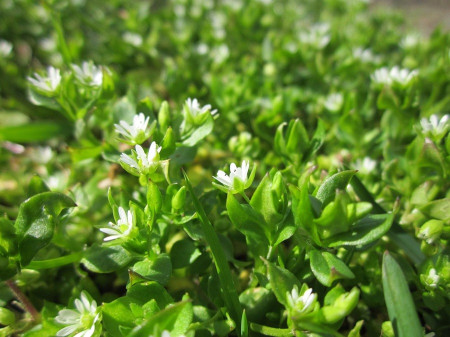
Its small white flowers, soft green leaves, and spreading growth habit make it easy to recognize once you know what to look for.
Chickweed usually grows 4 to 20 inches (10 to 51 cm) tall and spreads across the ground.
Common Names and Scientific Name
Chickweed is commonly known as common chickweed, starweed, winterweed, and chickenwort.
Its scientific name is Stellaria media.
Is Chickweed Edible?
Yes, common chickweed (Stellaria media) is edible when correctly identified.
The young leaves, tender stems, and flowers can all be eaten. Many wild food enthusiasts consider chickweed one of the easiest edible weeds for beginners because it has a mild flavor and a soft texture.
Young plants are usually preferred because they are more tender. Older plants can become tougher but can still be used in cooked dishes.
Chickweed Look-Alikes
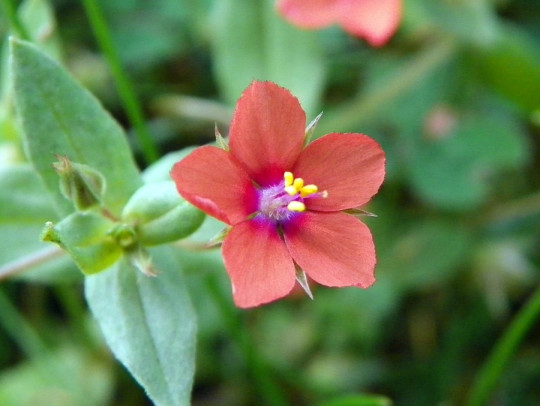
When foraging edible weeds, it is important to know the difference between similar plants.
Scarlet pimpernel (Anagallis arvensis) resembles chickweed, but you should not eat it. Always check for the identifying features of Stellaria media, especially the single line of hairs along the stem and the small white flowers.
If you are unsure about a wild plant, do not consume it.
Where Does Chickweed Grow?
Common chickweed grows in many different environments. It grows in many parts of the world and is common in temperate regions.
It is often found in vegetable gardens, raised beds, flower borders, compost areas, greenhouses, and along shaded pathways.
This edible weed grows well in moist, fertile soil with plenty of organic matter. It often appears in areas where the soil is rich and regularly disturbed.
Because Stellaria media grows well in cool conditions, it is commonly seen in spring and fall gardens when many other plants are slowing down.
How to Identify Chickweed
Proper identification is important before eating any wild plant. When foraging for chickweed, look for these features:
- Small oval leaves with pointed tips.
- Opposite leaves growing along the stem.
- Tiny white flowers with five petals that are deeply split, making them look like ten.
- Soft green stems that spread across the ground.
- A single line of fine hairs along one side of the stem.
The line of hairs is one of the best ways to identify true common chickweed. Always confirm identification before consuming any wild edible plant.
What Does Chickweed Taste Like?
Chickweed has a mild, fresh flavor that is often compared to young lettuce, baby spinach, or peas. Unlike some wild greens, it does not have a strong, bitter taste.
Because of its delicate flavor, chickweed blends easily into salads, sandwiches, soups, and other dishes.
Chickweed Nutritional Profile
Although it is a small plant, chickweed contains several important nutrients.
This edible wild plant contains vitamins A, C, and K, along with small amounts of minerals such as calcium, magnesium, potassium, iron, phosphorus, zinc, and manganese [2].
It also includes dietary fiber and plant compounds that many nutritious leafy greens contain.
Like many other wild leafy greens, chickweed is naturally low in calories and can add variety to meals.
Garden Benefits of Chickweed
Many organic gardeners now appreciate chickweed because it offers several benefits beyond being an edible plant.
Chickweed can help cover bare soil, which may reduce erosion caused by wind and rain. Its low-growing habit acts like a natural living mulch by helping shade the soil and slow moisture loss.
When added to compost, chickweed breaks down quickly and adds fresh green material that helps create nutrient-rich compost.
The small flowers of Stellaria media can attract beneficial insects, including small bees, hoverflies, and other tiny pollinators.
Does Chickweed Improve Soil?
Chickweed does not directly add nutrients to the soil while it is growing, but its presence can indicate fertile conditions. It often grows in moist, fertile soil that contains plenty of organic matter.
When the plant is cut back and left on the soil surface, it returns organic material as it decomposes. For this reason, some gardeners allow small patches of chickweed to grow rather than removing every plant.
How to Grow Chickweed
Growing common chickweed is simple because it requires very little care.
Plant seeds in early spring or fall when daytime temperatures stay between about 50°F and 70°F (10°C to 21°C).
Scatter the seeds over loose soil and lightly press them into the surface. Avoid burying them deeply because chickweed seeds need light to germinate.
The plant grows best in moist, fertile soil with full sun to partial shade and cool temperatures. Once it starts growing, chickweed often drops seeds and grows back on its own.
When Is the Best Time to Pick Chickweed?
Harvest chickweed in early spring, fall, or during mild winter weather when the plants are young and tender. You can also harvest it while the flowers are in bloom.
Pick young shoots before hot weather causes the plant to become tougher.
How to Harvest Chickweed
If you enjoy foraging chickweed, harvest from clean areas that have not been treated with herbicides or pesticides.
Choose young, healthy plants and cut the tender stems with clean scissors. Wash the harvest thoroughly before eating to remove dirt and tiny insects.
Avoid collecting chickweed from roadsides, areas treated with chemicals, or places where pets frequently visit.
How to Use Chickweed
There are many ways to enjoy this edible weed in the kitchen. You can add fresh chickweed to salads, sandwiches, wraps, smoothies, soups, pesto, and egg dishes.
It can also be lightly cooked and used like spinach.
Because of its mild taste, chickweed is a great choice for people who are new to eating wild greens.
Can Chickweed Be Frozen or Dried?
Yes. You can freeze chickweed for later use.
Blanch the leaves for about 30 seconds, cool them in ice water, drain well, pat dry, and freeze in airtight freezer bags or containers.
It can also be dried, although drying causes it to lose much of its fresh flavor and texture. Dried chickweed is best used in cooked dishes or homemade herbal preparations.
Is Chickweed Safe for Everyone?
Although chickweed is commonly eaten, it contains saponins, so it is best eaten in moderate amounts. Thorough cooking can help break down these compounds.
Some people may also have allergies or digestive discomfort after eating it [3].
Always eat only properly identified plants, and try a small amount the first time.
Pregnant or breastfeeding women, young children, and anyone with a medical condition should ask a healthcare professional before eating wild plants regularly.
Frequently Asked Questions
Is chickweed safe to eat?
Yes. Properly identified common chickweed qualifies as an edible wild plant, and people commonly eat it fresh or cooked.
Does chickweed come back every year?
Although chickweed is an annual plant, it produces many seeds, so it often returns each year.
Can you eat chickweed raw?
Yes. Young chickweed is commonly eaten raw in salads and sandwiches.
Older plants are usually better when lightly cooked.
Can chickens eat chickweed?
Yes. Chickens, ducks, and many other poultry enjoy eating fresh chickweed.
Should I remove chickweed from my garden?
Not always. Many gardeners keep small patches because chickweed can provide food, soil cover, and support for beneficial insects.
Takeaway
Common chickweed is a perfect example of why some plants labeled as weeds deserve a second look. This easy-growing edible wild plant provides nutrients, attracts beneficial insects, protects soil, and offers many uses in the kitchen.
Whether you want to forage chickweed, grow edible weeds, or create a more natural garden, you will find that chickweed is a valuable plant worth learning about.




Add comment