

 Sasha Campbell
Many people spend time pulling dandelions from their lawns every spring. Yet this common yellow flower is much more than an ordinary weed. It is one of the world’s best-known edible weeds.
Dandelion (Taraxacum officinale) is an edible plant that has been used for food for hundreds of years. Almost every part of the plant can be used, including the leaves, flowers, and taproot.
Dandelions can also benefit your garden in many ways. They feed pollinators, improve the soil, and grow almost anywhere. Whether you leave them in your yard or gather them for the kitchen, these hardy plants have much to offer.
Let’s take a closer look at why dandelions deserve a second chance.
What Is a Dandelion?
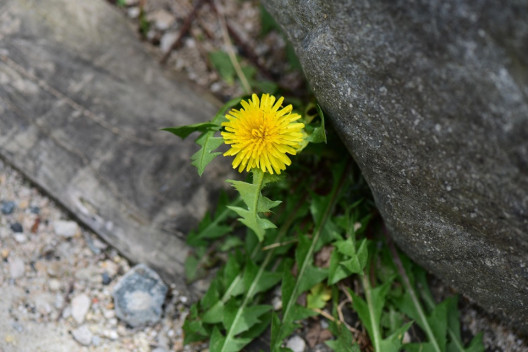
Dandelion is a flowering perennial in the daisy family (Asteraceae) [1]. It grows in lawns, gardens, fields, roadsides, and empty lots across much of the world.
The plant grows in a circle of deeply toothed leaves close to the ground. Hollow stems rise from the center and hold bright yellow flowers.
After blooming, the flowers turn into fluffy white seed heads. The wind carries away the lightweight seeds.
One reason dandelions spread so well is their long taproot [2]. This thick root grows deep into the soil, helping the plant survive dry weather and grow back even after being cut.
Is Dandelion Really an Edible Weed?
Yes. Dandelion is one of the best-known edible weeds. Almost every part of the plant can be eaten when prepared properly [3].
Young leaves are often added to salads. Older leaves are commonly cooked because cooking helps reduce their bitter taste.
You can also use the flowers in baked goods, syrups, jellies, or fritters. The roots are sometimes roasted and ground into a coffee substitute.
Always harvest dandelions from areas that have not been sprayed with herbicides, pesticides, or other chemicals.
Nutrients Found in Dandelions
Dandelions are packed with nutrients [4].
The leaves contain
- Vitamin A
- Vitamin C
- Vitamin K
- Folate
- Calcium
- Potassium
- Iron
- Magnesium
The flowers also contain small amounts of vitamins and helpful plant compounds called antioxidants. The roots contain fiber, including inulin, which the plant stores as energy.
These nutrients are one reason many people enjoy adding dandelions to their meals.
How to Use Dandelions
Dandelions are a versatile edible plant because almost every part can be used in the kitchen or around the garden. The leaves, flowers, and roots all have different uses in the kitchen and garden.
Eating Dandelion Leaves
Young dandelion leaves have a mild flavor, so you can enjoy them raw. You can mix them with other salad greens, add them to sandwiches, or use them as a garnish.
Older leaves tend to have a stronger, more bitter taste as the plant matures. That is why young spring leaves are usually preferred for salads.
Many people prefer to cook older leaves by boiling, steaming, or sautéing them with other vegetables. Cooking helps soften the flavor and texture.
Before eating dandelion leaves, wash them thoroughly and remove any damaged parts.
Using Dandelion Flowers
The bright yellow flowers are edible and can add color to many recipes.
You can use dandelion flowers to make herbal teas, jellies, syrups, baked goods, pancakes, salads, and flower fritters.
Remove the green base of the flower if you prefer a milder taste, as it can be slightly bitter.
Using Dandelion Roots
Dandelion roots are often harvested in spring or fall. After cleaning and drying, they can be roasted and ground to make a caffeine-free coffee substitute.
You can also add the roots to soups, stews, or cooked vegetable dishes. Because they are firm and fibrous, they usually need longer cooking times than the leaves or flowers.
Garden Benefits of Dandelions
Dandelions do much more than brighten up a lawn. They can play several helpful roles in the garden.
Early Food for Pollinators
One of the biggest benefits of dandelions is that they bloom early in spring. They provide pollen and nectar for bees and other pollinating insects when few other flowers are blooming.
This early food source helps support pollinators as they become active after winter.
Help Improve Soil
Dandelions have deep taproots that can reach much farther into the ground than many garden plants.
As the roots grow, they help loosen compacted soil. When old roots die, they leave behind tiny channels that allow water and air to move more easily through the soil.
This natural process may help improve soil structure over time.
Bring Nutrients Closer to the Surface
The long roots also absorb minerals from deeper layers of the soil.
When dandelion leaves die and break down, some of these nutrients return to the topsoil. Over time, this natural recycling may help improve the soil for nearby plants.
Support Wildlife
Many insects visit dandelion flowers. Birds sometimes eat the seeds, while rabbits and other small animals feed on the leaves.
Dandelions help create a more diverse garden by supporting many forms of wildlife.
Add Organic Matter
Pulled dandelions can be added to compost piles as long as they have not formed seed heads.
As they break down, they add valuable organic matter that can later be returned to the garden.
How Dandelions Grow
Dandelions are hardy plants that grow in many climates.
They prefer full sun but can also grow in partial shade. The plants tolerate many soil types, including clay, sandy, and rocky soils.
Each plant grows from a strong taproot that stores nutrients and energy for future growth. Even if the leaves get removed, new ones often grow from the root.
The flowers usually open during the day and close at night or during rainy weather. After flowering, each bloom becomes a round white seed head filled with many lightweight seeds.
The wind carries these seeds to new places, helping dandelions spread quickly.
Where Dandelions Grow
Dandelions grow naturally across much of North America, Europe, Asia, and many other regions.
You may find them in vegetable gardens, flower beds, lawns, pastures, roadsides, parks, and empty fields.
Because they adapt so well, they are often among the first plants to appear in disturbed soil.
Can You Grow Dandelions on Purpose?
Although many people try to remove dandelions, some gardeners grow them intentionally.
You can sow seeds in a garden bed or allow a few plants to remain in a corner of your yard.
Choose a sunny location with well-drained soil. Once established, dandelions need very little care.
If you want to prevent them from spreading throughout your garden, remove the seed heads before they turn white and fluffy.
Harvesting Dandelions
Harvesting dandelions is simple.
Pick young leaves in early spring before the flowers appear if you want the mildest flavor.
Flowers are best collected soon after they open.
Roots are usually dug in fall or very early spring before new growth begins because they contain more stored energy at these times.
Caution
Dandelions are safe for many people to eat, but they should be harvested carefully. Only pick them from areas that have not been sprayed with chemicals and avoid plants growing near busy roads.
Some people may be allergic to dandelions, especially if they are allergic to ragweed or other plants in the daisy family. Always wash dandelions well before eating them.
Interesting Facts About Dandelions
Dandelions have many surprising features.
- Each flower head is actually made up of hundreds of tiny flowers packed together.
- The name “dandelion” comes from the French words dent de lion, meaning “lion’s tooth.” The name describes the jagged edges of the leaves.
- A single plant can produce thousands of seeds during one growing season.
- The flowers usually open in the morning and close at night or during cloudy and rainy weather.
Although many people call them weeds, wildlife-friendly gardens often welcome dandelions because they support pollinators and improve biodiversity.
Where to Buy Dandelion Seeds
If you want to grow dandelions intentionally, seeds are available from many online seed companies, including SeedsNow and Seed Needs.
Look for seeds sold as edible dandelion or common dandelion if you plan to harvest the leaves, flowers, or roots.
Takeaway
Dandelions are much more than common lawn weeds.
They are edible plants that offer useful nutrients, feed pollinators, help loosen compacted soil, and recycle minerals from deep underground. Their bright flowers also bring life to gardens early in the growing season.




Add comment