

 Sasha Campbell
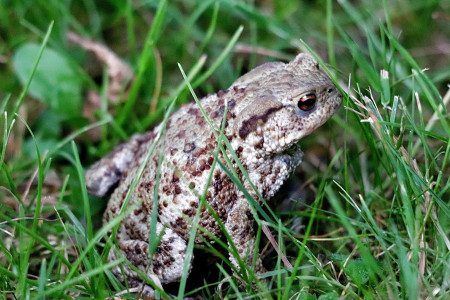
Frogs and toads may not be the first creatures gardeners think about inviting into their yard. However, they are among the most helpful allies you can have.
These quiet hunters are often most active at night and help control pests. They also support a balanced garden ecosystem, all without extra work from you.
Some frogs and toads can eat large numbers of insects and other small pests over time [1], making them powerful natural pest managers. If you want to support natural pest control in your garden, encourage some frogs and toads.
The Benefits of Having Toads and Frogs in the Garden
Both frogs and toads provide valuable services in the garden.
1. Natural Pest Control Experts
One of the greatest benefits that frogs and toads bring to a garden is natural pest control. Most adult frogs and toads eat insects and other small animals that commonly damage plants.
At night, they hunt and eat slugs, snails, beetles, and caterpillars. They also consume flies, grasshoppers, ants, and cutworms.
They often hunt after sunset, when many garden pests are active. This allows them to feed on some pests while they are damaging plants.
2. May Help Control Mosquitoes
Adult frogs and toads may eat mosquitoes and other flying insects. However, mosquitoes are not usually their main food.
Some species of tadpoles may also eat mosquito larvae. However, this depends on the species and the food available.
To help prevent mosquitoes, keep water features clean and avoid containers of stagnant water.
3. Show That Your Garden Provides a Good Habitat
Frogs and toads are highly sensitive to pollution and chemicals because they absorb moisture through their skin [2].
When they visit your garden, it often means the area has food, moisture, and places to hide. Their sensitive skin also makes them vulnerable to pollution and harmful chemicals.
4. Support the Garden Ecosystem
Frogs and toads are part of the natural food web. They eat insects and other small animals, while their waste returns a small amount of nutrients to the environment.
Their biggest benefit to gardeners, however, is helping control pests.
5. Protect Seedlings
Young plants and seedlings are particularly vulnerable to nighttime pests. Slugs, beetles, and cutworms often attack tender growth after dark.
Frogs and toads may help by eating some of these pests while they are active at night. This can reduce some damage to leafy greens, herbs, and newly planted vegetables.
How to Attract Frogs and Toads to Your Garden
Creating a frog-friendly garden begins with meeting three basic needs: water, shelter, and safety.
Provide Water
Water is especially important for many frogs because they need water or moist places to reproduce and keep their skin from drying out. Toads often spend more time on land but still need access to moisture.
A large pond is not necessary. A small water feature, shallow basin, or container pond can attract amphibians if it provides safe water, easy access, and safe exit points.
Keep the water clean and free from pesticides, soaps, and other chemicals. Avoid letting small containers of water sit stagnant for long periods, as they can attract mosquitoes. Adding stones or gently sloped edges also allows frogs and toads to climb in and out comfortably.
Provide Shelter
Many frogs and toads seek cool, damp places to hide from heat and predators during the day. Gardens with leaf litter, logs, rocks, or thick ground cover offer cool, safe spots for them to rest.
An overturned clay pot with a wide opening can create a cool hiding place.
Reduce Chemical Use
Reducing chemical use is one of the most critical steps in attracting frogs and toads. Because their skin readily absorbs toxins, pesticides, and herbicides can harm or repel them [3].
Use pesticides and herbicides only when necessary, and follow the label carefully. Even some natural or organic pest-control products can harm amphibians.
Grow More Plants
A variety of plants can provide shelter and may attract insects and other small animals that frogs and toads eat.
Dense vegetation, native plants, and layered planting designs provide cover. They also allow amphibians to move safely through the garden.
Limit Outdoor Lighting
Bright outdoor lights can change nighttime conditions for frogs and toads. Lights may attract insects, but too much artificial light can also disturb natural animal behavior.
Use outdoor lights only when needed, and choose softer lighting when possible.
Keep the Garden Safe
Frogs and toads should be able to move around safely. They can become trapped in deep containers, buckets, drains, and other garden items.
Cover deep openings, such as drains and containers, or provide a way for animals to escape. This can help prevent accidental injuries.
Handle Them as Little as Possible
Frogs and toads have sensitive skin. If you need to move one, wet your hands first and handle it gently.
Avoid touching your eyes or mouth afterward, and wash your hands when you are finished.
It is usually best to watch frogs and toads without picking them up.
Add a Small Garden Pond
Adding a small garden pond can also increase your chances of attracting frogs and other amphibians.
However, avoid adding fish. Many fish species eat tadpoles, which can lower frog populations.
FAQ
What’s the Difference Between Frogs and Toads?
Although frogs and toads are both amphibians, they differ in a few ways [4].
Frogs often have smooth, moist skin and long legs for jumping. They commonly live near ponds, streams, or other wet places.
Toads usually have drier, bumpier skin and shorter legs. They often spend more time on land and may move by walking or taking short hops.
Both frogs and toads need moisture. They may hide in soil, mulch, or beneath plants during the day.
Are Frogs and Toads Safe for Gardens?
Yes, frogs and toads are safe for garden plants. Most do not eat vegetables, chew leaves, or damage roots.
Their diet primarily consists of insects and small pests. This makes them beneficial residents rather than threats.
Takeaway
Encouraging frogs and toads can support natural pest control and a healthy garden ecosystem. Over time, they may help reduce some insect pests in your garden.
By providing water, shelter, and a safe space with limited pesticide use, you can invite these natural pest controllers to stay and thrive.




Add comment