

 Andre Campbell
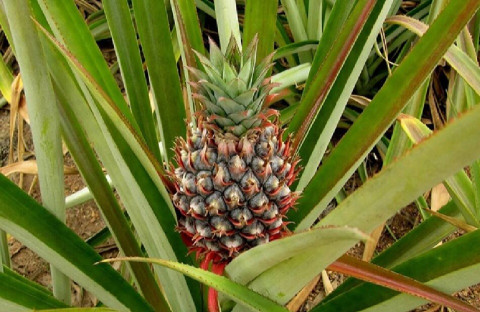
Pineapples grow on leafy plants, not trees. You can grow a plant from the top of a store-bought pineapple. You can also try growing one from seed, but seeds are uncommon in store-bought pineapples.
Pineapple plants need warmth, plenty of light, and well-draining soil. They also need patience. It may take years to harvest a fruit.
How to Grow a Pineapple From a Top
Choose a pineapple with healthy green leaves. You will need a pot with drainage holes and a well-draining potting mix.
Cut off the leafy top. Trim away any fruit left on its base, since it may rot. Pull off a few of the lowest leaves to expose a short piece of stem.
Leave the top in a shady, airy place for a few days so the cut end can dry. Then plant the exposed stem in the potting mix. Gently press the mix around it to hold the top upright. Keep the leaves above the soil.
Water the mix and let any extra water drain out. Place the pot in a warm spot with bright, indirect light while roots form. Rooting often takes about five to eight weeks. Once the plant has rooted, move it into direct sun gradually [1].
You can also start a top in a loose rooting material, such as coarse sand, and move it into potting mix after roots grow [2].
How to Grow a Pineapple From Seed
Most store-bought pineapples have no seeds. Seeds may form when flowers from different pineapple varieties are pollinated. Growing from seed is possible, but starting with a top is easier [3].
If you find seeds inside a pineapple, carefully remove them and wash away the fruit. Place them in a shallow container of moist seed-starting mix or clean sand. Cover them only lightly, and keep the container warm. Check it often so the mix stays moist but not soaked [4].
Not every seed will sprout. If seedlings appear, give them plenty of light. Move each one to its own small pot when it has several leaves and is large enough to handle. A plant grown from seed may differ from the pineapple it came from.
How Much Sun Does a Pineapple Plant Need?
Once established, a pineapple plant grows best in full sun. Choose a sunny spot outdoors, away from the shade of trees and buildings. Shade can slow growth and lead to smaller fruit [3].
If your plant is indoors, place it by your sunniest window. Indoor plants may grow more slowly because they get less light. When moving a plant outside, give it more direct sun gradually so its leaves can adjust.
Pineapples grow best in warm weather. Cool temperatures can slow their growth, and frost can harm them. Bring a potted plant indoors before freezing weather arrives [3].
How to Water a Pineapple Plant
Check the soil before watering a potted pineapple. Water when the surface begins to feel dry, then let the extra water drain out. Do not leave the pot standing in water.
Pineapples can handle short dry spells, but growth may slow if they stay dry for too long. Soil that stays wet can harm the roots. A plant growing in the ground may need water during a long dry spell [3].
Fertilizing Pineapple Plants
Once a newly planted top has rooted and started growing, feed it lightly with a balanced fertilizer. Follow the package directions and avoid overusing it.
If the leaves change color, check the soil moisture, light, and growing conditions before adding more fertilizer. The problem may have another cause [3].
Growing Pineapples in Containers or Indoors
A pot is a good choice if you have little garden space or need to bring your plant indoors during cold weather. You can start a top in a 6- to 8-inch pot. Move it to a larger pot as it grows. A mature pineapple plant can grow in a 3- to 7-gallon container [1, 3].
Use a well-draining potting mix. Give the plant a sunny spot and room for its long leaves. Some varieties have sharp leaf edges, so place the pot where people will not brush against it.
If you plant a pineapple in the ground, choose a sunny spot where water does not collect after rain.
Pineapple Pests and Diseases
Mealybugs and scale insects can feed on pineapple plants. Check the leaves, especially near their bases, for these small pests. Look over a pineapple top before you plant it, too.
Ants may protect mealybugs, allowing their numbers to grow. Mealybugs can also help spread a disease called pineapple wilt.
Root and heart rots are other problems to watch for. Plant pathogens cause these diseases, and wet conditions can increase the risk. Plant pineapples in well-draining soil, and avoid leaving pots in standing water [5].
Learn more about natural ways to control mealybugs and other garden pests.
How Long Does It Take to Grow a Pineapple?
In warm growing conditions, a pineapple may be ready to pick about 18 to 24 months after planting. In cooler or less sunny conditions, it may take 18 to 36 months or longer. A pineapple grown indoors may take several years and may produce only a small fruit.
After the plant starts to flower, the fruit usually takes another five to seven months to reach harvest. That fruit-growing time is part of the total time from planting to harvest [3].
A pineapple plant usually produces one main fruit. After you pick it, you can leave a healthy new shoot on the plant to grow another fruit later.
How to Harvest a Pineapple
Many pineapples begin to turn yellow from the bottom upward as they become ready to pick. A ripe fruit may also have a pleasant pineapple smell. Look at both signs, since color can vary.
Cut the pineapple from its stalk with a clean knife. Let it become ripe on the plant, since it will not get sweeter after you pick it. You can save the leafy top to grow another plant [6].
How to Store a Harvested Pineapple
A whole pineapple can stay at room temperature for about two to three days. You can keep it in the refrigerator for up to five days. Store cut pineapple in a covered container in the refrigerator and use it within four days [7].
Refrigerate cut pineapple within two hours. If the air is hotter than 90°F (32°C), refrigerate it within one hour [8].
Common Pineapple Plant Problems
Why Are the Leaves Turning Yellow?
Yellow leaves can have several causes. First, check whether the soil stays wet. If it does, water less often and make sure the pot drains well. Some older leaves may also change color as the plant grows.
Why Are the Leaf Tips Brown?
Dry soil or strong wind may cause brown leaf tips. Check the soil and the plant’s location before changing how you care for it.
Why Is My Pineapple Plant Growing Slowly?
Pineapples grow slowly, especially in cool weather or shade. Give your plant warmth and plenty of light, and allow it time to grow.
Why Has My Pineapple Plant Not Made Fruit?
Your plant may still be too young. It must grow large enough to flower before it can make fruit. Warmth, sunlight, and good care will help it grow.
Takeaway
Growing a pineapple from a top is simple, but waiting for fruit takes patience. Start with a healthy top, use well-draining soil, and give the plant warmth and plenty of sun. With time and care, you may harvest a pineapple you grew yourself.


 Sasha Campbell



What about winter? Do I leave it outside?