

 Sasha Campbell
Mowing the lawn often produces clippings that you can use in the garden. Below, we will discuss what to do with grass clippings in the vegetable garden.
Benefits of Grass Clippings
Grass clippings are suitable for the garden because they contain some amount of nitrogen, potassium, and phosphorus [1]. These are essential nutrients for healthy plant growth.
Moreover, during decomposition, the clippings feed soil bacteria.
Leaving them on your lawn (grasscycling) is another benefit. The clippings will seep into the soil as they decompose, making it more fertile.
Preventing soil erosion is another advantage of recycling clippings. Finally, and not least important, is the benefit of providing free organic mulch to use around the garden.
Using It as Mulch
Mulching grass clippings in the garden has several advantages.
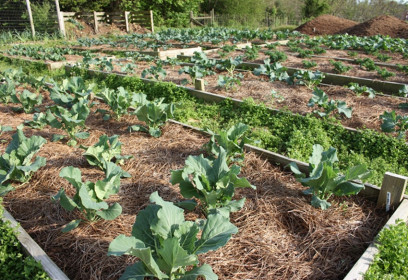
You can spread them around crops in the vegetable garden or any plant area to suppress weeds, retain moisture, and nourish the soil.
Moreover, regulating soil temperature is essential, and grass mulch can help. Grass clippings decompose in soil fairly quickly, unlike bark and wood chips.
Furthermore, grass clippings used as mulch serve as a supplemental fertilizer. It also keeps some pests at bay.
How to Prepare and Store Grass Clippings
Wet clippings can turn into a gooey mess and cause more harm than good. They can mat down, preventing moisture and oxygen from reaching the soil.
Dry lawn clippings, on the other hand, are safer to use and will not harm your garden.
After cutting the grass, leave the clippings out for a day to dry a bit. Next, collect them with a grass rake for storage or use them right away.
The sun will fade the top layer, but underneath, there is a layer with the sweet scent of hay, ready for gardening.
When dried, pitchfork them into a wagon or wheelbarrow and place them in your garden beds around vegetables or flowers.
To store them longer, bag them, remove the air from the bags, and place them in a dry area for future use. They can last up to two years if properly stored.
How to Use
Apply in thin layers in the vegetable patch or around ornamentals. You can also fork the dry clippings around the trees.
For the lawn, the windrow method is usually applied. Garden tools, like a lawn sweeper, can help with this task.
Windrowing means raking the clippings into rows or bales so you can easily collect them. After leaving them out for a while, flip the bales so the other side gets some sun.
Spread the collected material in rows between crops and around other plants. Make it about 1-2 inches thick.
You can use the clippings as mulch to prevent new weeds from growing and to suffocate existing ones.
Apply to damp soil, then press the clippings slightly to prevent them from being scattered by the wind. You can also lightly water them with sprinklers to keep them down.
What to Avoid
There are a few downsides and concerns when using grass clippings.
Always remember not to take clippings from lawns treated with pesticides or herbicides. The mulch made from these clippings can harm your plants.
Those chemicals can kill vegetable crops. They may also be a source of toxins in foodstuffs for the table.
Additionally, it may be tempting to pile the mulched grass thickly. However, this could result in clumping, preventing air and moisture from getting to the plants.
This is especially true around tree bases, where a ring of earth should be left clear so the trunk can breathe.
Thick clumps can also look unsightly on lawns and around flower beds. A fine layer of grass cuttings can look very attractive while also being beneficial.
Keeping the stored cuttings dry avoids the unpleasant smell of soggy, rotting grass.
Other Uses for Lawn Clippings
What else can you do with grass clippings?
- Composting. Lawn clippings are a good source of nitrogen to add to other organic materials in a compost pile. When paired with carbon-rich materials, nitrogen levels aid in the breakdown process. This later turns into a good soil amendment.
- Add to your vegetable garden beds. Use it as a nutritious top dressing for raised beds.
- Make liquid fertilizer. Fresh grass cuttings steeped in water for 1 to 4 weeks, then strained, will yield a high-quality liquid fertilizer to spray on and around plants [2]. Moreover, it is very mild and will not burn the plants.
- Livestock feed. While not all livestock can handle fermented grass, cows can be fed fresh cuttings. It is also more digestible than hay.
- Leave it on the lawn. A light layer can help improve lawn condition, as it is an excellent source of nitrogen.
Mowing the lawn requires time and effort. However, the garden and gardener can benefit from the lawn clippings in various ways.



Add comment