

 Sasha Campbell
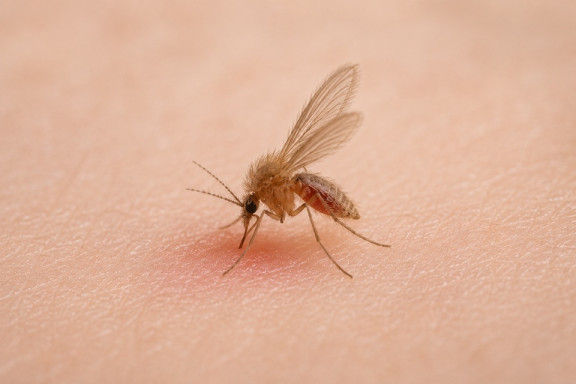
Sand flies, often found in sandy and marshy areas, can be a real nuisance. They are tiny, but their bites can be irritating.
Fortunately, there are several natural methods to manage and reduce their presence. Whether you’re dealing with sand fly bites around your home, garden, or while spending time outdoors, these natural solutions can help.
Identification
Sand flies are tiny biting insects that are most active at dusk and during the night.
Some people incorrectly refer to them as biting midges. Other names sand flies go by include sand gnats and punkies.
Their bites can cause itching and swelling, and in some cases, transmit diseases such as leishmaniasis [1]. Because sand fly bites can be uncomfortable and persistent, many people look for natural ways to keep these insects away.
Signs of sand fly activity include frequent, itchy bites that may develop into skin sores. You may also notice these tiny flying insects around sandy or damp areas, like beaches and mangroves.
How to Get Rid of Sand Flies Naturally
Below are several home remedies for sand flies and natural sand fly repellent options that can help reduce bites.
1. Vacuuming
Vacuuming can help remove adult sand flies that have entered your home. While sand flies usually breed outdoors, regular cleaning can help reduce indoor insect activity.
2. Steam Cleaning
Steam cleaning can help eliminate insects hiding in fabrics and cracks around the home.
While sand flies generally breed outdoors, this method may help reduce indoor insect populations that have entered the house.
3. Natural Predators
Encouraging natural predators is also a great way to manage sand flies. Birds, spiders, ants, and other insect-eating creatures may feed on sand flies or their larvae [2].
Creating a welcoming environment for these predators can help keep sand fly numbers in check.
4. Neem Oil
Neem oil is a natural insect repellent that can be effective against sand flies. Its strong scent and properties repel insects.
To use neem oil for sand flies, we’re going to use the same recipe that we use for repelling mosquitoes.
Just mix a few drops of cold-pressed neem oil with a carrier oil such as coconut oil and apply it to exposed skin. This solution may help reduce the risk of sand fly bites.
5. Citrus Juice
Citrus scents may help discourage sand flies in some situations.
Therefore, some people use diluted citrus juice as a DIY repellent by spraying it in areas where sand flies are a problem. However, it may not be as effective as other natural repellents.
6. Lavender Oil
Lavender oil is known for its calming fragrance, but it also acts as a natural deterrent for sand flies.
Just mix lavender oil with witch hazel (1:10 ratio) and spray it on your clothes.
7. Seal Cracks and Gaps
Sand flies can enter your home through cracks and gaps in doors, windows, and walls.
They may rest in cracks, crevices, and other sheltered locations during the day. Therefore, sealing openings can help prevent their entry.
8. Fine-Mesh Screening
Installing fine-mesh insect screens on windows is a simple but effective way to keep sand flies and other flying insects out.
Use fine-mesh insect screens designed to exclude tiny biting insects. Also, ensure the screens are free of holes and properly fitted to prevent these insects from entering.
9. Trim Your Grass Regularly and Get Rid of Weeds
Sand flies thrive in cool, moist areas.
Keeping your lawn well-trimmed and removing weeds from your yard and garden can reduce the places where sand flies might hide.
Doing so also helps reduce moisture, which is another factor that attracts sand flies.
10. Get a Flyswatter
For immediate relief, a flyswatter can be a handy tool to get rid of sand flies you see around. It’s a simple and effective way to manage a small number of sand flies inside your home.
11. Coconut Oil
Coconut oil can be used as an insect repellent for these pests. It may provide limited repellent effects and is often combined with essential oils for better protection.
Apply this potential sand fly repellent to exposed skin, like a lotion.
12. Eucalyptus Oil
Eucalyptus oil is another essential oil that works well against sand flies.
You will use it just the same as you would lavender oil. Combine eucalyptus oil with witch hazel (1:10 ratio) and spray it on your clothes.
13. Orange Peel
Orange peel contains natural oils that sand flies find unpleasant. You can place orange peels in areas where sand flies are a problem.
You can also use them to make a homemade sand fly repellent spray by boiling some peels in a cup of water on low heat for about 10 minutes.
Use the solution to mist problem areas around the home and anywhere you are sitting outside.
14. Diatomaceous Earth
Diatomaceous earth may help reduce immature insect populations in dry areas. However, its effectiveness against sand flies is limited compared to other control methods.
It works by dehydrating insects upon contact.
15. Use Fans Outdoors
Sand flies are weak fliers.
A simple box fan or oscillating fan on a porch or patio can greatly reduce biting activity.
16. Wear Protective Clothing
Wearing long sleeves, pants, and socks can reduce your exposure to sand fly bites. Light-colored clothing is also less attractive to sand flies than dark colors.
17. Sleep Under Fine-Mesh Nets
If sand flies are a problem in your area, sleeping under a fine-mesh insect net can help prevent bites while you sleep. Make sure the mesh is small enough to exclude tiny biting insects.
This is one of the most effective non-chemical prevention methods.
18. Reduce Moist Organic Matter
Sand flies often breed in various places, including:
- Leaf litter
- Compost
- Rotting vegetation
- Animal waste
- Damp soil
These habitats provide the right conditions for their development. Removing these breeding habitats is often more effective than many of the remedies listed.
19. Avoid Peak Activity Times
Sand flies are usually most active around dawn, dusk, and during the night.
Therefore, limiting outdoor activity during these times can reduce the risk of bites.
Takeaway
By using these natural methods, you can effectively manage and reduce sand fly populations in and around your home.
The most effective approach is to combine personal repellents, protective clothing, habitat reduction, and physical barriers such as fine-mesh screens. Together, these methods can greatly reduce sand fly bites and activity around your home.




Add comment