

 Sasha Campbell
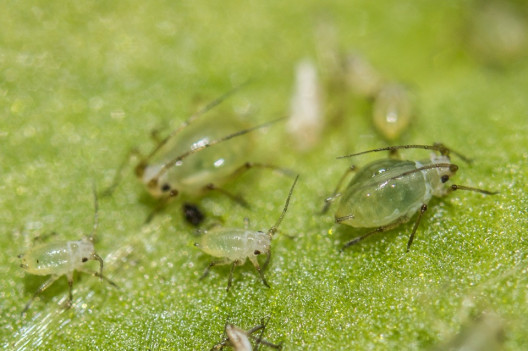
Green peach aphids are tiny insects that feed on many garden plants. They are often pale green, but some are pink. You may find them on young leaves and stems.
A few aphids may cause little harm. Large groups can make leaves curl and slow plant growth. Green peach aphids can also spread plant viruses, so check your plants often [1].
What Damage Do Green Peach Aphids Cause?
Green peach aphids drink plant sap. When many feed on a plant, young leaves may curl or turn yellow. Aphids also leave behind a sticky liquid called honeydew [1, 2].
The harm depends on the plant and the number of aphids.
Even a small number can be a concern when plant viruses are present. Aphids can spread a virus as they feed, before you notice damage to the leaves.
Which Plants Do They Feed On?
Despite their name, green peach aphids do not feed only on peach trees. They also feed on crops such as peppers, tomatoes, potatoes, and cabbage.
Look at young growth and under leaves, where aphids may gather [1, 3].
How to Control Green Peach Aphids Naturally
You may not need to treat a plant with only a few aphids. Look for growing groups of aphids, damaged leaves, and helpful insects that are eating them.
If aphid numbers rise, try the steps below.
1. Remove Old Crop Debris
After harvest, clear away old crop debris. This can remove sources of plant viruses that aphids might spread to new crops.
Cleanup does little to control the aphids themselves. In some areas, green peach aphids spend the winter on peach trees [1, 4].
2. Use Yellow Sticky Traps to Spot Winged Aphids
Place yellow sticky cards near your plants and check them each week. They can help you spot winged aphids arriving in the garden.
The cards are mainly a way to watch for aphids. They will not remove the groups already feeding on leaves. When you find aphids on a card, check your plants closely.
3. Prune Badly Infested Growth
If aphids cover only a few leaves or shoots, you can cut off those parts. Remove them from the garden.
Do not cut off so much growth that you weaken the plant. For small groups of aphids, a spray of water may be enough.
4. Wash Aphids Off With Water
Use a firm spray of water to knock aphids off leaves and stems. Aim under the leaves, too.
Spray gently enough that you do not break young shoots. Check the plant again in a few days and repeat if needed [5].
5. Try Reflective Mulch
Silver reflective mulch can help keep winged aphids away from young plants. Put it in place before planting.
It works best early in the season. Once leaves cover much of the shiny surface, it becomes less useful.
Reflective mulch may also help delay some viruses spread by aphids [1, 6].
6. Remove Weeds That Harbor Aphids
Some weeds give green peach aphids a place to feed between crops. Remove weeds near your plants, especially if you find aphids on them.
Weeding can help, but winged aphids may still fly into your garden [3, 7].
7. Help Insects That Eat Aphids
Lady beetles, lacewing larvae, and hoverfly larvae eat aphids. Tiny parasitic wasps can help, too.
Grow flowers that give helpful insects food and shelter. Sweet alyssum is one choice.
Avoid broad-spectrum insecticides, which can kill helpful insects. These insects may take time to bring a large aphid group down [1, 8].
8. Use Insecticidal Soap
If aphid numbers keep growing, choose an insecticidal soap labeled for aphids and for the plant you want to treat.
Spray the aphids directly, including those under leaves. Follow the label for how much to use and when to spray again.
Skip homemade mixes of dish soap and water. Household soaps vary and can burn plant leaves [3, 9].
9. Consider Pyrethrin Only When Needed
Pyrethrin is a pesticide made from certain chrysanthemum flowers. Some products can control aphids, but they can also harm helpful insects and bees.
If you use pyrethrin, choose a product labeled for aphids and for your plant. Follow the label, especially when treating a food crop. Do not spray flowers where bees are feeding [10].
10. Use Horticultural Oil
Choose a horticultural oil labeled for aphids and for your plant.
It can help control aphids when the spray touches them. Cover the infested parts of the plant, including the undersides of leaves.
Read the label before spraying. Oils can harm some plants, especially when used in hot weather or on plants that need water.
You may need to spray again, following the label directions.
11. Check Plants Often
Check new shoots and the undersides of young leaves at least once a week. Check more often if you have already found aphids.
Finding a small group early gives you a chance to wash it off or remove an infested shoot. Look for lady beetles, lacewing larvae, and other insects that may already be helping.
Takeaway
The goal is to keep aphid numbers low enough to keep your plants healthy. Check plants often, wash off small groups, and protect insects that eat aphids.
If aphids keep building up, an insecticidal soap or horticultural oil labeled for your plant may help. Follow the product directions, even when a pesticide comes from a natural source.




Add comment