

 Sasha Campbell
As the gardening season arrives, the thought of the ground moles you may have to deal with is a significant concern.
Moles’ underground digging can damage your garden and lawn.
Know the early signs. Also, be ready with all-natural solutions to keep them out of your vegetable garden.
Identification
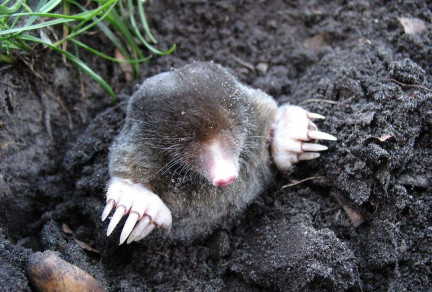
Mole pests are small mammals that spend their lives burrowing underground for food (such as spiders, earthworms, and grubs).
One sign that you may have moles in your yard or garden is raised mounds of dirt. These molehills may appear throughout your yard as the creatures dig underground in search of earthworms, grubs, and other insects.
Additionally, damage can be seen from the displacement of the roots of small plants and seedlings in vegetable and flower beds. As they tunnel through, you may also notice patches of discolored or dead grass [1].
How to Get Rid of Ground Moles Naturally
Use your preferred method or a mix of these natural ways to remove moles from your garden and yard. These are home remedies, natural mole repellents, and traps.
1. Eliminate Grubs
Moles like to eat grubs and earthworms. Therefore, eliminating grubs can deter moles from your garden, yard, and golf course.
Beneficial nematodes and even soapy water can help eliminate grubs. Additionally, these other natural remedies can get rid of grubs.
2. Castor Oil
Castor oil is one of the best home remedies for controlling moles in vegetable gardens. Applied to the soil, it acts as a natural mole repellent.
Combine 6 ounces of castor oil with 2 tablespoons of dish soap and 1 gallon of water.
Shake well and spray the soil where the mammals appear. It will also keep away voles.
3. Repellent Plants
Daffodils, marigolds, garlic, castor beans, fritillarias, and caper spurge repel moles.
Plant these mole-deterrent plants around gardens and lawn edges. However, remember that castor beans and caper spurge are toxic to humans and pets [2, 3].
4. Holy Moley Mole Repellent
Holy Moley by St. Gabriel Organics is one of the best mole deterrent products. This mixture of castor oil and fuller’s earth creates a taste and smell that repels these pests.
Another big plus is that this product will not harm pets. You can also use it in organic vegetable gardens, flower beds, and lawns.
5. Victor Mole and Gopher Repellent
This natural product also repels ground moles, voles, gophers, and other burrowing animals.
Victor Mole and Gopher Repellent come in both liquid and granular forms. The liquid contains 100% castor oil, while the granular form combines castor oil and fuller’s earth.
Apply the product following the package instructions.
6. Chase Granular Repellent
Chase Granular is another product that uses castor oil as its main ingredient.
The product works. It will not kill moles, but it will cause digestive interruptions when ingested and also cause topical itching.
Apply it as you would other granular repellents, either by hand or with a spreader, following the package instructions.
7. Root Guard
This basket can deter these pests from your flower or vegetable gardens. Root Guard stops gophers and moles from digging near plant roots.
However, choose a basket that is one size larger than the plant’s root ball. The large basket will allow for growth while keeping the pests away.
You can also use the mini-baskets in pots.
8. Coffee Grounds
Applying fresh or used coffee grounds to tunnels in your yard may deter persistent moles and gophers. They do not like the smell.
Unfortunately, this method requires finding all the holes and applying the coffee grounds to them.
9. Dawn Dish Soap
This home remedy will not harm burrowing animals. Instead, the treatment will repel them, sending them elsewhere.
To get rid of garden moles, combine one part Dawn dish soap with three parts castor oil. Next, mix four tablespoons of the mixture with a gallon of water.
Shake well and pour the mixture into the tunnels to evict moles. You can spray your lawn with this homemade mole repellent to keep the creatures farther away.
10. Dig a Trench
Installing a barrier is another surefire way to get rid of moles without killing them.
Dig a trench about two feet deep and six inches wide around your garden or yard. Next, fill it with gravel, then cover the top with dirt.
Hitting this gravel barrier will force them to retrace their steps. It will stop them from digging.
11. Marshmallows
Although there’s no solid evidence, some people swear you can put marshmallows in mole holes to kill them.
It is said that the carrageenan in commercial-grade marshmallows is what does the trick. Because moles cannot digest carrageenan [4], it slows down their digestive system, later killing them.
12. Vinegar
Household vinegar is effective against many garden pests and can also be used to get rid of ground moles. However, it will not kill them.
Just pour some white vinegar into the mole holes. The smell will drive away the existing moles and deter new ones from moving in.
What Do Moles Eat?
These ground-dwelling creatures love to eat grubs, earthworms, centipedes, and insect larvae. All these food choices are found in the soil of gardens, lawns, and similar areas.
They dig into the ground for food and can consume almost their entire body weight in insects daily. Unfortunately, incessant burrowing can harm plant roots.
Ground moles do not snack directly on plants, but they cause root damage through their burrowing. However, if the plant exhibits direct damage from being bitten, this could be a gopher or vole, not a mole.
Takeaway
Now that you know how to get rid of a mole, be ready to deter them naturally as soon as the first mound of dirt appears.
Natural deterrents include smells like castor oil, mint oil, coffee grounds, and eucalyptus. They can be applied in various ways. Repellent plants are also effective.
Also, try the other natural mole-control methods listed above. You will then enjoy a garden free of these pests.



Add comment