

 Sasha Campbell
Cold weather does not mean you have to stop growing fresh herbs. Even when it is too cold to garden outside, you can grow many herbs indoors. A sunny windowsill, a few pots, and the right care can give you fresh leaves for cooking all winter long.
Growing herbs indoors is also a great way to save money. Instead of buying small packets of fresh herbs at the store, you can pick what you need right from your own plants.
15 Herbs to Try Growing Indoors in Winter
Some herbs grow well indoors with little effort. Others need more light, warmth, or care. Here are 15 herbs you can try growing indoors during winter, along with simple tips to help them grow.
1. Basil
Basil is a popular herb with soft, green leaves and a sweet smell. It tastes great in pasta, salads, soups, and homemade sauces.
Basil loves warmth and sunlight. Place your pot near a bright, sunny window so it gets plenty of light. Keep the soil lightly moist, but never leave the roots sitting in water.
Pinch off the growing tips just above a pair of leaves. This helps the plant grow more branches instead of becoming tall and thin.
Basil does not like cold air, so keep it away from drafty windows and doors. It also grows best in a warm room. [1]
2. Parsley
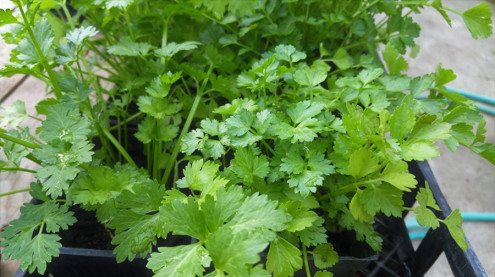
Parsley is a useful herb that adds fresh flavor to soups, salads, rice, and many other meals. You can grow both curly parsley and flat-leaf parsley indoors.
Parsley grows well in a pot with good drainage. It needs bright light, but it can handle a little less direct sunlight than some other herbs.
Keep the soil lightly moist. Do not let the pot become waterlogged. You can begin picking the outer leaves once the plant is well established. Leave the center of the plant so it can keep growing.
3. Chives
Chives are easy to grow and do not take up much space. They have thin, green leaves that taste a little like onions.
You can snip the leaves into eggs, baked potatoes, salads, and soups. Chives grow well in containers and can produce fresh leaves for a long time.
Place your pot near a bright window. Keep the soil slightly moist, but make sure extra water can drain away.
When you need some leaves, cut them about an inch or two above the soil. Avoid cutting all the leaves at once so the plant can keep growing.
4. Mint
Mint is one of the easiest herbs to grow indoors. It has a fresh smell and tastes great in tea, drinks, salads, and desserts.
Mint grows quickly, so it is best to give it its own pot. Its roots spread fast and can take over the space around other plants.
Place mint where it can get bright light. It can also handle some shade. Keep the soil lightly moist, but don’t let the roots sit in water.
Pick the leaves and growing tips often to encourage new growth. You can grow spearmint, peppermint, and other mint varieties indoors.
5. Cilantro
Cilantro, also called coriander leaves, is a favorite in many kitchens. The fresh leaves are used in salsa, soups, curries, and other dishes.
Cilantro grows best in cooler conditions than basil. It needs a pot with drainage and a bright spot with several hours of light.
Keep the soil lightly moist. Cilantro can flower and produce seeds when days get longer, or conditions get too warm. This is called bolting. When it bolts, the plant makes fewer leaves.
For a steady supply, plant a small new batch of seeds every few weeks. Cilantro grows quickly, so planting new seeds at different times can help you have fresh leaves for longer.
6. Thyme
Thyme is a small herb with tiny leaves and a strong, earthy smell. People often use it to season meat, vegetables, soups, and stews.
Thyme is a good choice for an indoor herb garden because it does not need a large pot. However, it needs plenty of light to grow well.
Place it near a sunny window, or use a grow light if your home doesn’t get enough sunlight. Let the top of the soil dry before watering again. Thyme does not like wet roots.
7. Oregano
Oregano is a useful herb for pasta sauces, pizza, roasted vegetables, and many other meals. It has a strong flavor, so a little can go a long way.
Oregano grows well in containers. Give it a pot with drainage holes and place it in a bright spot.
Allow the top of the soil to dry before watering. Too much water can cause root problems. Trim the stems from time to time to keep the plant full and bushy.
8. Rosemary
Rosemary is an evergreen herb with needle-like leaves and a strong, fresh smell. It is often used with potatoes, chicken, fish, and roasted vegetables.
Rosemary can grow indoors during winter, but it needs plenty of sunlight. A bright south-facing window is a good choice in the Northern Hemisphere. A grow light may help if natural light is limited.
Rosemary does not like soggy soil. Water it when the top of the soil begins to dry, but do not let the root ball become completely dry for long periods.
Make sure the pot drains well. Rosemary can be more difficult to grow indoors than some other herbs, so watch its leaves for signs of stress. [2]
9. Sage
Sage has soft, gray-green leaves and a strong, earthy flavor. People often use it in stuffing, soups, and meat dishes.
Sage can grow indoors in a container, but it needs a bright location. A sunny windowsill is best.
Use a pot with drainage holes, and let the soil dry slightly between waterings. Avoid watering too often.
Trim the plant lightly to encourage fresh growth, but do not remove too many leaves at once.
10. Lemon Balm
Lemon balm is a member of the mint family. Its leaves have a light lemon smell and can be used to make tea or add flavor to drinks and desserts.
This herb grows well in a container and can handle less direct sunlight than some other herbs. However, it still needs a bright spot to grow well indoors.
Keep the soil lightly moist. Trim the stems often to prevent the plant from becoming too large or leggy.
Like mint, lemon balm can spread quickly, so it is best grown in its own pot.
11. Marjoram
Marjoram has small, soft leaves and a mild, sweet flavor. It is often used in soups, sauces, vegetables, and meat dishes.
This herb grows well in a container with enough light. Place it near a sunny window and use a pot with good drainage.
Let the top of the soil dry a little before watering. Avoid keeping the roots too wet. You can pick small amounts of leaves as the plant grows.
12. Bay Laurel
Bay laurel produces the bay leaves used in cooking. Its leaves are added to soups, stews, sauces, and slow-cooked meals.
Bay laurel is a slow-growing plant, so it may take time to produce a large harvest. It can grow indoors in a pot, but it needs bright light and good air movement.
Use a container with drainage holes. Water when the top layer of soil begins to dry.
Make sure you are growing true culinary bay laurel (Laurus nobilis), not a plant that only looks similar. Bay laurel can need more light than some other indoor herbs. [1]
13. Dill
Dill has soft, feathery leaves and a fresh flavor. It is often used in salads, sauces, fish dishes, and pickles.
You can grow dill indoors from seed. It has a long root, so choose a deeper pot rather than a shallow one.
Place it near a bright window where it can get plenty of light. Keep the soil lightly moist, but do not let it become soggy.
Dill does not always respond well to being moved, so it is best to plant the seeds in the pot where you plan to grow it.
14. Chervil
Chervil is a delicate herb with soft, fern-like leaves. It has a mild flavor that is sometimes compared to parsley with a hint of anise.
It is often used in soups, salads, egg dishes, and sauces. Chervil can be a good choice for indoor growing because it prefers cooler conditions and can handle some shade.
Plant it in a pot with good drainage. Keep the soil lightly moist and place it where it will receive bright, indirect light or gentle sunlight. Avoid letting the soil dry out completely.
15. Lemongrass
Lemongrass is a tropical herb with long, narrow leaves and a fresh lemon scent. It is popular in teas, soups, and many Asian dishes.
You can grow lemongrass in a large pot indoors during winter. It needs warmth, bright light, and enough room for its roots to grow. Because it can grow quite large, it may need more space than smaller herbs.
Water it when the top of the soil starts to dry, but don’t let the pot stay waterlogged. If you grow it from a fresh stalk, choose one with a healthy base and some roots if possible.
Tips for Growing Herbs Indoors During Winter
Growing herbs indoors is not difficult, but winter brings a few challenges. Shorter days mean less sunlight, and indoor heating can dry out the air.
Here are some simple ways to help your herbs grow well.
Give Your Herbs Enough Light
Light is one of the most important factors when growing herbs indoors.
Many herbs need about four to six hours or more of direct sunlight each day. Some, including rosemary, thyme, and bay laurel, may need even more light. [1][2]
A south-facing window is often a good choice in the Northern Hemisphere. Turn your pots every few days so all sides of the plants receive light.
If your home does not get enough sunlight, use a full-spectrum grow light. Depending on the light and your plants’ needs, you may need to run it for about 12 to 16 hours each day. [1][3]
Choose Pots With Drainage Holes
Herbs need containers that allow extra water to drain away. Without drainage holes, water can collect at the bottom of the pot and damage the roots.
Use a good-quality potting mix made for containers. Garden soil is usually too heavy for indoor pots and may not drain well.
Most herbs grow best in their own containers because their needs differ.
For example, mint likes more moisture than rosemary. You can group pots together, but choose herbs with similar watering needs. [3]
Water Your Herbs Carefully
Do not water every herb on the same schedule. Some herbs like their soil to dry slightly between waterings, while others need more regular moisture.
Check the soil with your finger before watering. If the top feels dry, it may be time to water. If it still feels wet, wait a little longer.
Woody herbs such as thyme, oregano, and sage usually need the soil to dry a little before you water again.
Soft-stemmed herbs such as basil, parsley, cilantro, and chives often need more regular moisture. However, none of them should sit in soggy soil. [3]
Always empty extra water from saucers or trays. Roots need air as well as water.
Keep Herbs Away From Cold Drafts
Herbs grown indoors can be damaged by cold air from open windows and doors. Keep them away from cold drafts, but do not place them directly beside heaters or heating vents.
Warm, steady conditions and good air movement can help prevent problems. Basil is especially sensitive to cold, so keep it in a warm part of your home. [2]
Harvest Your Herbs the Right Way
Do not remove too many leaves at once. Young plants need time to grow before they can handle regular harvesting.
For many established herbs, leave at least half of the healthy growth behind when picking.
Use clean scissors to cut stems or leaves. Picking the outer leaves first can help some plants continue growing. [3]
Takeaway
Growing herbs indoors during winter is a simple way to keep fresh flavors close at hand.
Basil, parsley, mint, chives, thyme, and oregano are good herbs to try if you are just starting. With the right care, you can also grow rosemary, sage, cilantro, and several other herbs.
Start with two or three herbs that you use often. Give them enough light, use pots with drainage holes, and check the soil before watering.
With a little care, your indoor herb garden can keep producing fresh leaves even when the outdoor garden is resting.






Add comment