

 Sasha Campbell
There are likely plenty of edible weeds growing in your garden and backyard. However, only harvest those that you can positively identify.
Edible Garden Weeds
Below is a list of edible wild greens and weeds you might want to give a try.
1. Chickweed

Along with many other wild plants, common chickweed has nutritional value and a spinach-like flavor.
This attractive plant with tiny white flowers, broad leaves, and hairy stems is often seen on lawns and is chock-full of goodness.
All parts contain magnesium, potassium, calcium, and vitamins A and C. You can make chickweed pesto or add it to sandwiches, soups, and salads.
2. White Clover
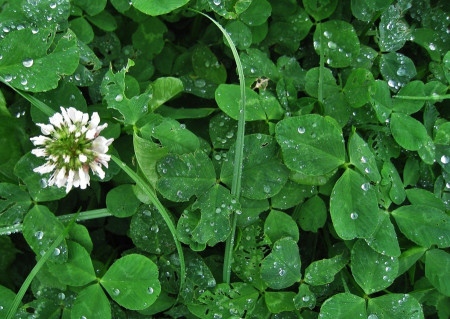
This common lawn weed attracts pollinators, such as bees, to the garden. It grows easily and abundantly, making a sweet tea.
You can also grind the flowers of this sweet plant to make flour. Alternatively, bake some edible clover-and-strawberry (or any berry) cookies.
Red clover is also edible. Another benefit is that both red and white clover make great cover crops.
Purchase clover seeds online.
3. Dandelion
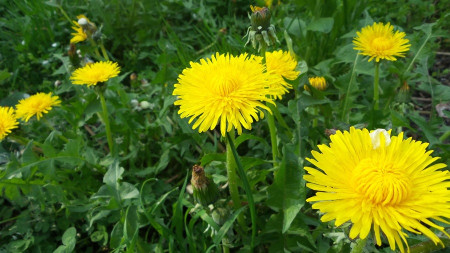 Image credit: “Common Dandelion (Taraxacum officinale)” by Sunasce007, via Wikimedia Commons, licensed under CC BY-SA 4.0
Everyone everywhere is used to the sight of dandelions. Some gardeners can’t stand them as they “spoil” the lawns.
Dandelions are considered weeds; however, they have many edible parts. You can eat the flowers and leaves steamed or have the roots roasted like carrots and root vegetables.
You can also eat the leaves raw when they are young and fresh. Moreover, add it to ice cream, jellies, or wine. Furthermore, bees love this edible backyard plant too.
Purchase dandelion seeds online.
4. Greater Burdock
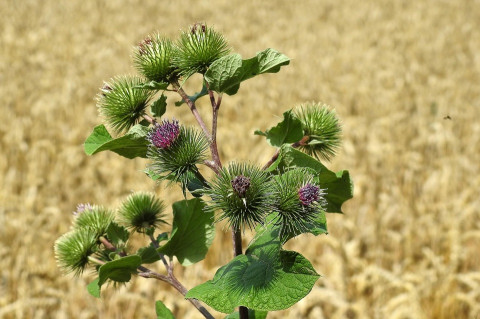
This sticky weed can be a real nuisance in the garden, but it can also add a tasty flavor to curries or be roasted alongside other root vegetables.
Moreover, fermented burdock roots and dandelion make an old-fashioned drink or beer [1], packed with vitamins.
However, you need to carefully identify this edible yard plant to avoid confusion with harmful weeds. Greater burdock has recognizable purple thistle-like flowers in season.
5. Stinging Nettle
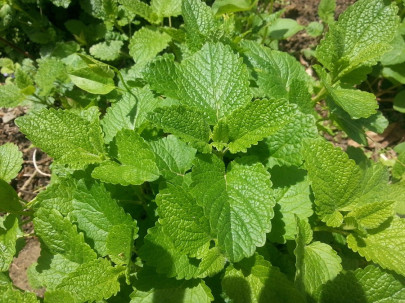
These are also common edible weeds in the garden, useful as culinary additives. Cooking will neutralize the sting, and the nettles will become a very tasty addition to sweet and savory dishes.
Cooks have long valued stinging nettle for its extra flavor in omelets or for adding it to vegetable-based cakes.
Moreover, stinging nettle can replace or supplement spinach in many recipes. They also add plenty of iron to the meal [2].
6. Lamb’s Quarters
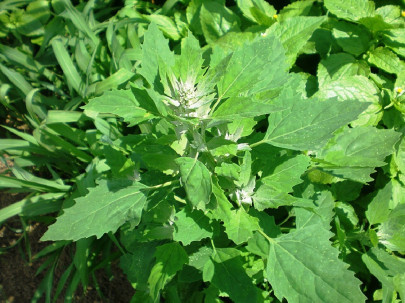 Image credit: “Chenopodium album” by Hugo.arg, via Wikimedia Commons, licensed under CC BY-SA 4.0
This is another kind of weed that humans can eat.
Lamb’s Quarters has many uses and can be substituted for other edible greens. However, blanch or cook it to reduce the oxalic acid content.
It is highly nutritious, containing B vitamins, iron, calcium, and protein. Additionally, you can easily recognize Lamb’s Quarters by the sharp-toothed leaves and white powdery patina on the plants.
Other common names include goosefoot, fat hen, and wild spinach.
7. Purslane
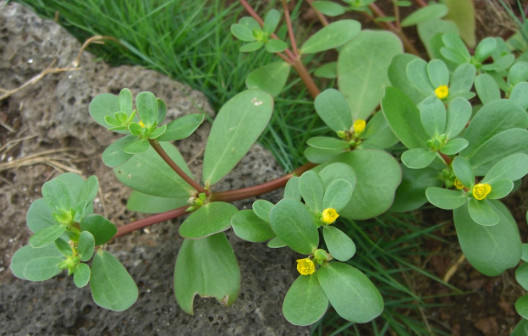 Image credit: “Common Purslane (Portulaca oleracea)” (cropped) by Jason Hollinger, via Wikimedia Commons, licensed under CC BY 2.0.
This is an edible backyard weed with small, oval leaves and yellow flowers. Purslane is mild and rich in nutrients.
The leaves, flower buds, and stems can be sautéed and added to seafood dishes or eaten on their own. You can also add them to green juice along with other greens.
Buy purslane seeds online.
8. Curly Dock
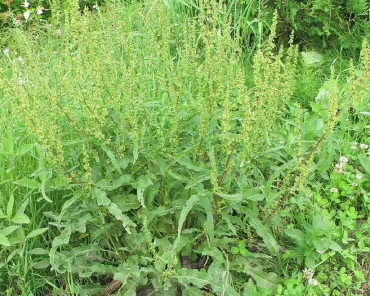
Image credit: “Rumex crispus” (cropped) by Gilles Ayotte, via Wikimedia Commons, licensed under CC BY-SA 4.0
All the dock species are edible. Curly dock usually grows near nettles. It has also been known for ages that the leaves give instant relief to nettle stings.
Cook the leaves in soups and other dishes, or eat them raw.
The young leaves have a slightly tart lemon flavor that you can use as a citrus alternative. However, they contain high amounts of oxalic acid, so eat them in moderation.
9. Broadleaf Plantain
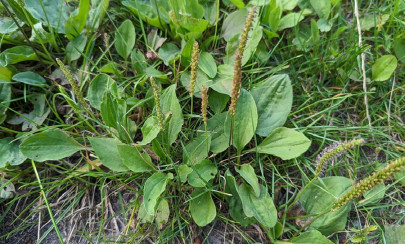
Image credit: “Greater Plantain (Plantago major)” by Michel Langeveld, via Wikimedia Commons, licensed under CC BY-SA 4.0.
Another backyard weed you can eat is broadleaf plantain. Big clumps of it can be quite invasive along paths, in flower beds, and on lawns.
Broadleaf plantain is very common. You can substitute it for spinach or kale in recipes that call for those vegetables.
Use the leaves and flower heads, but it’s best to pick them young for full flavor.
10. Garlic Mustard
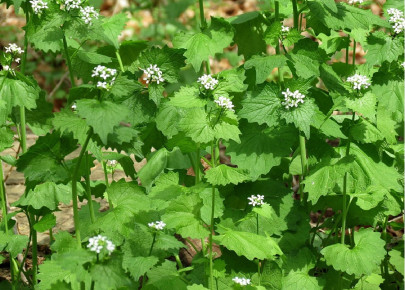
Picture credit: “Garlic Mustard (Alliaria petiolata)” by Katja Schulz, via Wikimedia Commons, licensed under CC BY 2.0
Garlic mustard is an invasive herb, but one that packs a punch in nutritional goodness. It contains vitamins A and C, as well as omega-3 fatty acids.
The mineral content also includes iron, calcium, manganese, selenium, and potassium.
Moreover, because it is garlicky and spicy, you can use it in many dishes, including pesto and chimichurri.
11. Sheep Sorrel
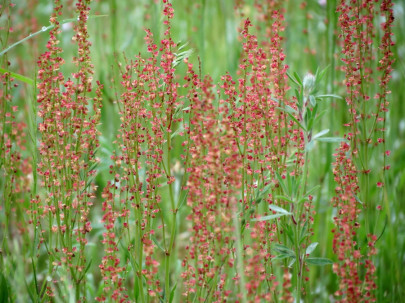
Image credit: Photo by Katja Schulz, via Flickr, licensed under CC BY 2.0
Sheep sorrel contains oxalic acid, which should be removed first before adding it to any dish. Blanching first and disposing of the water should remove a good amount of oxalic acid.
The edgy, lemony taste of the young stalks cuts through fatty meats like pork or lamb. Moreover, the leaves are arrow-shaped, making them easily identifiable.
12. Thistles
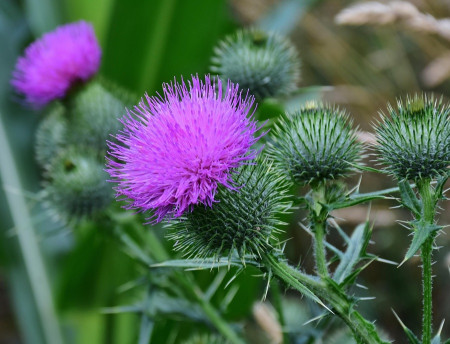
There are many species of this weed, and all of them are generally disliked by gardeners. However, all thistles in the genera Cirsium and Carduus are edible [3, 4].
All parts are edible, and you can eat them raw, steamed, or boiled. The beautiful purple heads also make a colorful display.
13. Sweet Violet
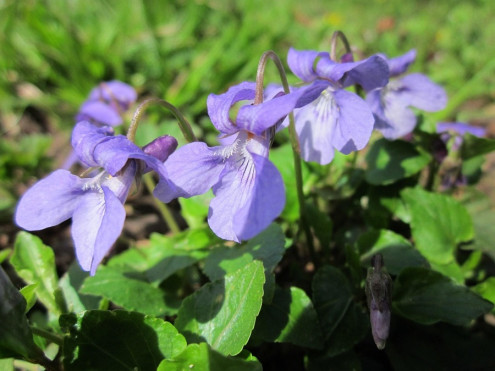
Among the wild edible plants in your yard, sweet violet (Viola odorata) is becoming popular in vegan cooking.
Both the leaves and flowers are fit for consumption; however, do not eat the seeds and roots, as they are poisonous.
Sweet violets are rich in vitamin C and have a sweet, sugary flavor. Use them to make teas, syrups, jams, or garnish salads. Look out for those blue, white, or purple flowers.
14. Ramsons
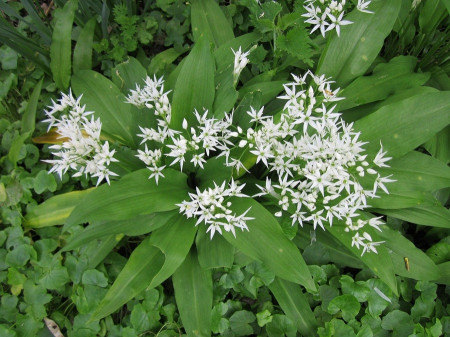
The leaves are edible and can be used in salads and sandwiches.
Ramsons, otherwise known as wild garlic, are also rich in vitamins A and C, calcium, and iron. Moreover, they are good for coughing and digestive problems.
15. Wild Amaranths
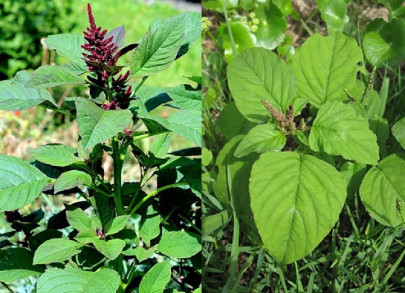
Image credits: “Amaranthus hypochondriacus” by Karelj, via Wikimedia Commons, licensed under CC BY-SA 3.0 | “Amaranthus viridis leaf” by Harry Rose, via Wikimedia Commons, licensed under CC BY 2.0.
All parts of wild amaranth (pigweed) are edible. These edible wild plants can be difficult to eradicate; however, you can put them to good use in the kitchen. Amaranth is also known as callaloo bush.
The young leaves are fine to eat raw in salads, and the older leaves can be steamed or used in a stir-fry. Moreover, all members of the genus Amaranthus are edible [4].
Purchase red amaranth seeds online.
16. Hairy Bittercress
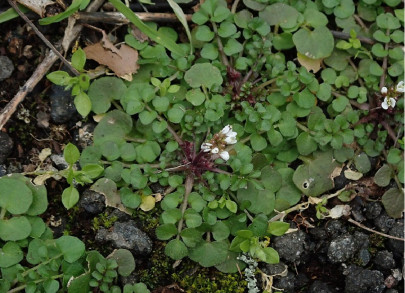
Image credit: “Hairy Bittercress (Cardamine hirsuta)” by Daniel Cahen, via Wikimedia Commons, licensed under CC BY 4.0.
Unlike most of these edible yard greens, this one is a cold-weather plant that you can add to winter salads and soups.
17. Common Mallow
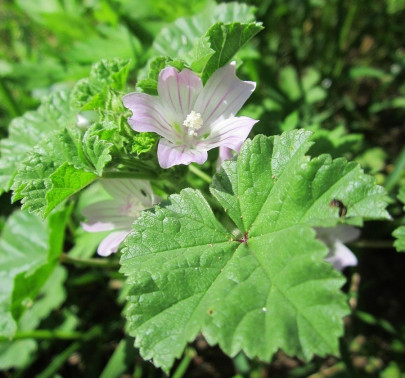
Common Mallow (Malva neglecta) is a frequently seen mauve-flowered wild plant that thrives in most places.
The leaves, flowers, stems, and seeds are edible. You can eat the young plants raw in salads. However, it’s best to steam or sauté mature plants.
Mallow is a source of vitamins A, B, and C, as well as calcium and magnesium.
Takeaway
Weeding is an unpleasant but necessary chore. Nonetheless, you can use it as an opportunity to forage for those tasty and nutritious wild edibles in your backyard.




Ages twenty through forty, I studied nutrition and herbology. Then I sold the books to pay bills. Without them, much has slipped my memory. Herbal information that others might provide, would be highly appreciated.