

 Sasha Campbell
Moles can leave raised tunnels and piles of soil across a lawn or garden. These signs may look alarming. However, one mole can make many tunnels, so a yard with a lot of damage may contain only one or two moles.
Moles stay active throughout the year. You may notice more surface tunnels in spring and fall when the soil is moist. At these times, earthworms and insects are often closer to the surface.
Moles rarely eat plants. Most damage happens when their tunnels lift grass, loosen seedlings, or expose plant roots. Learning how to identify mole activity can help you choose the right response.
This guide explains how to manage moles naturally and protect important parts of your garden.
Identification
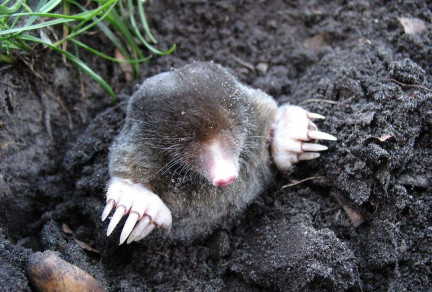
Moles are small mammals that spend most of their lives underground. They have pointed noses, tiny eyes, and wide front feet made for digging.
Moles eat earthworms, grubs, ants, spiders, and other small animals in the soil. They can eat nearly their own body weight each day [1].
Common signs of mole activity include:
- Raised ridges running across the lawn.
- Soft soil above shallow tunnels.
- Round or cone-shaped piles of loose soil.
- Seedlings or small plants pushed out of place.
- Grass roots that have lost contact with the soil.
Shallow feeding tunnels create the raised ridges seen across lawns. Molehills often form when a mole digs a deeper tunnel and pushes the extra soil to the surface.
Moles can damage lawns by tunneling, but they also help the soil. Their tunnels mix and loosen the soil. Moles also eat some insects and grubs.
Is It a Mole, Vole, or Gopher?
Make sure a mole caused the damage before choosing a control method.
Moles make raised ridges and round, volcano-shaped mounds. They rarely eat plants.
Voles are small rodents. They may use old mole tunnels and chew roots, bulbs, bark, and stems.
Gophers also eat plants. Their mounds are often flatter and shaped like a fan or crescent.
If roots or bulbs have tooth marks, a vole or gopher is more likely responsible. Treating a yard for moles will not always control these animals.
How to Get Rid of Moles in Garden and Yard Naturally
No natural method can promise to remove every mole.
Repellents may move a mole to another area, but the animal may return later. A new mole may also move into an empty tunnel system.
The following 12 steps and control options can help you limit mole damage and protect important garden areas.
1. Decide Whether Control Is Needed
A small number of tunnels may not require control. Moles live alone for most of the year, and one mole can make a large tunnel system.
If the damage is minor, level the molehills and press loose grass back against the soil. Water the area so lifted roots do not dry out.
You may need stronger control if tunnels create a tripping risk or keep damaging seedbeds and young plants.
2. Find the Active Tunnels
Many shallow feeding tunnels are used only once. Treating an old tunnel will not help.
Press down a short part of a raised ridge with your hand or foot. Mark the spot and check it the next day. If the ridge is raised again, the tunnel is active.
Long, straight tunnels are more likely to be regular travel routes. They often run beside a walkway, fence, wall, or garden edge.
3. Repair Fresh Damage
Press raised soil back into place as soon as possible. Gently firm the soil around plant roots and water the area.
Spread soil from molehills across the lawn or add it to a garden bed. Do not leave tall piles on grass because they may block sunlight.
Reseed bare spots after the mole activity has stopped or moved elsewhere.
4. Try a Castor Oil Repellent
Castor oil is one of the few natural mole repellents that has shown some useful results. However, it may work only for a short time, and results vary by mole species.
The repellent does not poison the mole. It makes the treated area unpleasant, which may encourage the animal to move.
For a homemade concentrate, mix:
- 6 ounces of castor oil
- 2 tablespoons of mild liquid detergent
- 1 gallon of water
This mixture is a concentrate. Do not apply it at full strength. Mix 1 ounce of the concentrate with 1 gallon of water before spraying it over the soil [2].
Moisten the ground with about half an inch of water before applying the repellent. After spraying, apply at least one inch of water to move the mixture into the soil. Avoid spraying it on plant leaves.
Treat the whole area you want to protect. A narrow line around the edge may not work because moles can tunnel under it.
Heavy rain or frequent watering may wash the repellent away.
5. Try Holy Moley Mole Repellent
This article contains affiliate links. We may earn a small commission if you buy through these links, at no extra cost to you.
A ready-made product may be easier to measure and apply than a homemade mixture.
Holy Moley Mole Repellent is a granular repellent made with castor oil and fuller’s earth. It is designed to make treated soil unpleasant to moles and other burrowing animals.
Spread it in stages so the mole has a clear path out of the treated area. Water the granules into the soil as directed on the package.
6. Apply Victor Mole and Gopher Repellent
Victor Mole and Gopher Repellent is sold in liquid and granular forms. Both forms use castor oil to discourage burrowing animals.
Check which form you have and follow its directions. Granules normally need to be watered into the ground. Do not treat the entire yard at once if the label directs you to apply it in stages.
7. Use Chase Granular Repellent
Chase Granular Repellent is another castor oil product. Apply it by hand or with a spreader, following the package directions.
Do not apply the linked Chase Granular product in vegetable beds or other places where food is grown. Use it only in areas allowed on the current label.
Keep all repellents away from children and pets while you apply them. A product described as natural can still irritate the eyes, skin, or stomach.
8. Install an Underground Barrier
A buried barrier can protect a small seedbed or valuable garden area. It is usually too costly and difficult to place around an entire lawn.
Use quarter-inch galvanized hardware cloth or solid metal sheeting. Bury the barrier about 24 inches deep. Leave about 6 inches above the ground and bend the bottom few inches outward [3].
Check hardware cloth from time to time. Damaged or rusty sections may need to be replaced.
A shallow trench filled only with gravel may not stop a mole. The animal may dig beneath or around it.
9. Protect Raised Beds
Before filling a new raised bed, place strong quarter-inch hardware cloth across the bottom. Join it firmly to the sides so there are no gaps.
This barrier can stop moles from entering the bed from below. It may also help keep voles and gophers away from plant roots.
Root baskets are more useful against voles and gophers because those animals eat roots. Moles may still tunnel around the outside of a basket.
10. Add Mole Mesh Under a New Lawn
Mole mesh is a strong plastic or metal net placed below the grass. It does not remove moles or stop them from tunneling below it. However, properly installed mesh can prevent them from reaching the lawn surface and making molehills.
Install the mesh before laying new sod or sowing grass seed. Place it at the depth given by the manufacturer. Join the sections carefully so the mole cannot push through a gap.
This method is best for a new lawn. Digging up an established lawn just to add mesh would take a great deal of work.
11. Treat Grubs Only to Protect the Lawn
This step protects grass from grub damage, but it should not be used as a direct mole-control method.
Moles eat grubs, but they also eat many earthworms and other soil animals. Removing grubs alone will usually not make moles leave. They may even dig more while searching for food [4].
Treat grubs only when you have confirmed that they are damaging the grass or plants. Do not apply a broad soil insecticide just because mole tunnels are present. These products may also kill earthworms and helpful insects.
Beneficial nematodes can control certain grub species. Choose a type made for the grub in your yard and apply it as directed. The soil must stay moist while the nematodes become active.
12. Use a Mole Trap Where It Is Allowed
Repellents may move moles for a while, but trapping is the most dependable way to remove an active mole [3].
Mole traps are mechanical controls, so they do not place poison in the soil. However, most mole traps are designed to kill the animal.
First, find a long, straight tunnel that the mole repairs after you press it down. Follow the trap directions carefully. Keep children and pets away from the area, and check the trap every day.
Wildlife rules differ by location. Check your local laws before trapping, handling, or moving a mole. If you are uncomfortable using a trap, contact a licensed wildlife-control professional.
Natural Mole Remedies That Do Not Work Well
Many mole remedies spread online without good proof that they work. Some may also damage plants or soil.
Avoid putting these materials into tunnels or molehills:
- Vinegar
- Epsom salt
- Coffee grounds
- Marshmallows or chewing gum
- Bleach or household cleaners
- Mothballs
- Broken glass or sharp objects
- Gasoline, kerosene, or car exhaust
Vinegar and household cleaners may harm plants and soil life. Mothballs are pesticides and should never be used in a way that the label does not allow. Fuel and sharp objects are dangerous to people, pets, wildlife, and the environment.
Plants such as caper spurge, also called mole plant, have not been proven to repel moles. Caper spurge and castor bean plants are poisonous and should not be planted as mole controls.
What Do Moles Eat, and Why Are They Tunneling?
Moles tunnel to find food. They mainly eat earthworms, grubs, ants, insect larvae, and other small soil animals.
Their shallow feeding tunnels may lift grass and loosen young plants. Deep tunnels serve as regular travel routes and nesting areas.
Moles rarely eat roots, bulbs, or vegetables. If plants have been chewed, look for voles, gophers, mice, or another pest. These animals may travel through tunnels that a mole made.
Takeaway
Moles can make a lawn look messy, but they rarely eat garden plants. Their tunnels may lift grass, disturb seedlings, and expose roots.
Start by checking whether the tunnels are active. Repair loose soil and water exposed roots. For a small garden area, a properly installed underground barrier may provide long-term protection.
Castor oil may encourage some moles to move, but it does not work every time. Follow product labels and expect to reapply it after heavy rain.
Skip unproven remedies such as vinegar, Epsom salt, coffee grounds, marshmallows, and mole plants. These methods are unlikely to solve the problem and may harm your garden.




Add comment