

 Sasha Campbell
Growing your own food is a smart way to prepare for hard times.
A home garden can provide fresh vegetables, filling meals, and food you can save for later. If you want to become more self-sufficient, start by growing the right crops.
Some foods spoil quickly, while others can last months when harvested and stored properly. Dry beans, corn, garlic, onions, and certain root crops are useful choices for building a home food supply.
This survival food list focuses on crops you can grow in your garden and store or preserve for later use. These long-shelf-life survival foods can help you prepare for food shortages, bad weather, or times when buying groceries becomes harder.
Best Survival Food List: 10 Crops to Grow
The following crops offer different benefits.
Some provide filling meals, while others can be dried or stored for months. Their shelf life depends on the variety, harvest conditions, and storage method.
1. Dry Beans
Dry beans are among the best crops for a survival garden. They provide protein, fiber, and other nutrients. They are also filling and work well in soups, stews, and rice dishes.
You can grow kidney beans, black beans, and other types suited to your climate.
Let the pods mature and dry on the plant when the weather permits. After harvesting, remove the beans from their pods and ensure they are thoroughly dry before storing.
Keep dried beans in clean, airtight containers in a cool, dry place. Properly dried beans can last a year or longer, though older beans may take longer to cook.
2. Sweet Potatoes
Sweet potatoes are valuable survival crops because their edible roots provide carbohydrates, fiber, and vitamins. They are especially useful in warm climates and can produce a good harvest when grown in suitable soil.
Harvest the roots carefully to avoid cuts and bruises. Curing them under warm, humid conditions helps the skin toughen and small wounds heal. This process can also improve their flavor.
After curing, store sweet potatoes in a dark place with good airflow and temperatures that aren’t too cold. Unlike regular potatoes, sweet potatoes can suffer damage when stored in a refrigerator.
Properly cured and stored sweet potatoes can last for several months. However, they need the right temperature and humidity to keep well [1].
3. Potatoes
Potatoes are filling crops you can boil, bake, roast, or add to soups. They provide carbohydrates that supply energy and can produce several tubers from one plant.
Choose varieties suited to your growing conditions. After harvesting, cure mature potatoes in a warm, humid environment for a short period to toughen their skins and help minor wounds heal.
Keep them in a cool, dark, well-ventilated place. Light can turn potatoes green and increase harmful compounds called glycoalkaloids. Discard potatoes that are extensively green or bitter instead of cutting away the green parts.
Potatoes can last for several months under suitable storage conditions. However, warm storage can cause them to sprout or spoil sooner [2].
4. Winter Squash and Pumpkins
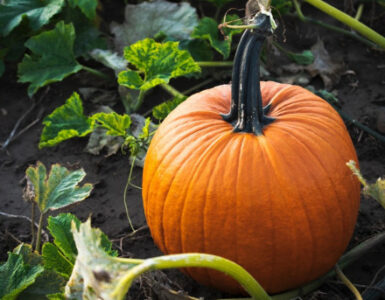
Winter squash and pumpkins are useful crops because their firm skins help protect the flesh inside. You can roast them, mash them, or add them to soups and stews.
Harvest mature fruits carefully, leaving part of the stem attached. Some winter squash varieties benefit from curing before storage, which helps harden the skin and heal minor wounds.
However, not every variety should be cured in the same way. Acorn squash, for example, generally should not receive the high-temperature curing treatment used for many other winter squash varieties.
Store healthy fruits in a dry, shaded, well-ventilated place. Different varieties have different storage lives. Some last only a few weeks, while others can last several months.
Choose varieties known for good storage life if you want to save part of your harvest for later meals [2].
5. Dry Corn
Dry corn is a useful survival crop because mature kernels can be dried and stored for later use. Depending on the variety and preparation method, you can grind the kernels into meal for porridge, bread, and other foods.
Let the ears fully mature before harvesting. Dry the kernels thoroughly and protect them from moisture and insects.
Store the dried grain in clean, airtight containers in a cool, dry place. Properly dried corn can last for many months and sometimes longer. Check stored grain regularly for insects, dampness, or mold.
For long-term storage, the corn must be dry enough to prevent mold growth. If you plan to store large amounts, use reliable guidance on safe grain moisture levels rather than guessing.
6. Onions
Onions add flavor to many meals, including soups, rice dishes, beans, and cooked vegetables. They are useful in a survival garden because a small amount can improve the taste of simple meals.
Choose storage varieties suited to your climate. After harvesting mature onions, let the outer skins and necks dry completely. This process is called curing.
Keep cured onions in a dry, well-ventilated place. Don’t seal them while they are still damp, because trapped moisture can cause rot.
Some storage onions last several months, though sweet varieties often last less time [3].
7. Garlic
Garlic is another useful crop for long-term food planning. It adds flavor to many dishes, so a small harvest can be useful for months.
Harvest mature bulbs and cure them in a dry, airy place until the outer skins and necks are dry. Store them in a basket or mesh bag that allows air to move around the bulbs.
Keep garlic away from damp areas and remove any bulbs that begin to rot. Properly cured garlic can last for several months, depending on the variety and storage conditions [3].
8. Cassava
Cassava is an important survival crop in many tropical regions. Its roots provide carbohydrates and can produce a large amount of food in suitable growing conditions.
Cassava grows well in warm weather and can tolerate some dry conditions once established. It is commonly planted using stem cuttings, making it possible to grow more plants from healthy planting material.
However, fresh cassava roots spoil quickly after harvest. This makes cassava different from dry beans or corn, which can be stored for much longer when properly dried. Harvest cassava when needed or process it promptly for longer storage.
Cassava also contains naturally occurring compounds that can release cyanide. It must be properly processed and cooked using a safe method before eating.
The right method depends on the variety, so don’t assume simple boiling alone makes every type safe [4].
9. Yams
Yams are filling root crops that grow well in many warm, tropical areas. They provide carbohydrates and can be boiled, roasted, or added to stews.
Choose varieties suited to your region, and give them enough space and support to grow well. Well-drained soil helps reduce the risk of root damage.
Harvest mature yams carefully to avoid cuts and bruises. Allow the skins to dry and heal as appropriate for the variety before storage.
Some yams benefit from curing, which helps wounds heal and can improve storage life.
Healthy, mature yams can last for weeks or months under suitable conditions. Keep them in a well-ventilated place and check regularly for signs of rot.
10. Dry Peas
Dry peas are useful additions to a survival garden because they provide protein, fiber, and other nutrients. Use them in soups, stews, and filling side dishes.
Choose varieties suited to your local climate. In warm tropical regions, pigeon peas and cowpeas may be more practical choices than garden peas, which often grow best in cooler conditions.
Allow the pods to mature and dry before collecting the seeds. Make sure the seeds are thoroughly dry before placing them in airtight containers.
Properly dried peas can last for a year or longer when protected from heat, moisture, and pests. Older peas may take more time to soften during cooking.
How to Build a Survival Food Inventory
Growing food is only one part of emergency preparedness. You also need to know what you have stored and when to use it.
A survival food inventory is a simple record of your food supplies. Write down each food item, the amount stored, and the date it was harvested or packed. Include notes about storage conditions and the expected shelf life.
Keep your inventory in a notebook or spreadsheet. Check your supplies regularly, remove spoiled food, and use older supplies first when they are still safe to eat.
Include a variety of food groups in your inventory. Dry beans and peas provide protein, while roots and grains supply energy. Other vegetables and fruits help provide vitamins and minerals.
How to Store Survival Foods With Long Shelf Life
Choosing the right crops is only half the job. You must also protect your harvest after picking it.
Remove damaged or diseased crops before storing healthy ones. Keep dry beans and grains fully dry, and protect them from moisture and insects. Cure onions and garlic before storing them.
Remember that not every crop needs the same conditions. Potatoes prefer cool, dark storage, while sweet potatoes need warmer conditions. Many winter squash varieties also need a dry, well-ventilated space, and some require curing before storage.
In hot, humid climates, keeping fresh crops for months can be difficult. Drying suitable foods and preserving them with tested methods can help extend their useful life.
Never eat food that shows signs of spoilage. Follow reliable food-safety instructions when drying, canning, or otherwise preserving your harvest.
Which Survival Food Crops Should You Grow First?
If you are starting a survival garden, begin with crops that grow well in your area. Dry beans, sweet potatoes, pumpkins, onions, and garlic are useful options. Cassava and yams are especially worth considering in warm tropical climates.
For a longer-lasting food supply, focus on crops such as dry beans, dry peas, and corn. These can be stored for extended periods when properly dried and protected from moisture and pests. Root crops such as cassava and sweet potatoes are also valuable, but they need more careful storage or prompt preservation.
Grow a mix of crops rather than depending on just one. Different plants provide different nutrients, and some may produce food when others are not ready.
Use this survival food list to plan your garden, and keep a survival food inventory to track your harvest and stored supplies.
Most importantly, practice harvesting and storing your crops before you need to depend on them. A garden that produces food you can safely preserve is a valuable step toward greater food security and self-sufficiency.




Add comment