

 Sasha Campbell
Growing your own vegetables can save you money and give you fresh food from your garden. The good news is you don’t always have to plant new seeds after every harvest. Some vegetables grow new leaves after you pick them, while others keep producing fruits or pods for weeks or months.
These vegetables, which you can harvest again and again, are a smart choice for home gardeners. With the right care, you can get more food from the same plants and make better use of your garden space.
Many of these crops are also known as cut-and-come-again vegetables. This means you can pick some leaves and let the plant keep growing. Other vegetables, such as tomatoes, peppers, and okra, produce new fruits or pods over time.
Keep in mind that not every vegetable produces all year. Weather, plant variety, and the care you give each plant affect how long it keeps producing. Here are 12 vegetables that can give you multiple harvests.
Vegetables That You Can Harvest All Season Long
Some vegetables produce for weeks or months, while others provide a shorter harvest. Choosing the right varieties and picking your crops at the right time can help you enjoy fresh vegetables for longer.
1. Leaf Lettuce
Leaf lettuce is a great choice for gardeners who want fresh greens without pulling up the whole plant. Instead of cutting off every leaf, pick the larger outer leaves and leave the small center leaves.
The center will continue to grow new leaves when the plant has enough water, sunlight, and suitable temperatures. This allows you to return to the same plant for more harvests.
Leaf lettuce usually grows best in cool weather. In hot conditions, it may flower and set seed too soon, which can make the leaves taste bitter. In warm climates, try growing lettuce during cooler months or in a spot that gets some afternoon shade.
2. Kale
Kale is a leafy vegetable that can provide several harvests from one plant. Once the plant is well established, pick the larger leaves from the bottom of the stem.
Leave the growing tip and the younger leaves at the top. These leaves help the plant continue growing and producing more food.
Kale grows best in cooler weather, although some varieties can handle warmer conditions better than others. Give the plants enough space, water them regularly, and check the leaves for caterpillars and other garden pests.
3. Swiss Chard
Swiss chard is another leafy vegetable that you can harvest more than once. Its colorful stems and broad leaves make it both useful and attractive in a home garden.
To harvest Swiss chard, cut the larger outer leaves near the base of the plant. Leave the small inner leaves so they can keep growing.
With regular watering and good soil, the plant can keep producing new leaves for a long time. Harvest only what you need, and avoid removing too many leaves at once. The plant needs enough healthy leaves to keep growing.
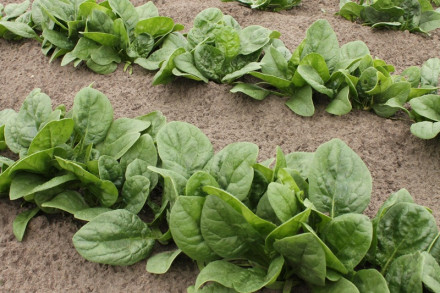
4. Spinach
Spinach can provide repeated harvests when you pick the outer leaves and leave the center of the plant growing. This gives you fresh greens without removing the entire plant.
For best results, harvest leaves when they are young and tender. Avoid cutting all the leaves at once if you want the plant to keep producing.
Spinach grows best in cool weather. Long days and warm temperatures can cause it to flower and produce seeds, a process called bolting. When this happens, leaf production often slows down [1].
If you live in a warm area, grow spinach during the coolest part of the year. You can also choose a slow-bolting variety, which may produce leaves for longer before flowering.
5. Arugula
Arugula, also called rocket, is a leafy green with a peppery taste. It grows quickly and can yield multiple harvests if you pick the leaves carefully.
Cut the larger outer leaves and leave the smaller leaves in the center. You can also trim some of the leaves when the plant has grown enough to support harvesting.
Arugula prefers cooler weather. Hot conditions can cause it to flower early and make the leaves taste stronger. For a steady supply, plant small amounts at regular intervals rather than planting all your seeds at once.
6. Green Onions
Green onions grow easily in garden beds, pots, and containers. You can harvest the green tops while leaving the roots and lower part of the plant in the soil.
Use clean scissors to trim the leaves, leaving enough green growth for the plant to recover. New leaves can grow from the remaining base.
Some green onions can grow new leaves after you trim them, as long as the roots and enough of the lower plant remain healthy. Regrowth depends on the variety and growing conditions. For a steady supply, plant new seeds or sets every few weeks.
Keep the soil moist but not waterlogged, and give the plants enough sunlight for healthy growth.
7. Okra
Okra is a warm-weather vegetable that can produce many pods over a long growing period. It is a useful choice for gardeners in hot climates because the plants need warmth to grow well.
Pick the pods while they are young and tender, often when they are about 3 to 5 inches long, depending on the variety. Large, old pods can become tough and woody [2].
Check your plants every day or two when they are producing well. Remove old, tough pods because they can limit further flowering and reduce your harvest. Okra needs warmth, sunlight, and regular water to produce a good crop.
8. Tomatoes
Tomatoes can provide repeated harvests because the plants often produce several fruits over time. Many varieties keep flowering and setting new fruits as long as growing conditions remain suitable.
Pick tomatoes when they reach the right color and ripeness for their variety. Handle them gently to avoid damaging the branches or nearby fruits.
Indeterminate tomato varieties continue growing and producing along their stems throughout the season when conditions are good. Determinate varieties grow to a more limited size and tend to produce much of their crop over a shorter period.
Choose a tomato variety that suits your climate, provide support when needed, and water consistently. Healthy plants are more likely to give you a useful harvest.
9. Peppers
Pepper plants can produce multiple harvests of green, red, yellow, or other colored fruits, depending on the variety. Once the first peppers develop, new flowers and fruit may keep appearing.
You can pick many peppers while they are still green or leave them on the plant to ripen to their final color. Fully ripe peppers often taste sweeter, but they take longer to develop.
Use clean scissors or garden pruners to cut the peppers from the plant. Pulling them off by hand may break branches. Pepper plants do best with warm weather, plenty of sunlight, and regular watering.
10. Bush Beans
Bush beans are easy to grow and can provide several pickings as their pods develop. However, their main harvest period is usually shorter than that of pole beans. Bush beans often produce their pods over about two to three weeks [3].
Pick the pods while they are young and tender. Check the plants often because beans can grow quickly in warm weather. Leaving mature pods on the plant may slow the production of new ones.
For a longer supply of fresh beans, plant another small batch every two or three weeks while the weather is suitable. This practice, called succession planting, helps spread your harvest over a longer period.
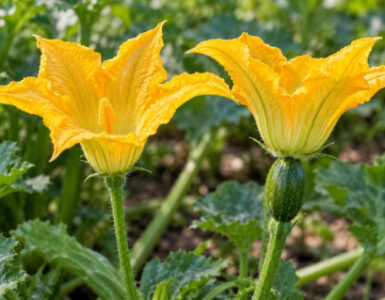
11. Zucchini
Zucchini plants can produce many fruits during the growing season. Once the plant begins flowering, you may find new zucchini growing every few days when conditions are right.
Harvest the fruits while they are small or medium-sized and tender. Large zucchini can become less tender and develop bigger seeds.
Check under the leaves because the fruits can hide beneath the plant’s broad foliage. Use a clean knife or pruners to cut each zucchini from its stem.
Zucchini plants need room to spread, regular water, and plenty of sunlight. Watch for common pests and signs of disease so you can act early.
12. Broccoli
Broccoli can provide more than one harvest if you leave the plant in the ground after cutting its main head. The first head is usually the largest, but some varieties will produce smaller side shoots afterward.
When the main head is a good size, cut it with a short piece of stem while the small flower buds are still tight and green.
Leave the rest of the healthy plant in the ground. Many broccoli varieties will grow smaller side shoots after you pick the main head. Harvest these shoots when they reach a useful size [4].
Broccoli grows best in cool weather. In hot conditions, the plant may produce smaller heads or flower too soon. Choose a planting time suited to your local climate for the best results.
Tips for Getting More Harvests From Your Vegetables
You can help many vegetables produce more food by following a few simple gardening practices.
Pick vegetables regularly. Harvest leafy greens and ripe pods or fruits when they are ready. Leaving old produce on some plants can slow further production.
Use the right harvesting method. Pick outer leaves from leafy greens and leave the growing center intact. Use scissors or pruners when cutting stems or fruits that may break the plant if pulled.
Water consistently. Most vegetables need regular water to grow well. The soil should stay moist enough for the crop without becoming waterlogged.
Give plants enough sunlight. Fruiting vegetables such as tomatoes, peppers, and okra generally need plenty of sun. Leafy greens may benefit from some afternoon shade in hot climates.
Feed the soil. Add mature compost or use a suitable fertilizer according to the crop’s needs. Healthy soil supports steady plant growth.
Plant at the right time. Some vegetables, including spinach, lettuce, and broccoli, prefer cooler weather. Others, such as okra, tomatoes, and peppers, grow better in warm conditions.
Plant in small batches. If a vegetable has a short harvest period, sowing seeds every few weeks can help you enjoy fresh produce over a longer time.
Takeaway
Growing vegetables that you can harvest multiple times is a simple way to make your garden more productive.
Leaf lettuce, kale, Swiss chard, spinach, and arugula can provide repeated leaf harvests when picked carefully. Tomatoes, peppers, okra, and zucchini can produce new fruits, while bush beans and broccoli may offer several pickings under the right conditions.
Remember, repeated harvesting doesn’t mean every plant will produce all year. Weather, variety, soil, water, and pest control all affect how long a vegetable keeps producing.
Start with two or three crops that suit your climate and available space. With regular care and careful harvesting, you can enjoy fresh vegetables from the same plants more than once and get more value from your garden.




[…] Moreover, it is hardy and can be harvested repeatedly throughout the season. It is a cut-and-come-again veggie. […]
[…] can harvest your cilantro using the “cut and come again” technique. This means you can keep harvesting from each plant multiple times by snipping off the outer leaves once they’ve grown large […]