

 Sasha Campbell
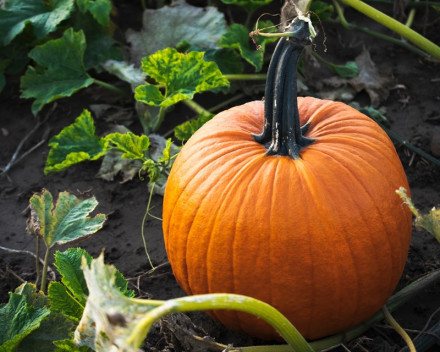
Pumpkins are useful for much more than pies and fall decorations. These garden crops have a long history, come in many colors, and offer several parts you can eat.
You may know that pumpkin seeds make a tasty snack. But did you know you can eat the flowers, too? Or that pumpkins are fruits, even though we often cook them like vegetables?
These 10 facts about pumpkins explore their size, seeds, flowers, and growing habits. Whether you enjoy gardening or cooking, there is plenty to learn about this colorful crop.
Pumpkin Facts
1. Pumpkins Can Grow to a Huge Size
Some pumpkins are small enough to hold in one hand. Others are so heavy that growers need special equipment to move them.
On October 3, 2026, Ian Paton presented a pumpkin weighing 2,856 pounds, 12.8 ounces, or 1,295.8 kilograms, at a weigh-off in the United Kingdom. Guinness World Records listed it as the world’s heaviest pumpkin in October 2026 [1].
Growing a giant pumpkin takes more than planting an ordinary seed. Growers choose plants bred for size and care for them throughout the season.
For a home garden, choose a type that suits your space and needs. If you want pumpkins for cooking, look for a type grown for its flavor and smooth flesh.
2. Pumpkin Seeds Are Packed With Nutrients
The seeds inside a pumpkin are worth keeping. They provide protein, magnesium, zinc, and healthy fats. These small seeds can add both flavor and nutrients to your meals [2].
You can roast pumpkin seeds for a crunchy snack. Start by separating them from the stringy pulp. Rinse them, dry them, and follow a trusted roasting recipe.
Try adding a little cinnamon or your favorite mild spice. You can also sprinkle roasted seeds over soup, oatmeal, or salads.
Let the seeds cool fully before placing them in a sealed container. Keeping them dry helps protect their crunch and freshness.
3. Pumpkins Are Fruits
We often call pumpkins vegetables when talking about food. But in plant science, a pumpkin is a fruit.
It grows from a flower and holds seeds inside. Tomatoes, cucumbers, and peppers are also fruits for the same reason.
This may seem strange because many people think fruit must taste sweet. However, scientists look at how this part of a plant forms, rather than how it tastes.
In the kitchen, people often group pumpkin with vegetables because of how they cook and serve it. You might use it in soup, roast it with other vegetables, or mash it as a side dish.
Both descriptions make sense in their own setting.
4. Pumpkins Are an Ancient Crop
People grew pumpkins and related squash in the Americas thousands of years ago.
People in Mexico began growing a type of squash related to today’s pumpkins about 10,000 years ago, according to the Smithsonian [3].
The first peoples of the Americas helped develop these crops over many generations. They saved seeds and grew plants that suited their food needs and local growing conditions.
This long history began well before pumpkins became common fall decorations or pie ingredients.
The pumpkins in our gardens today are part of that farming story. Growing them gives us a chance to enjoy a crop with deep roots in the Americas.
5. Pumpkin Flowers Are Edible
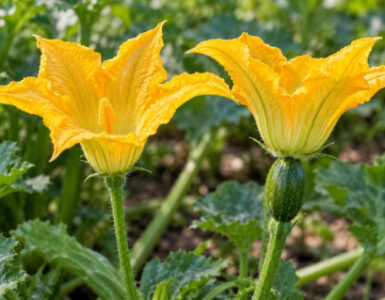
The large yellow flowers on a pumpkin vine can become part of a meal. Pumpkin blossoms can be eaten raw or cooked. Some cooks stuff them, fry them, or add them to other dishes [4].
Use fresh flowers from pumpkin plants grown for food. If you use a garden spray, check that its label allows use on pumpkins. Follow any waiting time before picking, and check whether the label covers harvesting flowers for food.
Check inside for insects and gently rinse the blossoms before use. Handle them carefully because their soft petals tear easily.
If you also want pumpkins, leave the female flowers on the vine. Pick only a few male flowers, leaving plenty to provide pollen.
6. Pumpkins Are Not Always Orange
Orange may be the best-known pumpkin color, but it is far from the only one.
Pumpkins can have white, green, yellow, or blue-gray skin. Some also have stripes or patches of different colors. Their color depends on the type you grow.
This matters when checking whether a pumpkin is ripe. A white pumpkin does not need to turn orange before harvest.
Read the seed packet or variety guide to learn its expected color. The skin should also be hard and resist a gentle press from your fingernail.
Color is one harvest clue, but it should not be the only one you use.
7. Pumpkin Plants Have Male and Female Flowers
A pumpkin plant grows two kinds of flowers: male and female.
Male flowers provide pollen. Female flowers have a small swelling just below the petals. This part can grow into a pumpkin after successful pollination.
Pollination happens when pollen moves from the male flower to the female flower.
Male flowers have no tiny fruit at their base. They often appear before the female flowers, so seeing blooms without pumpkins early in the season is normal [5].
Look closely at the base of each blossom. This simple check helps you tell the two flower types apart.
8. Bees Help Pumpkins Grow
Pumpkin plants usually depend on bees to carry pollen from male flowers to female flowers.
As bees visit blossoms to gather food, they move pollen between them. This helps the female flowers develop pumpkins.
Rainy weather can reduce bee visits and lead to fewer pumpkins forming [6].
Growing flowers that attract bees can help bring these useful visitors into your garden.
Watch your pumpkin blossoms for bee activity. A vine may have plenty of flowers yet produce few pumpkins if too little pollen reaches its female flowers.
This is one reason healthy plants do not always give a large harvest.
9. Orange Pumpkin Flesh Provides Beta-Carotene
The orange flesh inside many pumpkins contains beta-carotene. This natural substance gives pumpkin its orange color. Your body can turn it into vitamin A [7].
Vitamin A helps your eyes work well and supports your body’s defenses against germs.
You do not need to turn every pumpkin into a sweet dessert. Try roasting pieces, stirring cooked pumpkin into soup, or serving mashed pumpkin as a side dish.
Its mild flavor works well with many seasonings. Using pumpkin in different meals gives you more ways to enjoy your harvest.
10. Saved Pumpkin Seeds May Grow Different Fruit
Saving pumpkin seeds can be fun, but the next crop may surprise you.
Some pumpkins can cross with certain other squash types. This happens when pollen moves between plants that can breed with each other.
Crossing does not change the taste, shape, or color of the pumpkin already growing. However, plants grown from its saved seeds may produce different fruit.
Seeds saved from hybrid pumpkins may also grow plants that differ from the parent [8]. A hybrid comes from crossing selected parent plants.
For a more predictable crop, buy fresh seeds of the pumpkin type you want.
Takeaway
Pumpkins offer much more than their familiar orange shape. Their seeds and flowers can become food, while their growing habits show how important bees are to the garden.
Whether you grow pumpkins or buy them, try a different color, cook a new dish, or roast the seeds. There are many ways to enjoy this ancient crop.



Add comment