

 Sasha Campbell
Gardening is a fun way to grow your own vegetables, fruits, flowers, and herbs. But digging and tilling the soil can be hard work. That is why many gardeners are turning to no-dig gardening, also known as a no-till garden method.
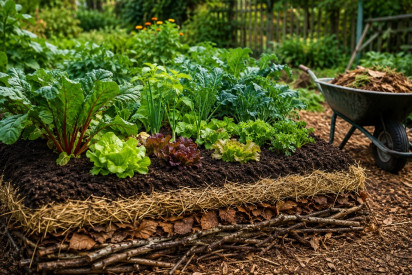
Instead of digging up the soil, you simply add compost and other organic materials on top and let nature do the work.
Some gardeners use cardboard when starting new beds, while others practice no-dig gardening without cardboard by applying thick layers of compost and mulch directly over the soil.
This easy gardening method helps build healthy soil, reduces weeds, and makes gardening much less work. In this guide, you’ll learn everything you need to know to start your own no-dig garden.
What Is No-Dig Gardening?
No-dig gardening is often called a no-till garden because the soil is not tilled or turned over [1].
In a traditional garden, people often use shovels or tillers to break up the soil before planting. In a no-dig garden, you leave the soil alone and add layers of organic materials on top.
These materials slowly break down and feed the soil. Earthworms and tiny soil organisms help mix everything together naturally.
Think of a forest floor. Nobody digs the ground in a forest. Leaves and plant matter fall onto the soil and slowly decompose. The soil becomes rich and healthy all on its own. No-dig gardening works in a similar way.
Why Is Digging Not Always Good?
Many people think digging is necessary, but it can actually cause problems.
When soil is dug up:
- Earthworms can be disturbed.
- Helpful fungi may be damaged.
- Weed seeds buried in the soil can be brought to the surface.
- Soil structure can break apart.
- Moisture can be lost more quickly.
No-dig gardening helps protect the natural life living in the soil.
Benefits of No-Dig Gardening
There are many reasons why gardeners love this method.
Less Hard Work
Digging can be tiring, especially if you have a large garden.
With no-dig gardening, you spend less time turning soil and more time enjoying your garden.
Fewer Weeds
A thick layer of compost or mulch blocks sunlight from reaching many weed seeds.
This means fewer weeds can sprout and grow.
Healthier Soil
Earthworms, insects, fungi, and beneficial bacteria all help create healthy soil.
Because the soil is not disturbed, these helpful organisms can thrive.
Better Moisture Retention
The compost and mulch act like a blanket over the soil.
This helps the soil stay moist for longer, meaning you may need to water less often.
Stronger Plants
Healthy soil encourages strong root growth, which often leads to healthier plants and larger harvests.
No-dig gardening can work especially well on clay soils because organic matter gradually improves soil structure over time.
What Do You Need for a No-Dig Garden?
One of the best things about no-dig gardening is that you do not need many tools.
Here are some basic supplies:
- Compost
- Mulch (such as straw, leaves, or grass clippings)
- Cardboard or newspaper
- A watering can or garden hose
- Seeds or young plants
That’s it!
How to Start a No-Dig Garden
Starting a no-dig garden is easier than many people think.
Follow these simple steps:
Step 1: Choose a Sunny Spot
Most vegetables and many flowers need plenty of sunlight.
Try to choose an area that receives at least six hours of sunlight each day.
Step 2: Cut Down Existing Weeds
If grass or weeds are already growing there, trim them as short as possible.
There is no need to dig them out.
Step 3: Lay Down Cardboard
Place plain cardboard over the grass and weeds. Remove any tape, staples, or shiny coatings first.
You can also use several layers of newspaper.
Most weeds are smothered by the cardboard layer, though aggressive perennial weeds may occasionally require additional control.
Step 4: Water the Cardboard
Wet the cardboard thoroughly.
This helps it stay in place and begin breaking down.
Step 5: Add Compost
Spread a thick layer of compost on top.
A layer about 4 to 6 inches deep works well when creating a new garden bed. After that, many gardeners add 1 to 2 inches of compost each year.
Step 6: Add Mulch
Place mulch on top of the compost.
Mulch helps keep moisture in the soil and discourages weeds.
Step 7: Plant Your Garden
You can now plant seeds or seedlings directly into the compost layer.
Water them well and watch them grow.
How Long Does Cardboard Take to Break Down?
Cardboard usually starts breaking down within a few months and may disappear completely within 6 to 12 months.
How quickly this happens depends on factors like moisture levels, soil life, and climate [2].
Can You Do No-Dig Gardening Without Cardboard?
Yes. While cardboard is one of the most popular materials for smothering grass and weeds when creating a new no-dig bed, there are several other options.
Many gardeners successfully practice no-dig gardening without using cardboard. Instead, they create layers of newspaper, compost, mulch, leaves, straw, or other organic materials.
Newspaper works much like cardboard. Simply lay down several sheets of plain black-and-white newspaper.
Make sure to wet them thoroughly. Then, cover the wet newspaper with compost and mulch.
The newspaper blocks sunlight, helping suppress weeds and grass, and breaks down naturally over time.
Some gardeners also use thick layers of compost and mulch alone, especially in areas with few weeds.
A deep layer of compost, topped with straw, shredded leaves, grass clippings, or wood chips, helps smother unwanted plants. This layer also improves the soil underneath.
Wood chips work best as a surface mulch rather than as a soil amendment.
Whether you use cardboard, newspaper, or other organic materials, the goal is the same: to create a protective layer over the soil. This layer helps feed beneficial organisms and reduces weed growth.
What Can You Grow in a No-Dig Garden?
Almost anything that grows in a regular garden can grow in a no-dig garden.
Popular choices include:
- Tomatoes
- Peppers
- Cucumbers
- Potatoes
- Lettuce
- Spinach
- Beans
- Carrots
- Herbs
- Strawberries
- Flowers
Many gardeners report excellent harvests using this method.
How Earthworms Help
Earthworms are some of the best helpers in a no-dig vegetable garden.
As they move through the soil, they create tunnels. These tunnels allow air and water to reach plant roots more easily.
Earthworms also eat organic matter and leave behind nutrient-rich castings that help feed plants.
Adding Compost Each Year
No-dig gardening is very simple to maintain.
Each year, add another layer of compost to the top of your garden bed.
There is no need to dig it in. Rain, earthworms, and soil organisms will slowly move nutrients into the soil.
This keeps the soil rich and productive year after year.
Common Mistakes Beginners Make
No-till gardening is easy, but there are a few mistakes to avoid.
Using Too Little Compost
A thin layer of compost may not provide enough nutrients for plants.
Try to start with a generous layer.
Leaving Gaps in the Cardboard
Weeds can grow through uncovered spaces.
Overlap pieces of cardboard to block sunlight completely.
Walking on Garden Beds
Walking on the beds can compact the soil.
It is best to create paths around the garden and avoid stepping where plants are growing.
Forgetting to Mulch
Mulch helps control weeds and hold moisture.
Without it, you may spend more time watering and weeding.
Is No-Dig Gardening Good for the Environment?
Yes, it can be.
No-dig gardening supports healthy soil life. It also often reduces the need for chemical fertilizers and herbicides, making it a more natural option for growing plants.
Healthy soil can store more carbon and reduce soil erosion, both of which can benefit the environment. [3].
In addition, many gardeners recycle materials such as cardboard, leaves, and grass clippings instead of throwing them away.
Other Frequently Asked Questions
Do I ever need to dig?
In most cases, no. The goal is to keep soil disturbance to a minimum.
However, occasional digging may be necessary when planting trees, installing irrigation, or dealing with major soil problems.
Can I start a no-dig garden on grass?
Yes. Simply place cardboard over the grass and add compost on top.
Does the no-dig method attract pests?
Not usually. Healthy soil often supports a balanced ecosystem that can help keep many pests under control.
How long does it take to work?
A new no-dig garden bed can often be planted immediately after it is built.
The soil often improves even more over time.
Takeaway
No-dig gardening is one of the easiest ways for beginners to start growing plants. Instead of spending hours digging and turning the soil, you simply build healthy layers on the ground and let nature do much of the work.
This gardening method is popular for good reason. It leads to fewer weeds, healthier soil, better moisture retention, and less physical effort.
You can grow vegetables, herbs, flowers, or fruits in a no-dig garden. This method helps you create a thriving garden by working with nature instead of against it.





Add comment