

 Sasha Campbell
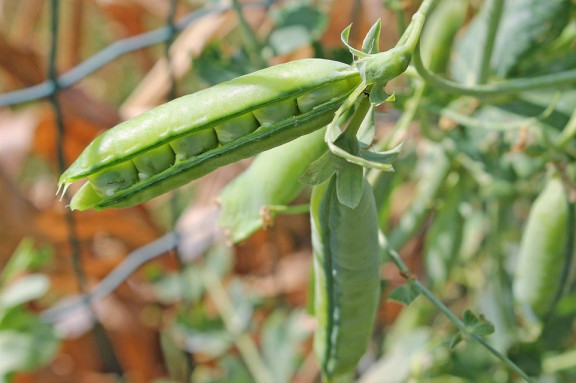
Growing peas in your garden can be incredibly rewarding. Not only do they add flavor to your meals, but they also enrich your soil by fixing nitrogen, which benefits many plants.
However, just as people do, plants have their friends and foes.
Choosing the right companions helps peas grow better and taste great. But planting them near the wrong plants can slow growth or attract pests.
In this guide, we will explore the best and worst companions for peas.
What to Grow with Peas
When planning your garden, consider pairing peas with plants that enhance their growth, improve soil, or deter pests.
Below are some good companions to pair with peas:
Carrots
These root vegetables don’t compete for space above ground and can help break up the soil, making it easier for pea roots to grow.
Radishes
Fast-growing radishes can act as a trap crop for pests that might otherwise target peas. Peas also add nitrogen to the soil, which helps radish plants thrive.
Turnips
Like radishes, turnips help loosen soil and can attract beneficial insects.
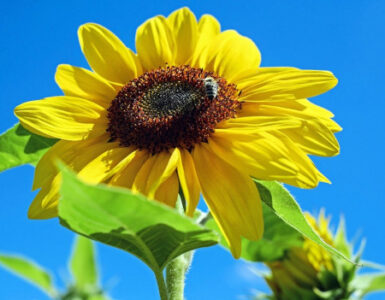
Sunflowers
Peas and sunflowers also grow well together.
Lettuce
Peas provide some shade, helping lettuce thrive in warmer weather and preventing it from bolting too quickly. Lettuce also benefits from the nitrogen that peas fix to the soil.
Spinach
Similar to lettuce, spinach also enjoys the partial shade from tall peas and grows well nearby.
Cucumbers
These vines can share trellis space with peas. The shade from pea plants can also benefit cucumber leaves in hot weather.
Potatoes
Peas enrich the soil with nitrogen, which can help potatoes grow stronger and produce bigger tubers. Additionally, potatoes grow deep in the soil while peas do not.
Brassicas (like cabbage, broccoli, and cauliflower)
Peas enrich the soil for these heavy feeders, boosting their growth without competing too much for nutrients.
Herbs like rosemary, mint, and thyme
Many aromatic herbs can also help repel pea pests, such as aphids and spider mites.
Beans
Although they are legumes like peas, beans enjoy similar growing conditions and can be planted together. Additionally, both improve soil nitrogen levels.
Some Flowers
Peas also grow well next to flowers such as marigolds and nasturtiums. These plants can help attract pollinators while repelling some insect pests.
Bad Peas Companion Plants
Just as some plants are beneficial, others can cause issues when planted near peas. Avoid these companions to keep your peas healthy:
Onions – Members of the allium family can stunt pea growth, as they compete for nutrients.
Garlic – Like onions, garlic’s chemicals can interfere with pea root development.
Shallots – Another allium to avoid; they don’t pair well with peas.
Leeks – Leeks are also part of the allium family and can suppress pea growth.
Fennel – Fennel releases allelopathic chemicals that inhibit the growth of nearby plants [1], including peas.
Peppers – Peppers can compete for nutrients. They are also susceptible to many of the same pests as peas, making them a poor companion crop.
Tomatoes – Both peas and tomatoes can compete for resources and inhibit each other’s growth.
How to Grow Peas
Peas are cool-weather crops that thrive in early spring or fall.
Start by selecting a sunny spot with well-draining soil. If your soil is heavy or clay-like, adding compost or sand can improve texture.
Peas can be planted directly in the ground about 1 inch deep and 2 inches apart, with rows spaced 18–24 inches apart.
Support climbing varieties with trellises, netting, or poles to keep vines off the ground and make harvesting easier.
Bush bean varieties don’t need much support, but they benefit from good spacing to prevent overcrowding. Additionally, regularly check for weeds, as they can compete for nutrients and water.
Fertilizer Requirements
Peas are legumes, which means they naturally fix nitrogen in the soil. Because of this, peas usually don’t require high-nitrogen fertilizers.
Instead, use a fertilizer that contains phosphorus and potassium. These nutrients support root and flower development.
Organic options like compost or well-rotted manure can also provide the nutrients peas need.
Watering Needs
Peas need consistent moisture, especially during flowering and pod formation. Water deeply once or twice a week, depending on rainfall and soil type.
Overwatering can lead to root rot and fungal diseases, while underwatering can reduce pod size and flavor.
Mulching around the base of plants helps retain soil moisture and reduce weeds.
Pests That Affect Peas
Several pests can target peas, so it is important to monitor your garden closely. Some of these pests include aphids, pea weevils, spider mites, and thrips [2].
Encouraging natural predators and handpicking are among the natural solutions for controlling garden pests.
Plant Diseases
Peas are also susceptible to a range of diseases. Some of the most common ones include powdery mildew, downy mildew, root rot, gray mold, and pea enation mosaic virus [3].
Read up on natural ways in which you can control plant diseases in your garden.
Where to Buy Seeds
You can buy high-quality organic and heirloom seeds at local garden centers, farm supply stores, or online.
Look for varieties suited to your climate and growing season. Popular options include snap peas, snow peas, sweet peas, green peas, white peas, and shelling peas.
Some trusted online sources include SeedsNow and Seed Needs.
Takeaway
Companion planting is an art as much as a science, and peas are a prime example of a crop that benefits from the right neighbors.
Planting peas near supportive companions can boost growth, improve flavor, and deter pests. On the other hand, there are some plants to avoid planting near.
Whether you’re a beginner gardener or an experienced grower, pairing peas with the right plants is an easy way to boost your garden. This simple step can make your garden healthier and more productive.



Add comment