

 Sasha Campbell
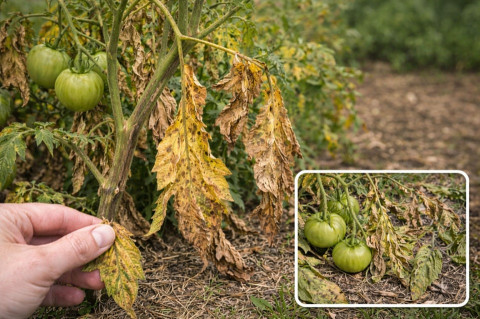
Verticillium wilt is a significant disease affecting a wide range of plants. It causes wilting, yellowing, and ultimately the death of plants by invading the vascular system.
Controlling this disease can be challenging. However, several natural methods can help manage and reduce its impact.
Below are several natural strategies that can help reduce disease pressure and improve plant health.
Identification
Verticillium wilt is a soil-borne fungal disease. It affects many plants.
The fungus invades the plant’s vascular system, blocking the flow of water and nutrients. Plants wilt and eventually die.
Recognizing the symptoms is crucial for early intervention.
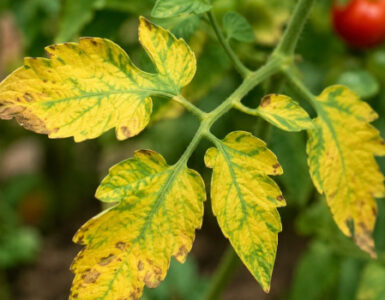
Common signs include leaf yellowing and wilting. The death of leaves and branches is also a symptom [1].
In some trees and shrubs, symptoms may appear on only one side of the plant. Besides, dark streaks may appear in the vascular tissues when the stem is cut.
As mentioned, this disease affects many plants, including vegetables, fruits, ornamental plants, and trees.
It can result in significant crop yield losses and declines in ornamental plants and trees.
Maple trees are among the most commonly affected landscape trees. Lilac, ash, elm, and smoketree are also vulnerable.
Many food crops can also be affected by it. Tomatoes, peppers, and eggplants are common targets. Strawberries, elderberries, and potatoes may also be affected.
Life Cycle
Verticillium fungi survive in soil as dormant structures called microsclerotia [2].
When susceptible plant roots are nearby, the fungus infects them and enters the vascular system. It then spreads throughout the plant, restricting the movement of water and nutrients.
As infected plants decline and die, the fungus returns to the soil in its debris. It can survive there for many years before infecting another host.
How to Get Rid of Verticillium Wilt Naturally
To control verticillium wilt naturally, you need an integrated approach. This means focusing on prevention, maintaining soil health, and using biological control methods.
Regularly monitor your plants for early signs of the disease. Early detection allows for prompt action. This includes removing infected plants and preventing further spread.
Moreover, keeping a close watch on plant health can help you respond quickly to any issues that arise. Below are some natural strategies to help manage this disease.
1. Soil Organic Matter and Compost
Adding well-rotted compost and other organic matter to the soil can enhance soil structure. This process encourages beneficial microorganisms to thrive, which is vital for healthy soil.
Healthy, biologically active soil may help suppress certain soil-borne pathogens and improve overall plant vigor.
Work compost into the soil before planting. You can also use it as a top dressing around established plants to provide added nutrients.
However, avoid using compost made from infected plant material.
2. Proper Watering
Proper irrigation practices can help prevent verticillium wilt. Ensure proper drainage and avoid excessive irrigation to reduce plant stress.
Overwatering or poor drainage can stress plants and weaken their ability to cope with infection.
Also, avoid practices that stress plants. Use drip irrigation or soaker hoses to provide consistent moisture directly to the root zone.
Healthy, well-watered plants are often better able to tolerate Verticillium wilt than drought-stressed plants.
3. Proper Fertilizing
Focus on balanced fertilization and avoiding excessive nitrogen, rather than endorsing high phosphorus.
Healthy soil, rich in a diverse microbial community, can outcompete and suppress soil-borne pathogens such as Verticillium wilt fungi.
4. Control Weeds
Some weeds may act as minor hosts, so keep garden areas weed-free. Mulch helps suppress weeds.
You can also use landscape fabric if necessary. Or, hand-pull weeds regularly.
5. Remove the Badly Infected Plant Entirely and Destroy
If a plant is badly infected, remove it. Dig up the entire plant, including roots, and destroy all plant materials.
Avoid composting infected material unless you are sure your compost reaches sustained high temperatures.
6. Crop Rotation
Avoid planting susceptible crops in the same area for as long as practical.
Verticillium fungi can survive in soil for many years. Therefore, rotating crops with non-host crops may help reduce disease pressure.
Non-host crops such as cereals, corn, or grasses are helpful in this case [3].
7. Mulching
Mulch with organic materials like straw, leaves, or wood chips. This improves soil health. It also retains moisture and regulates temperature.
Mulch also helps maintain consistent soil moisture and moderate soil temperatures, reducing stress on plants.
Mulch can also suppress weed growth. Weeds compete with your crops and can harbor pests and diseases.
8. Grafting Techniques
For perennial crops and trees, you can also use resistant rootstocks and graft susceptible varieties onto them. This may help provide protection against this plant disease.
9. Proper Sanitation
Proper garden sanitation is important when managing Verticillium wilt.
Remove and destroy infected plant material promptly, including fallen leaves and plant debris. This helps reduce potential sources of inoculum and keeps the garden cleaner and healthier.
10. Beneficial Microorganisms
Introducing beneficial microorganisms into the soil can help suppress this disease.
For example, Bacillus subtilis NCD-2 may inhibit the growth of cotton verticillium wilt [4]. Trichoderma asperellum is also effective in the suppression of Verticillium wilt of olives [5].
These biological control agents may compete with or parasitize the pathogen, potentially helping to reduce disease pressure.
11. Resistant Varieties
Whenever possible, choose plant varieties that are resistant or tolerant to Verticillium wilt.
Many vegetable cultivars, particularly tomatoes, are resistant to Verticillium. This resistance is often marked with a “V” on the seed packet or plant tag, helping gardeners identify suitable options [6].
Using resistant varieties is one of the best ways to reduce losses from this disease. This is especially important in gardens where Verticillium wilt has occurred before.
12. Soil Solarization
Use soil solarization to kill the fungus. This is a non-chemical method for controlling soil-borne pathogens. This technique involves covering the soil with a clear plastic sheet.
Do this during hot, sunny months. Leave the plastic in place for 4-6 weeks. The heat can reduce populations of many soil-borne pathogens, including Verticillium fungi.
13. Actinovate® AG
You can also use Actinovate® AG for control.
It is an organic fungicide that may help suppress some soil-borne pathogens in integrated management systems. However, results can vary depending on the crop, soil conditions, and disease pressure.
Follow the application instructions carefully.
FAQ
Can Verticillium wilt be cured?
No. There is currently no cure once a plant becomes infected.
Management focuses on preventing the spread and reducing the disease’s impact.
Does Verticillium wilt stay in the soil?
Yes. The fungus can survive in soil for many years, even when susceptible plants are absent.
What plants are resistant to Verticillium wilt?
Many tomato varieties carry resistance. Some ornamental and tree species also show resistance or tolerance.
Can healthy plants survive Verticillium wilt?
Some plants can thrive for years, even with mild infections. They do best when they stay healthy and avoid extra stress.
How long does Verticillium wilt survive in soil?
Verticillium fungi can survive in soil for many years as dormant structures called microsclerotia. In some cases, they may remain viable for more than a decade.
Takeaway
Controlling Verticillium wilt disease naturally requires a varied approach. This involves prevention, soil health, and biological control.
By mixing these strategies, gardeners and farmers can reduce the incidence and impact of this disease.
Healthy soil and plants are the best defense against this disease. So, focus on building a resilient and balanced ecosystem in your garden or farm.




Add comment