

 Sasha Campbell
It’s no secret that Asian jumping worms, also known as snake worms, have been wreaking havoc on gardens and lawns in certain areas.
They multiply rapidly and consume large amounts of organic matter. This alters soil structure and affects nutrient availability. So, to keep your garden healthy, it is essential to remove these pests as soon as possible.
With a few simple remedies and some strategic thinking, you can help control Asian jumping worms and limit the damage they cause.
In this article, we will explore some natural methods for controlling these pesky critters.
Can You Get Rid of Asian Jumping Worms Naturally?
Yes. The best natural ways to control Asian jumping worms include:
- Handpicking adults.
- Using a mustard drench to bring worms to the surface.
- Destroying cocoons through soil solarization.
- Cleaning tools and footwear.
- Removing excess organic debris.
- Avoiding the movement of infested soil, mulch, and compost.
How to Identify Jumping Worms
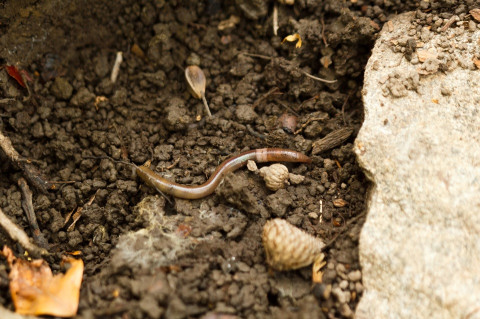
Asian jumping worms (Amynthas spp.), including species such as Amynthas agrestis, are invasive earthworms [1].
When you find yourself with an infestation of Asian jumping worms, the first thing you’ll want to do is identify them. To do this, you’ll need to know what they look like.
Jumping worms are smooth and either gray or copper-brown. They also have a milky-white to gray band (the clitellum) around their bodies.
Unlike many common earthworms, the clitellum fully encircles the body. It appears smooth rather than raised.
Additionally, their cocoons are tiny, soil-colored, and difficult to spot, which is one reason they spread so easily.
They move quickly in an “S” shape, like a snake, which is how they got their name, “snake worms.” People also call them “crazy worms” or “Alabama jumpers” [2].
Jumping worms appear to be more active than other earthworms and often squiggle when touched or disturbed. These invasive worms can become a big problem for forest managers, gardeners, and homeowners.
Why are They a Problem?
Crazy worms are becoming a problem in many parts of the United States, so it’s essential to understand why they’re an issue. People have reported seeing them in states such as Wisconsin, Massachusetts, and Maryland.
Their castings create a loose, grainy soil structure [3]. It is often described as resembling coffee grounds. This reduces moisture retention, making it harder for plants and tree seedlings to thrive.
Their feeding activity can reduce the amount of available organic matter. This reduction may leave fewer resources available for native and other beneficial earthworms.
How to Get Rid of Asian Jumping Worms Naturally
If you find these harmful worms in your garden, take immediate steps to get rid of them before they spread further. Below are home remedies and natural methods that you can try.
1. Handpick Them From the Soil
Once you’ve identified them, put on some gloves and start handpicking them from the soil. Next, place the worms in a plastic bag and leave the bag out in the sun.
You can also drop them into a shallow container filled with soapy water. This will kill them.
Handpicking is an effective way to remove jumping worms from your landscape. It’s also free of chemicals and pesticides.
However, do not relocate the worms to another area, as this can spread the infestation.
2. Mustard Solution
A mustard solution can force the critters to the soil surface. Though it will not kill them, it will make it very easy for you to pick them up or expose them to predators.
Making a mustard solution is simple. Mix 1/3 cup of dry mustard with 1 gallon of water.
Next, pour the mustard-water mixture onto a small section of soil. The irritation causes worms near the surface to emerge, making them easier to identify and remove.
3. Kill Cocoons in the Soil
Another way to prevent an outbreak is to eliminate jumping worm cocoons in the soil.
You can do this through soil solarization. This is where you will water the soil area where the worms are likely to be.
Next, cover the surface with a sheet of clear plastic and secure it so it doesn’t blow away. Now leave it in place for about 8 weeks.
The sun will heat the soil beneath the plastic and may kill many of the cocoons when temperatures remain high enough. By destroying the cocoons, you can help prevent them from becoming adult worms.
Please note: Solarization works best during the hottest part of summer when soil temperatures remain high for several weeks.
4. Properly Clean Tools and Footwear
It’s essential to clean and dry garden tools, gloves, and shoes properly after working in the soil.
Asian jumping worms can lay eggs in your soil, so proper cleaning will help prevent their spread.
5. Remove Leaf Litter and Excess Organic Matter
Asian jumping worms feed heavily on organic matter near the soil surface.
Reduce excessive layers of mulch, leaf litter, and other decomposing plant material. This can make your garden less attractive to them and help slow population growth.
Start by raking up thick layers of leaves and organic debris in spots where jumping worms are found. Dispose of infested material carefully to avoid spreading worm cocoons to other parts of your yard.
This method won’t eliminate an infestation on its own. However, it can reduce food sources, making other control methods, such as handpicking and destroying cocoons, more effective.
6. Vinegar
If you handpick jumping worms, you can place them in a container filled with vinegar to kill them.
However, avoid pouring vinegar directly onto garden soil. It can harm both plants and beneficial soil organisms.
7. Freeze Collected Worms
After handpicking jumping worms, place them in a sealed plastic bag. Next, put the bag in a freezer for at least 24 hours.
Freezing kills both the worms and any cocoons attached to them.
This method is simple, chemical-free, and effective. It also helps prevent the worms from spreading in your garden.
8. Birds
Some birds may occasionally feed on jumping worms, but they are not considered a dependable method of controlling infestations. However, creating a bird-friendly garden may encourage occasional predation and provide other ecological benefits.
To attract birds, you can hang bird feeders in your garden or add some birdhouses. You can also leave out some water dishes for them to take a break and drink from.
9. Avoid Moving Infested Soil, Mulch, and Compost
Jumping worm cocoons are often spread through mulch, compost, potted plants, and shared garden soil [4].
So, before bringing these materials into your garden, inspect them carefully for signs of infestation.
Takeaway
Considering everything, these natural methods stand out. They are sustainable, eco-friendly, and cost-effective.
These methods help control Asian jumping worms. They also lessen the harm that these worms cause to ecosystems.
With enough diligence and perseverance, you can help keep the soil free of these critters. Early detection and prevention are the most effective ways to manage Asian jumping worms and protect your garden soil.




will epsom salt work instead of table salt
No, it will not.
Just remember if regular earth worms are in that area also then just do the handpick method. After they are dead I put them back in my soil for compost.
Don’ know when you wrote this jumping worm article. I live in southeastern Massachusetts and have been fighting these jumping worms for 5-6 years. I felt like I was reducing the number but this year they have increased in number! They are almost everywhere in the yard now. I don’t use mulch and are removing some gardens that have become hiding spots. When I read someone who estimates they are about 6 inches , mine are general about 9 inches when adults. I can even ID these worms when there are very young so I start looking for them in early spring. I think I may have brought them home from the composed grass and leaves at the landfill. I don’t use chemicals in my yard. I keep a 5 gallon bucket with vinegar in it to kill them and keep it with me when working outside!
I am desperate!!!!!!! Any new information??