

 Sasha Campbell
Armadillos may look harmless, but they can make a big mess in your yard. They dig many holes in lawns, flower beds, and vegetable gardens while searching for food.
The good news is that you can keep them away without hurting them. Here are some easy and natural ways to protect your yard.
Identification
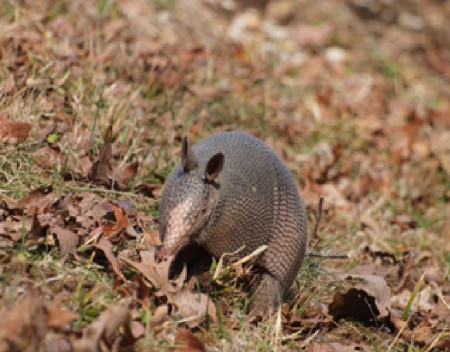
Armadillos are small mammals with hard, armor-like shells that protect their bodies. They live in many parts of Central and South America and much of the southern and southeastern United States [1].
The nine-banded armadillo (Dasypus novemcinctus) is the most common species in the United States [2].
These animals spend most of their time digging for insects, worms, and other tiny creatures in the soil. This behavior can sometimes cause problems for homeowners.
Are Armadillos Dangerous?
Armadillos are generally shy and rarely aggressive toward people.
Still, you should never try to touch or catch a wild armadillo. Keep your pets away from them too.
If you find one that is hurt or trapped, contact local wildlife authorities for assistance.
Signs You Have Armadillos
You may have armadillos in your yard if you notice:
- Small holes about 3 to 5 inches wide and 1 to 3 inches deep.
- New holes that seem to appear overnight.
- Burrows near sheds, decks, or your home’s foundation.
- Dug-up flower beds or vegetable gardens.
- Tracks with four toes on the front feet and five on the back feet [3].
What Attracts Armadillos to Your Yard?
Armadillos visit yards that have food they like or places to hide.
They are attracted to:
- Grubs
- Beetle larvae
- Earthworms
- Ants
- Termites
- Fallen fruit
- Vegetable gardens
- Thick plants
- Brush piles
- Spaces under decks, porches, and sheds.
How to Get Rid of Armadillos Naturally
Below, we will provide tips for keeping armadillos off your property using home remedies and natural methods that are safe for them.
Every yard is different. You may get the best results by using several of these methods together.
1. Cayenne Pepper
Some gardeners use cayenne pepper as a scent-based deterrent. However, evidence of its effectiveness against armadillos is largely anecdotal.
To give it a try, sprinkle the powder in areas where these pests are likely to appear. Or, mix it with water in a spray bottle and spray it.
2. Garlic
Garlic’s strong odor may help discourage some wildlife. However, most evidence for controlling armadillos is anecdotal.
Place crushed garlic in areas where armadillos frequently dig or travel. Replace the garlic every few days to keep the scent fresh.
3. Motion-Activated Sprinklers
You can also install motion-activated sprinklers in your yard.
These sprinklers spray water when they detect movement.
The sudden burst of water surprises the armadillo and may make it leave. Best of all, no harmful chemicals are needed.
4. Motion-Sensing Light
Armadillos are mostly active at night.
Therefore, a bright light that suddenly turns on may scare them away. Place these lights around your yard or near your home’s foundation.
5. Live Traps
If you’d rather not use any form of animal repellent, a live trap could be the way to go.
Live traps are humane, so you don’t have to worry about harming the armadillo.
They’re also relatively easy to set up and use. Follow the instructions that come with the trap.
Check traps at least once daily. Also, follow local regulations about wildlife capture and relocation.
Note: Check your local wildlife rules before trapping or relocating armadillos. In some states, permits or restrictions may apply to trapping and relocating wildlife.
6. Vinegar
Does vinegar get rid of armadillos? Some homeowners report that vinegar’s strong smell may deter certain animals, but results can vary widely.
To use as a DIY repellent, soak cotton balls in vinegar. Place them in areas where these mammals have been seen, such as vegetable gardens and flower beds.
You can also soak cotton balls or small rags with vinegar and place them where armadillos often dig. Replace them often because the smell fades quickly.
7. Eliminate Food Sources
These animals dig holes in search of insects such as termites, beetles, and grubs [4].
Reducing grub populations in your yard may help make the area less attractive to armadillos. However, they eat a wide range of insects, worms, and other invertebrates.
Getting rid of grubs may help. But armadillos also eat worms and other insects, so they may still visit your yard.
To eliminate other familiar food sources, start trimming overgrown areas of your yard. You can also use other organic pest control methods.
Armadillos may also eat soft fruits and vegetables. So, harvest ripe produce promptly and avoid leaving fruits or vegetables on the ground. These can attract armadillos and encourage them to visit your yard.
8. Block Unused Burrows
Armadillos like to have sheltered places to hide when they are not looking for food.
You can make the area less attractive by blocking burrows after you are sure the armadillo has left.
9. Install a Fence
Another step to take in natural armadillo control is to install a fence.
For best results, bury the fence 18 to 24 inches deep. Also, consider bending the top portion outward to make climbing more difficult.
Use sturdy materials such as hardware cloth, welded wire mesh, or chain-link fencing.
10. Pick Up Fallen Fruits
Fallen fruit can attract armadillos looking for an easy food source.
So, make it a habit to go out every day and pick the fallen fruit from under the trees. Doing so will make your yard less appealing to these animals.
11. Block Access Under Structures
Armadillos frequently take shelter under porches, decks, sheds, and crawl spaces.
Make sure there are no animals around. Then, put up hardware cloth or fencing around the perimeter to keep them out.
Check the area at dusk for several evenings to confirm that armadillos are no longer using the space. Only after that should you seal it off.
12. Remove Their Hiding Places
You can do this by removing the objects they’re hiding under or making the area less hospitable to them.
If you have a garden, keep it tidy and free of debris. Armadillos enjoy hiding in brushy undergrowth and debris. To keep them away, it’s best to keep your garden neat and clean.
Similarly, if you have any rocks or debris piles in your yard, move them to a different location. These provide the perfect cover.
13. Predator Urine
Predator urine is often used as a scent deterrent to keep armadillos and other nuisance wildlife at bay. The scent may make some armadillos think a predator is nearby, although results can vary.
You can purchase products made from coyote, fox, or bobcat urine. Use them around the perimeter of your yard, close to burrows, or in areas where armadillos often dig.
Follow the manufacturer’s instructions for application. Reapply as directed, especially after heavy rain.
While predator urine may help deter armadillos, results can vary. It also works best when combined with other methods. For example, removing food sources helps, and blocking access to shelter is key.
Note: Keep predator urine products away from children and pets. Store them according to the label instructions for safety.
14. Coffee Grounds
Coffee grounds are another natural remedy you can try. Some homeowners use them because of their strong smell, although the results can vary.
To give it a try, sprinkle coffee grounds around areas where armadillos are active.
15. Castor Oil
You can also make a homemade armadillo repellent using castor oil, dish soap, and water.
For the recipe, mix 2 tablespoons of castor oil with 1 tablespoon of liquid dish soap. Then stir the mixture into 1 gallon of water.
Mix well, then spray the solution on your lawn, garden, and flower beds. Armadillos, moles, and other burrowing animals may avoid the area.
16. Essential Oils
Some essential oils may help deter armadillos due to their strong scent. Lemon, eucalyptus, clove, lavender, cedar, and peppermint oils are commonly used.
Mix 10 to 15 drops of oil for every cup of water. Use the solution to spray the problem areas.
You may need to reapply the spray frequently, especially after rainfall.
Avoid spraying directly near pets. Many essential oils can be harmful to pets, especially cats. Keep pets away until the spray has dried.
Also, avoid spraying directly on edible plants unless the product label indicates that it is safe to do so.
17. Bonide MoleMax
MoleMax is a commercial castor oil-based repellent marketed for moles and other burrowing animals. Results may vary depending on local conditions and wildlife pressure.
Use it as a lawn-and-garden treatment. You can also apply it at the base of the house and sheds.
Disclaimer:
Home remedies like garlic, vinegar, coffee grounds, and cayenne pepper may help some people. However, their effectiveness often varies, and results can be inconsistent.
Fences and making your yard less inviting usually work better.
What Works Best?
While many home remedies are popular, the most reliable ways to keep armadillos away are:
- Motion-activated sprinklers.
- Exclusion fencing.
- Removing food sources.
- Blocking access to shelter.
- Castor-oil-based repellents.
Using a few methods together usually works better than using just one.
Frequently Asked Questions
What smell do armadillos hate most?
Strong odors, such as garlic, vinegar, castor oil, and certain essential oils, are commonly used as deterrents. However, their effectiveness can vary.
What is the best armadillo repellent?
Common options are motion-activated sprinklers and exclusion fencing. Castor-oil-based repellents work well too. It’s also important to reduce food sources.
Combining several methods often produces the best results.
Do mothballs repel armadillos?
Some people use mothballs to try to repel armadillos. However, they are not recommended for controlling wildlife outdoors.
Mothballs contain pesticides and can be harmful to people, pets, and other animals if used improperly.
Will armadillos leave on their own?
Sometimes. If they cannot find food or shelter, they may move somewhere else.
Do armadillos damage gardens?
Yes. They dig holes while searching for food, which can damage lawns, flower beds, and vegetable gardens.
How deep do armadillos dig?
Their feeding holes are usually 1 to 3 inches deep. Their burrows can be 7 feet deep or even longer.
Can armadillos damage foundations?
They usually do not directly damage foundations. But burrows near buildings may cause the soil to become unstable over time.
What time of day are armadillos most active?
Armadillos are primarily nocturnal and are most active from dusk through the night. However, they may occasionally forage during the day, especially during cooler weather [5].
Takeaway
The key to successful armadillo control is making your property less attractive to them.
Remove their food, block places where they hide, and use safe, humane ways to encourage them to leave.
If the problem continues, you may want to call a wildlife professional for help.




Add comment