

 Sasha Campbell
Learning how to grow elderberries at home is fairly easy when you choose the right plant and growing location.
Elderberries can be used to make pies, cooked syrup, jam, jelly, and wine. The berries have a rich, tart flavor that works well in many recipes.
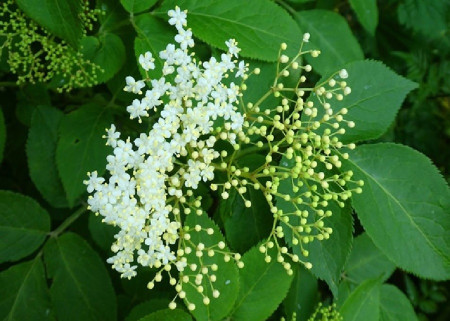
Elderberry shrubs produce clusters of small white or cream flowers, usually from late spring into summer. Bees and other pollinators visit the flowers. Later, many types produce dark purple or black berries that birds also enjoy.
Only use berries from an elderberry species that you have correctly identified. The berries should be fully ripe and cooked before you eat them. Do not eat the leaves, stems, roots, or unripe berries.
Choose the Right Elderberry
Several elderberry species are grown in gardens. American elderberry (Sambucus canadensis) is a popular choice in much of North America. European black elderberry (Sambucus nigra) is also grown for its flowers and dark fruit.
Do not gather berries from a wild plant unless you are certain of its identity. Some elderberry species have red berries, and they should not be treated the same as common black-fruited types.
One elderberry shrub may produce fruit by itself. However, planting two different, compatible cultivars near each other often leads to a larger crop.
Choose cultivars that flower at about the same time so bees can carry pollen between them.
How to Plant Elderberries
You can start elderberries from seeds or cuttings. However, buying a healthy nursery-grown shrub is the easiest choice for most home gardeners.
A nursery plant will also produce fruit sooner than a plant started from seed.
Location
Choose a spot with full sun or light shade. Elderberries can grow in partial shade, but plants in full sun usually produce more flowers and berries. Aim for at least six hours of direct sunlight each day.
Elderberries like moist soil, but the roots should not sit in water for long periods. Give the shrubs plenty of room because they spread by new shoots and can form a wide clump.
American elderberry can also grow in a large container. However, a plant grown in a pot will need regular watering, a roomy container, and extra winter protection in cold areas.
Soil
Elderberries grow best in fertile soil that stays moist but drains well. Loamy soil is ideal, but the plants can grow in other soil types if they receive enough water and organic matter.
Before changing the soil pH, have the soil tested [1]. Many elderberries grow well in soil that is slightly acidic to neutral.
A pH between about 5.5 and 7.0 works for many types, but the best range can vary by species and location. A soil test will tell you whether any changes are needed.
Mix finished compost into poor soil before planting. Compost can improve sandy soil by helping it hold water and nutrients. It can also improve the structure of heavy soil.
Do not add peat moss, pine needles, sulfur, or other materials just to make the soil more acidic unless a soil test shows that a change is needed.
Planting a Nursery-Grown Elderberry
Plant elderberries in early spring after the ground can be worked. You can also plant them in fall if the roots will have several weeks to settle before the ground freezes. Avoid planting during very hot, dry weather.
Dig a hole about twice as wide as the plant’s root ball. The hole should be deep enough for the shrub to sit at about the same level it grew in its pot.
Carefully remove the shrub from its container. Loosen any roots that are circling around the root ball. Place the plant in the hole and spread the roots gently.
Fill the hole with the soil you removed. Press the soil lightly to remove large air pockets, but do not pack it down hard.
Water the plant deeply after planting. Add 2 to 3 inches of mulch around it to help the soil stay moist. Keep the mulch several inches away from the base of the canes.
Space the shrubs according to their mature size. Many elderberry cultivars need about 6 to 10 feet of space between plants.
Growing Elderberries From Seed
Elderberries can grow from seed, but this method takes patience. Germination may be slow and uneven. A plant grown from seed may also be different from the parent plant. If you want a copy of a named cultivar, grow it from a cutting instead.
Collect seeds from fully ripe berries in late summer or early fall. Crush the berries in cool water and let the mixture sit for up to 24 hours. Stir it from time to time. Pulp and poorly developed seeds may float, while heavier seeds usually sink.
Pour away the floating material. Rinse the seeds that remain at the bottom through a fine strainer.
Treating Elderberry Seeds
Elderberry seeds have dormancy that keeps them from sprouting right away. The treatment they need can vary by species.
One simple method is to sow fresh seeds outdoors in a marked nursery bed or pot in fall. The seeds may need to pass through warm and cold seasons before they can sprout. Cover the pot with wire mesh to protect it from animals. Keep the soil moist, but never waterlogged.
Germination may not happen the following spring. Some seeds may need another season before they sprout.
You can also treat seeds indoors. This usually involves keeping them in a warm, moist medium for a period of time and then moving them into cold, moist storage. The seeds must remain moist during this treatment, but they should not be soaking wet.
The correct temperature and length of treatment depend on the elderberry species. Some seeds need several months of warm and cold treatment. Follow instructions written for the exact species you are growing.
Even after treatment, some seeds may take many months or more than one growing season to sprout. Keep the soil moist and do not throw the pot away too soon [2].
Planting the Seeds
After the seeds receive the treatment required for their species, sow them about ¼ inch deep in a clean seed-starting mix. Place the container in a warm area with bright, indirect light.
Keep the mix moist but not soaked. Do not allow it to dry out. Germination may be slow and uneven, so continue caring for the container even if only a few seedlings appear.
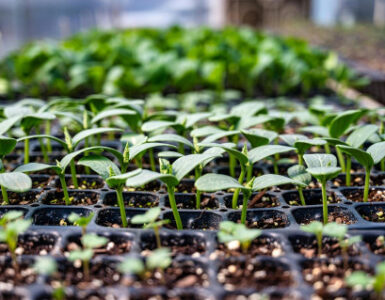
Move each seedling into its own pot when it has several true leaves and is large enough to handle. Grow the young plants in a protected place until they develop strong roots.
Transplanting Elderberry Seedlings
Harden the young plants before moving them into the garden. Place them outdoors for a short time each day, slowly increasing their time outside over one or two weeks.
Plant them in moist, fertile soil and water them well. Space most garden elderberries about 6 to 10 feet apart, depending on the cultivar and how you plan to prune them.
Add a layer of mulch to hold moisture and control weeds. Keep the mulch a few inches away from the stems.
Propagating From Cuttings
Growing elderberry from cuttings is usually easier and faster than growing it from seed. Both softwood and hardwood cuttings can work.
Take softwood cuttings in late spring or early summer. Choose a healthy young stem with no sign of pests or disease. Cut a piece about 4 to 6 inches long, making the lower cut just below a leaf joint.
Remove the leaves from the lower half of the cutting. Leave one or two sets of leaves at the top. If the leaves are very large, cut them in half to reduce water loss.
Fill a small pot with clean, moist propagation mix. A blend of peat-free potting mix and perlite can work well. Use a pencil to make a hole in the mix.
Rooting powder is optional, but it may help roots develop. If you use it, dip the lower end of the cutting into the powder. Place the cutting in the hole and gently press the mix around it.
Cover the pot loosely with a clear plastic bag to hold in moisture. Keep the plastic from touching the leaves. Place the pot in bright, indirect light, away from strong sun.
Check the cutting often. Keep the mix damp but not soaked, and open the bag regularly to allow fresh air inside.
New leaf growth may mean that roots are forming. You can also look for small roots near the pot’s drainage holes. Avoid tugging the cutting often because this can damage new roots.
Once the cutting has a healthy root system, move it into a larger pot. Let it establish before planting it outdoors. Harden it off slowly before moving it into the garden.
Do not fertilize a new cutting until roots have formed and growth has started. After that, use fertilizer only if the elderberry shrub shows poor growth or a soil test shows it needs nutrients.
Caring for Elderberry Bushes
Elderberries need steady moisture, especially while they are becoming established and during hot, dry weather. Water deeply when the top layer of soil begins to dry. The soil should stay moist but not waterlogged.
Spread mulch around the plants to hold moisture and slow weed growth. Keep mulch away from the stems. Pull weeds carefully because elderberry roots grow close to the soil surface.
Elderberries often need little fertilizer when they are planted in fertile soil. Too much nitrogen may produce many leaves but fewer flowers and berries. Test the soil before adding large amounts of fertilizer.
Aphids, scale insects, mites, borers, and some beetles may feed on elderberries. Diseases can include powdery mildew, leaf spot, canker, and root rot. Check the shrubs often and identify the problem before choosing a treatment. No single organic treatment will control every pest or disease.
Remove dead, broken, or diseased growth whenever you find it. More regular pruning can begin after the shrub has become established, usually during its second or third year [3].
Complete the main pruning in late winter or early spring before new growth begins. Cut weak, damaged, or diseased canes near ground level. You can also remove some older canes to make room for healthy new ones.
Clean your pruning tools before pruning and again after cutting diseased wood. Avoid removing too many healthy canes at one time because heavy pruning can change the size of that year’s crop.
Harvesting Elderberries
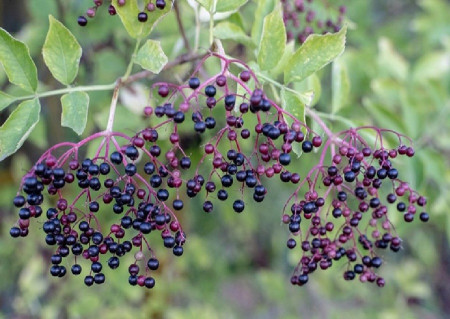
Harvest elderberries only when the whole cluster is fully colored and the berries are plump. Depending on the species, ripe berries may be deep purple, blue-black, or black.
Do not harvest red berries unless you have correctly identified the species and found reliable preparation advice for it.
Cut the entire cluster with clean pruning shears. Place the clusters in a shallow container so the fruit does not become crushed.
Remove all stems, leaves, green berries, and damaged fruit. Do not eat raw or unripe elderberries. Cook the ripe berries before using them in syrup, pie, jam, jelly, or other recipes.
You can freeze cleaned elderberries for later use. Freezing is one of the easiest ways to preserve them.
Elderberries are low in acid, so plain berries, juice, and syrup may not be safe for water-bath canning. Elderberry jam or jelly should only be canned with a current, tested recipe that gives exact amounts of fruit, sugar, and other ingredients. Never use an old or untested canning recipe [4].
Takeaway
Elderberry shrubs bring flowers, fruit, and wildlife to the garden. Their clusters of white flowers attract pollinators, while the ripe berries provide food for people and birds.
Give the shrubs sun, moist soil, enough space, and regular pruning. For the best results, choose an elderberry species that suits your climate and plant two compatible cultivars.
Always identify the plant correctly. Remove the stems, leaves, and unripe berries, and cook ripe elderberries before eating them.




Add comment