

 Sasha Campbell
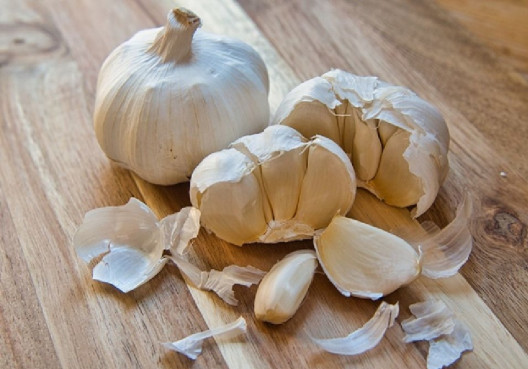
Some insects and related pests seem to react to the pungent smell of garlic just as some people do—they hate it. Garlic is beneficial in several ways, both in the garden and yard.
Making garlic spray for plants is a cost-effective and easy process. It can help repel or reduce populations of mosquitoes, aphids, whiteflies, slugs, and other pests.
Below, you will learn how to use garlic for pest control.
Garden Benefits
- Garlic spray is a natural remedy for general pest problems affecting garden plants.
- The strong scent may help discourage mice, rabbits, moles, and deer from entering the garden, although effectiveness can vary.
- Garlic contains compounds with antifungal properties and may help suppress certain plant diseases, including some fungal infections [1]. However, it should not be relied on as a substitute for proven disease-management practices.
- Moreover, garlic water spray is generally safe for plants and the environment when used correctly. It is also considered safe to use around children and pets when applied as directed.
This home remedy is entirely natural. It also serves as a suitable option for repelling and helping manage pests in the garden.
Garden Pests That Garlic Repels
Garlic contains sulfur compounds that act as natural repellents against harmful insects and pests in your home and garden [2]. Insects and related pests that garlic may help repel include:
- Aphids
- Caterpillars
- Mosquitoes
- Mites
- Whiteflies
- Carrot flies
- Bugs
- Ants
- Beetles
- Cutworms
- Slugs
- Borers
- House flies
- Spider mites
- Cabbage worms
One downside is that garlic spray may temporarily discourage pollinators and some beneficial insects from visiting treated plants. So, do not apply right before or during pollination.
How to Make Garlic Spray for the Garden
Commercial garlic sprays can be purchased from the garden store or online. But homemade ones are easy to handle, cheap, and far more satisfying to prepare.
Many DIY garlic insecticide spray recipes are available online, but the simplest are below.
Basic Garlic Pesticide Recipe
To use garlic as a pesticide, separate four or five cloves (no need to peel them) and place them in a blender. Next, blend well with two cups of water, plus a few drops of organic liquid soap.
When ready to use, strain the liquid to avoid chunks of garlic clogging the spray container. To remove all the pieces, strain the mixture through cheesecloth or a fine-mesh strainer.
Next, use it immediately, as the longer it stays, the less potent it becomes. This homemade spray may help repel or reduce a wide range of pests, including mosquitoes, aphids, mites, flies, beetles, and worms.
Another Recipe
Mince 4 garlic cloves and add them to a tablespoon of mineral oil or vegetable oil. Let the mixture sit for 24 hours.
Afterward, strain the garlic oil and add it to a pint of water with one teaspoon of liquid soap. However, you will need to dilute it before applying it.
Prepare a solution by combining two tablespoons of the concentrated garlic mixture with 1 pint of water. Next, pour it into a spray bottle and coat the affected plants.
If the pest infestation is severe, consider adding other organic pesticides, such as neem oil, to the mixture. Some gardeners even add hot peppers or mint to the solution.
How to Use
Apply the solution in the early evening to prevent the sun from drying it out. Start using it as soon as pests are noticed to minimize damage and prevent infestations from worsening.
Spray plants, covering all surfaces, including the undersides of the leaves. You can also apply it directly to garden pests you see lurking around.
You can also spray your garlic repellent on the soil around crops and ornamental plants to deter harmful insects and related pests.
Reapply after rain or heavy watering and continue spraying every 7-14 days as needed.
You can also grow garlic as a companion plant around crops to protect against other creatures like deer and rabbits. It grows well with cabbage, lettuce, tomatoes, potatoes, and carrots.
However, some food crops may not respond well to garlic when grown nearby. Garlic may not be an ideal companion for beans and peas. Some gardeners also report mixed results when growing it near strawberries and asparagus.
Some gardeners also report that herbs such as sage and parsley do not perform as well when grown near garlic.
Precautions
As with all pesticides, even organic ones, caution is advisable.
Use protective gear while preparing and using the spray, and wash your hands after mixing the solution.
Although garlic is natural, its strong, concentrated juice can be irritating to sensitive skin and eyes. To avoid allergic reactions, wash your hands to remove any residue.
Plants, too, may be sensitive. Before widespread use, it is wise to test the spray on a few leaves first to see if garlic suits that particular plant.
Additionally, the solution should be stored securely out of the reach of children and pets. For edible crops, avoid spraying too close to harvest and wash produce to minimize any garlicky taste.
Takeaway
Garlic has long been used as a natural pesticide to control garden pests. It is even more effective when combined with organic liquid soap.
The powerful scent of garlic also makes it an effective repellent for deer, rodents, rabbits, and other animals.
When used as directed, garlic spray is generally safer than many synthetic pesticides, especially around children and pets. However, it’s important to avoid direct contact with eyes and skin.




Add comment