

 Sasha Campbell
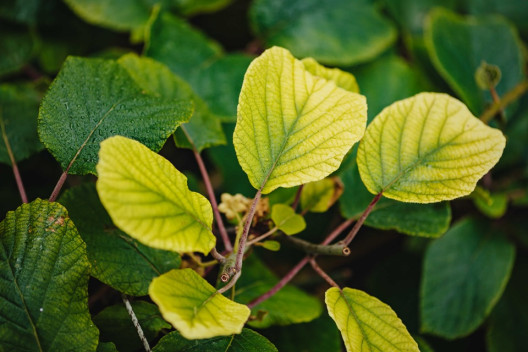
Seeing yellow leaves on your plants can be worrying. This is especially true when you’ve been watering, feeding, and caring for them the best you can.
The good news is that yellowing foliage is your plant’s way of communicating. In most cases, the cause is simple, and the remedy is completely natural.
How to Fix Yellow Leaves on Plants Naturally
Below are the most common causes of yellow leaves on plants, along with how to fix each one naturally.
1. Poor Drainage or Too Much Water
Overwatering is one of the most common reasons plants develop yellow leaves. When the soil stays soggy for too long, the roots struggle to breathe.
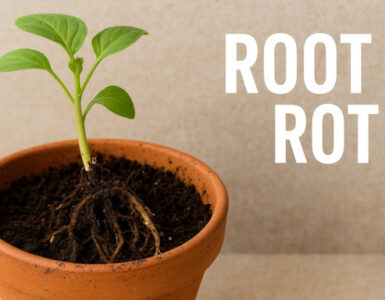
As the roots sit in waterlogged soil, they begin to suffocate and rot. As the roots weaken, they can’t absorb nutrients properly, and the leaves start to turn yellow.
Natural Fixes
The first step is to check your soil. If it feels constantly wet, drainage is likely the problem.
For houseplants or potted plants, make sure pots have drainage holes. Also, allow the soil to dry out slightly between waterings, especially for plants that prefer well-draining soil.
Moreover, mixing compost or coconut coir can naturally improve soil structure.
If the issue is with outdoor plants, ensure they aren’t planted in soil with poor drainage. Clay soil, for example, can become waterlogged when it rains.
2. Too Little Water
Underwatering or water deficiency can also cause yellow leaves. When a plant doesn’t get enough water, it can cause yellowing.
As a survival response, the plant may sacrifice older leaves, turning them yellow, to conserve moisture for new growth.
Natural Solutions
Water deeply rather than lightly sprinkling, so moisture reaches the roots. However, do not water too often, as this can also lead to damage.
Adding organic mulch, such as dried leaves, straw, or wood chips, helps retain soil moisture.
Try to water at the same time each day or every few days, depending on the plant’s needs. Water your plants when the top inch of soil feels dry.
3. Root Damage or Compacted Roots
When roots are tightly packed or damaged, they struggle to absorb water and nutrients efficiently. This stress often shows up as yellowing leaves, stunted growth, or wilting.
Natural Fixes
If your plant is in a pot, gently slide it out and check the roots.
If the roots are tightly packed, it’s time to repot them into a slightly larger container. Loosen the roots carefully before replanting.
However, if the roots are diseased or rotten, it’s time to get new plants.
For garden plants, avoid walking on soil in the root zone, as this can compact it. Also, adding compost or worm castings helps loosen compacted soil and encourages healthy root growth.
4. Inappropriate Soil pH
Soil pH affects how well plants can absorb nutrients.
Even if the soil contains plenty of nutrients, the wrong pH can lock them away. When this happens, plants may show yellow leaves because essential nutrients aren’t available to them.
Natural Solutions
Most plants prefer slightly acidic to neutral soil, though some have specific soil pH requirements. If you suspect a pH issue, a simple soil test can confirm it.
To lower soil pH naturally, you can add compost tea or elemental sulfur. You can also add coffee grounds in moderation.
To raise pH, crushed eggshells or garden lime can help. Make changes slowly, as sudden shifts in pH can stress plants even more.
5. Temperature
Extreme temperatures can shock plants. When it’s too hot, plants may lose water faster than they can absorb it, leading to yellowing and leaf drop.
Cold temperatures, especially in winter, can also damage plant cells. This can slow nutrient uptake, resulting in yellow leaves.
Natural Fixes
For heat stress, provide shade during the hottest part of the day using shade cloth or taller plants. You can also water early in the morning to keep plants hydrated throughout the day.
During cold weather, protect plants with mulch and row covers. You can also move potted plants indoors or to a sheltered area.
6. Pests or Diseases
Sap-sucking pests like aphids, spider mites, and whiteflies feed on plant juices. This activity can weaken plants, leading to leaf yellowing.
Fungal and bacterial diseases can also lead to yellow spots or widespread discoloration [1].
Natural Solutions
Inspect the undersides of leaves regularly for pests.
A great home remedy is to hose down the plants. A strong spray of water can knock many pests off.
Neem oil, insecticidal soap, or homemade garlic sprays also work well as natural treatments.
For diseases, remove affected leaves to prevent spreading and improve air circulation around the plant. In some cases, avoid overhead watering, as wet leaves encourage fungal growth.
7. Not Enough Light
Plants need light to produce chlorophyll, which gives leaves their green color.
However, when a plant doesn’t receive enough light, it can’t photosynthesize efficiently. This causes the leaves to fade to yellow.
Natural Fixes
Plant outdoor plants in areas that receive ample sunlight. For container plants, move the plants to a brighter location.
Pruning can also restore proper light levels.
For indoor plants, placing them near a sunny window or rotating them regularly helps to ensure even light exposure.
8. Nutrient Deficiency
Yellow leaves are often linked to nutrient deficiencies, especially nitrogen, iron, magnesium, or potassium [2].
Nitrogen deficiency usually causes older leaves to turn yellow first. Iron deficiency often shows as yellow leaves with green veins.
Natural Solutions
Feeding your plants with organic matter is one of the best natural solutions. Compost, aged manure, worm castings, and compost tea provide a broad range of nutrients.
Epsom salt can help with magnesium deficiency in plants when used sparingly.
9. Normal Leaf Cycle
Sometimes, yellow leaves are completely normal.
As plants grow, older leaves age naturally, turn yellow, and fall off to make way for new growth.
Natural Fixes
If the yellowing is limited to a few older leaves and new growth looks healthy, there’s nothing you need to fix.
Simply remove the yellow leaves to keep the plant looking tidy and to direct energy toward fresh growth.
Takeaway
Yellow leaves are often a helpful signal rather than a serious issue. By paying attention to watering habits, soil quality, light, and temperature, you can usually identify the cause quickly.
Most fixes are simple, gentle, and completely natural. Once your plant’s needs are back in balance, healthy green leaves are usually not far behind.



Add comment