

 Sasha Campbell
Do you have a pesky chinch bug problem in your yard? Well, you’re not alone.
These little pests can be difficult to get rid of, but there are some natural ways to control them.
Identification
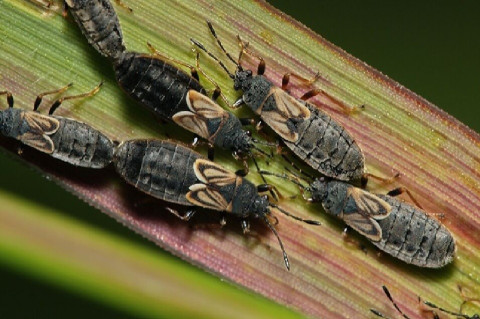
Adult chinch bugs are small black insects with white wings folded over their backs, while younger nymphs are reddish or orange with a pale stripe across the body.
Another thing to look for is damage to your grass, which will appear as dead patches. The patches often expand during hot weather and do not recover after watering.
They love to feed on lawn grasses [1], and when they do, they can cause significant damage. This is why they’re such a big problem for homeowners.
Kentucky bluegrass, Zoysia grass, fescue, and Bermuda grass may be affected. Some species of chinch bugs may also feed on crops such as corn, wheat, and barley.
How to Get Rid of Chinch Bugs Naturally
If you’re seeing a lot of these pests in your yard, there are a few things you can do to eliminate them.
One option is to use a pesticide, but I’m not a fan of harsh chemicals, so I choose eco-friendly alternatives, as highlighted below.
1. Don’t Overwater or Underwater the Lawn
The first thing you want to do is make sure you’re watering your lawn correctly. Don’t overwater it, but don’t underwater it either.
These lawn pests thrive in hot, dry conditions, so keeping the soil too dry will make it easier for the eggs and nymphs to survive. In contrast, overwatering can lead to thatch accumulation on lawns.
2. Avoid Over-Fertilizing
An over-fertilized lawn is very appealing to these bugs because it contributes to thatch and weeds.
So if you’re trying to control chinch bugs in your lawn, the first thing you need to do is cut back on the fertilizing.
3. Beneficial Insects
What are beneficial insects, you ask? They are insects that eat other insects.
So, by attracting them to your garden, you’re doing yourself a favor because they’ll get to work eating all the destructive insects and related pests.
Big-eyed bugs are among the most effective natural predators of chinch bugs. Lacewings and some ground beetles may also help reduce populations.
4. Diatomaceous Earth
This powder works well against chinch bugs by damaging their protective outer coating, leading to dehydration and death.
To use it, sprinkle some organic DE on your lawn and let it sit for a few days. Diatomaceous earth may help kill chinch bugs that come into contact with it by damaging their exoskeletons and causing dehydration.
5. Insecticidal Soap
Insecticidal soap is available at most hardware stores or online and is effective at killing chinch bugs. All you need to do is thoroughly spray it on the affected areas.
The best thing about this treatment is that it’s lower-toxicity and won’t harm your plants. It’s an excellent option for people who are seeking natural chinch bug treatments.
You can also make a homemade soap spray using mild liquid soap and water, though commercial insecticidal soaps are usually safer for plants when used according to label directions.
6. Natural Predators
In addition to the natural enemies listed above, introduce other natural predators.
Ground beetles, earwigs, ants, and some wasps are other natural enemies of the chinch bug. Some birds may also feed on chinch bugs and related lawn pests.
Try to attract these predators to your yard.
7. Vinegar
Some gardeners use diluted vinegar sprays on small infested areas, but vinegar may also damage grass if used too heavily. Results can vary, so test a small area first.
8. Arber Bio Insecticide
You can also consider using a chinch bug insecticide, such as Arber. It is effective against a wide range of pests, including aphids, armyworms, stink bugs, and whiteflies.
It is also considered safer when used as directed, so you can use it in your garden or on your plants without worrying about any adverse effects.
9. Debug Turbo
Debug Turbo is another natural product some gardeners use to control chinch bugs.
This insecticide is a liquid concentrate that you mix with water and spray on affected areas. Its active ingredients include neem oil.
It’s plant-based and biodegradable, and it is generally considered safer for the environment and plants when used properly. If you really want to use pesticides but avoid the harmful ones, this is a great choice.
10. Bug Buster-O
Bug Buster-O is another natural pesticide that can help. It’s made with organic pyrethrins, which kill chinch bugs.
However, it is toxic to bees, so use it with care to avoid harming them. You can safely use it on vegetables, flowers, ornamentals, and just about any plant.
11. Dethatch Your Lawn Annually
To effectively deal with the situation, dethatch your lawn regularly. This will keep it healthy and remove the protective environment that these lawn bugs love.
Chinch Bug Preventive Tip
Keep your lawn properly mowed and reduce thatch buildup to make your yard less attractive to chinch bugs.
Takeaway
Chinch bugs can be a real nuisance, especially if you’re trying to garden or keep your lawn healthy. These little pests can cause significant damage. But don’t worry; we’ve got you covered.
The methods discussed here may help kill or deter chinch bugs and are generally safer for pets, people, and plants when used properly.




Add comment