

 Sasha Campbell
While it is relatively easy to grow, cilantro requires some thought when planting for the best results. Cilantro is a wonderfully fragrant herb that can be a great addition to an already established garden.
However, we know it can be confusing to figure out which companion plants are good and which are bad for this herb, so we’ve done the research for you!
Read on to learn about some of the best and worst companions for cilantro in your herb garden.
Good Companion Plants for Cilantro
Ready to try your hand at planting cilantro? There’s no doubt you’ll want some companion plants around cilantro to maximize its benefits and deter potential pests.
So, what are good companions for it? Below is a list of the best plants to grow alongside cilantro:
- Beans
- Chervil
- Cosmos
- Brassicas
- Peas
- Borage
- Sunflowers
- Potatoes
- Zinnias
- Coreopsis
- Nasturtium
- Eggplants
- Asparagus
- Marigolds
- Anise
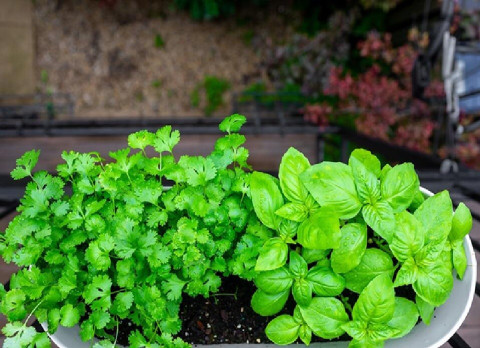
- Basil
- Tomatoes
- Parsley
- Sweet alyssum
- Lupines
- Peppers
- Strawberries
- Chamomile
What Not to Plant with Cilantro
Planting two or more crops together that benefit each other can be incredibly helpful. But it can also backfire if you choose the wrong companion plants.
Coming from us, below are some of the worst plants to avoid growing next to cilantro:
- Lavender
- Thyme
- Rosemary
- Fennel
- Carrots
- Dill
How to Grow Cilantro
First, choose the right location for your cilantro plants. They do best in cool temperatures and plenty of sunshine.
Cilantro also needs well-drained soil that is rich in organic matter. Therefore, make sure you enrich your soil with something like compost or manure before planting.
Plant the seeds about half an inch deep in the soil, about 2 inches apart.
This herb also prefers moist soils that are not soggy or waterlogged. So, when watering, be sure to water deeply and generously. This is to ensure that the entire root system receives sufficient moisture.
Fertilizer Requirements
Coriander does not need a steady supply of nutrients to thrive and produce flavorful leaves. It’s best to fertilize the plants once or twice during the growing season.
When it comes to fertilizer types, nitrogen-based fertilizer is recommended [1]. You can also use one with a full dose of nitrogen and half doses of potassium and phosphorus.
Not sure what the numbers on the fertilizer package mean? They should look something like 60-30-30 (N-P-K). So N (nitrogen) should be higher.
However, if you want to save money on fertilizers, try adding some compost or manure to the soil once or twice a year. Compost provides plenty of nutrients that cilantro needs, and it also helps improve soil structure and water retention.
Garden Pests
While most bugs don’t actually harm the plant itself, they can still cause damage by eating away at leaves and other parts of the plant. Some of the most common garden pests that affect cilantro are aphids, thrips, whiteflies, and mites.
You can get rid of most of these critters naturally by introducing natural predators into your garden, such as lacewings or ladybugs. You may also need to resort to some home remedies for plant pests if they become too numerous.
Plant Diseases
Like most other crops you grow every year, cilantro isn’t immune to plant diseases. The most common plant diseases that can affect it include bacterial leaf spot, powdery mildew, and Fusarium wilt.
To prevent these diseases, avoid overwatering your plants. Also, water your plants at ground level and ensure there is plenty of air circulation around them.
Crop rotation is also an important practice that can greatly help.
Harvesting Cilantro
Harvesting is easy. Just clip off the leaves or stems once they’re big enough.
You can wait until the plant has formed several branches and grown to 6 to 8 inches in height. It’s best to harvest cilantro in the morning when the leaves are at their most flavorful.
You can harvest your cilantro using the “cut and come again” technique. This means you can keep harvesting from each plant multiple times by snipping off the outer leaves once they’ve grown large enough.
However, do not cut new growth. This ensures that your cilantro will continue to grow throughout the season.
Cilantro also tends to bolt quickly, meaning it will go to flower and seed. This especially happens when the weather is warm.
But once you’re harvesting the older, outer leaves, the plant will keep producing. So, pick the leaves frequently to ensure the plants don’t enter their flowering stage too soon.
How to Store
You can store it for longer periods if you pat it dry and wrap the stalks (with leaves) in a dry paper towel. You’ll then place them in an airtight container or bag and refrigerate them.
This will help retain the freshness for about four weeks.
Another way to store it is to submerge the leaves in a container filled with water and refrigerate them. Replace the water every two days with fresh water. You can keep cilantro fresh with this method for about a week.
Where to Buy Seeds
If you’re looking to buy high-quality, organic seeds, there are a few different options.
You can go the traditional route and visit any local nursery that carries a selection of seeds. However, be sure to ask them if they stock organic seeds.
You can also purchase herbs, vegetables, and flower seeds from online retailers such as SeedsNow or Amazon.
Takeaway
When preparing your pot, raised bed, or in-ground garden for cilantro, be mindful of plant companions and their effects. A healthy mix of intercropping can help ward off pests and create a healthier growing environment for your plants.


Add comment