

 Sasha Campbell
Dragonflies provide many garden benefits, and it doesn’t take much to attract them.
They are skilled hunters, going after small insects such as moths, leafhoppers, and mosquitoes. For both of these reasons, dragonflies are revered as true blessings in agriculture for any farm or garden.
If you’re an avid gardener, chances are that you’ll want these pretty little predators gracing your doorstep.
Below, we’ll discuss the purpose of dragonflies, how to attract them, as well as their garden benefits and unique facts.
Life Cycle
The dragonfly goes through a three-stage life cycle called incomplete metamorphosis. This cycle includes the egg stage, the nymph stage, and the adult stage.
From egg to adult, the life cycle can span up to five years, most of which are in the nymph stage (baby dragonfly).
Nymphs live in marshes or ponds where the waters are calm. They may remain in that stage for up to 4 years.
What do Dragonflies do for the Garden?
Though their meanings vary across cultures, below is where interest in these colorful insects needs to grow.
We’re sure you’ve lamented about the annoyance of mosquitoes in the past.
If you hate mosquitoes, then you should, by all means, adore dragonflies. They serve a useful purpose in the garden and around the house.
These are the main benefits of dragonflies:
- Mosquitoes are their favorite food. And since mosquitoes are typically found near stagnant water, this is where you’ll most likely find dragonflies.
- Gnats, aphids, midges, grasshoppers, flies—you name it, and the dragonfly will at least attempt to eat it. This is especially helpful since many of the insects they like to eat are pests of vegetables and other plants.
A dragonfly’s large eyes can spot even the tiniest insects crawling about on the leaves of your garden plants. They’ll swoop down and devour the insect pests that they find.
If you have a heavy dragonfly population, then you’ll most likely see a dramatic decrease in some harmful insects and bugs in your garden.
How to Attract Dragonflies
Here’s what you can do to make dragonflies come around:
1. Water
If you want to attract dragonflies to your yard and garden, your best bet is to have water nearby. Whether it’s an old sink with water or a small pond, make sure you have it.
It will draw them in, seeking a safe place to lay their eggs. However, resist the urge to keep the pond sparkling clean and spotless.
Remember, dragonflies are mainly found in swampy areas with lots of aquatic plants. This is one of the best spots for them to hide their eggs.
Therefore, try to leave a few leaves at the bottom of the pool or water container. You can also place some bamboo stakes near the water source to give them little rest stops.
No Pond? No Problem
The chances are, you probably don’t have a pond nearby. However, that’s not a real issue since dragonflies can travel great distances.
If you live more than a mile from any sort of water source, be it a lake, a pond, or a small river, you’ll likely still see a few dragonflies around.
You can also create a small, manageable water source. Get a rain barrel, fill it with water, and place it in the back of the yard, for example.
As long as the water is deep, it’s sure to draw dragonflies to your yard. However, they won’t breed in gutters, birdbaths, or other containers with small amounts of water.
2. Mosquitoes
Dragonflies eat mosquitoes at all life stages. Yes, dragonfly larvae eat mosquito larvae.
With an added water source, you’re going to get quite a few extra mosquitoes, as these little irritants also rely on water for breeding.
The good thing here, though, is that if you’re attracting mosquitoes, it’s only a matter of time before you attract the coveted dragonfly. So, be patient and use some natural mosquito repellent until then.
3. Flowers
This is a surefire way to attract dragonflies without water. Certain plants will draw them to your yard.
Joe-Pye weed, black-eyed Susan, yarrow, borage, and coneflowers attract dragonflies. They’re all great plants for this purpose.
They are also said to be attracted to blue and white colors. So, flowering plants like borage and white water lilies are among the best choices for attracting them.
Dragonfly Species
There are about 3000 species, most of which live in tropical areas. They are often mistaken for damselflies.
What Do They Eat?
Their diets mainly consist of flying insects. These include mosquitoes, flies, moths, midges, butterflies, and even baby dragonflies.
Where Do They Live?
You will find dragonflies all over the world, except on the continent of Antarctica.
Habitat varies depending on which stage they’re in. They spend most of their lives in the water as nymphs, after which they mature into an adult stage that lasts for approximately two months.
Adult dragonflies hang out and sleep mainly around wetland areas.
Interesting Facts
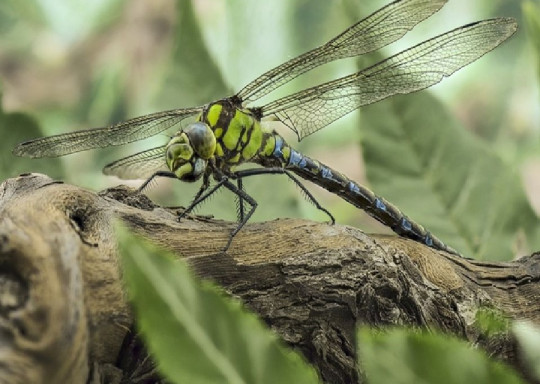
A dragonfly, scientifically known as Anisoptera and commonly called a Darner, is often found in watery areas. It is famous for its sparkling wings and beautiful colors.
Additionally, these insects are labeled as good bugs, much like ladybugs and praying mantises. These beneficial insects are a great boon to a garden, as they help control many unwanted pests.
Dragonflies start their lives as nymphs. They hatch from tiny eggs and live in the water for about five years. During this time, they grow and develop. After this period, they mature into adults and leave the water permanently.
Dragonflies belong to the Odonata order in the animal kingdom, sharing a lineage with their cousin, the damselfly. They’re capable of flying backward as well as forward. They also possess incredible eyesight.
Protecting Dragonflies
First, make sure the water source you’ve created stays at a consistent depth, creating a haven for their eggs. About two feet deep is good enough.
Secondly, be careful with insecticides. Using insecticides to control pests may harm dragonflies, drastically reducing their numbers.
And thirdly, the absence of exotic fish in local waterways will greatly benefit dragonflies.
A Precious Treasure
Of the 307 species of North American dragonflies, many experts agree that roughly 15% of them are critically endangered. Many of these species dwell in small streams and ponds specifically as their natural habitats.
We can protect dragonflies, but it does take a lot of effort. These helpful insects are among nature’s best insecticides, so we cannot afford to lose them.
Takeaway
Dragonflies compare to hummingbirds both in beauty and in their feeding habits. They are very important to the environment.
Dragonflies are some of the most beneficial insects we have. They help us with our agricultural needs.
See also: How to Encourage Lacewings in Your Garden.



Add comment