

 Sasha Campbell
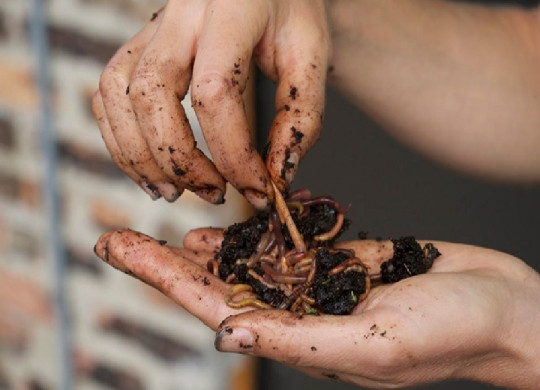
Earthworms and their castings can do many good things for your garden. Worm castings are also called vermicast or vermicastings. Vermicompost is the finished material from a worm bin. It may contain castings, broken-down bedding, and bits of organic matter.
Live earthworms and harvested worm castings do not work in exactly the same way. Earthworms dig tunnels and mix materials in the soil. Worm castings mainly improve soil structure and add small amounts of nutrients.
In this article, you will learn about the benefits of worm castings. You will also learn how to make, harvest, and use them at home.
Earthworm Castings: Benefits for Plants
Below are some of the ways worm castings may help plants, lawns, and garden soil.
1. Support Seed Germination
Vermicompost may support seed germination when a suitable amount is mixed into seed-starting material [1]. It can help the mixture hold water while still allowing extra water to drain.
The study found good results with cucumber seeds, but results may differ with other plants and products. For general use, mix worm castings with a light seed-starting mix instead of using them alone.
2. Improve Lawn Soil
Grass needs water, air, and nutrients to stay green and healthy. Hard, compacted soil can make it difficult for grass roots to get what they need.
Live earthworms create tunnels as they move through the ground. These tunnels allow water and air to enter the soil. Earthworm castings also help form small soil clumps that improve soil structure.
A thin layer of worm castings can be spread across a lawn. Water the lawn afterward to help the material settle into the soil.
3. Provide a Mild Organic Fertilizer
Worm castings can serve as a mild organic fertilizer, but they are mainly used as a soil amendment. They contain small amounts of nutrients and organic matter.
However, nutrient levels can vary depending on what the worms were fed. Worm castings may not provide every nutrient a plant needs. It is better to use them with other good soil-care methods instead of relying on them as the only fertilizer.
Some gardeners also make worm-casting tea by soaking finished castings in water. Solid castings have stronger scientific support than homemade worm tea.
Worm-casting tea is not the same as the dark liquid that drains from a worm bin. The drainage liquid is called leachate. It comes from material that may not be fully broken down. Because its quality is uncertain, the safest choice is not to use it on edible crops, especially parts that will be eaten raw.
4. Turn Organic Waste Into Useful Compost
Composting worms eat decaying plant matter and microorganisms. Microorganisms are tiny living things that help break down organic waste.
The worms turn much of this material into castings. Vermicomposting provides a way to reuse certain kitchen scraps instead of throwing them away.
You can then return the finished vermicompost to the soil.
5. Help Keep Soil pH More Stable
Worm castings are often close to neutral pH. Like other finished composts, they may help keep the soil’s pH more stable when small changes occur.
However, worm castings will not fix strongly acidic or alkaline soil. Test your soil before trying to change its pH. Use the amendment recommended by the test results.
6. Improve Soil Structure and Airflow
Worm castings can help soil particles clump together. These clumps are called aggregates. They create spaces where air and water can move.
This may improve the structure of sandy, clay, or coarse soil. However, mix castings with soil rather than using them as a complete replacement.
Live earthworms also improve airflow by digging tunnels through the ground.
7. Help Soil Hold Water
Worm castings contain organic matter and have a crumbly texture. When mixed into soil, they may help it hold water around plant roots.
They can also reduce surface crusting. This allows water to soak into the ground more easily.
Do not depend on castings alone to keep plants moist. Plants will still need regular watering during dry weather.
8. Help Reduce Soil Erosion
Healthy soil clumps allow water to soak into the ground instead of quickly running across the surface. By supporting good soil structure, worm castings may help reduce some soil erosion.
However, they cannot stop serious erosion on their own. Mulch, ground-cover plants, terraces, and proper drainage may also be needed.
9. Reduce the Effects of Soil Compaction
Worm castings may make soil more crumbly and less likely to form a hard surface. Live earthworms can also reduce the effects of compaction by making tunnels.
Severely compacted soil may still need other improvements. Avoid walking on wet garden beds, add organic matter, and keep heavy machines away from growing areas.
10. Contain Hormone-Like Substances
Studies have found hormone-like substances in some earthworm castings and vermicompost. These substances may be one reason vermicompost can support plant growth [2].
However, the amount can vary between products. Worm castings should not be expected to make every plant grow faster or larger.
11. Add Nutrients to the Soil
Worm castings may contain nitrogen, phosphorus, potassium, calcium, iron, sulfur, and other nutrients. Some of these nutrients may be in forms that plants can use.
The nutrient levels depend on the worms’ food and how the vermicompost was made. This means one batch may be different from another.
Worm castings also add stable organic matter to the soil. This can help improve soil health over time.
12. Support Microbial Activity
Worm castings contain many microorganisms. Some of them help break down organic matter and move nutrients through the soil.
Adding good-quality vermicompost may support microbial activity around plant roots. Healthy soil can also help plants handle certain types of stress.
Some research suggests that certain vermicomposts may help plants handle particular diseases. However, results vary, and worm castings should not replace proper disease prevention or treatment.
13. May Help Plants Resist Certain Pests
Some research suggests that vermicompost may help plants resist certain pests. However, results vary, and researchers are still studying how this effect works.
Plant nutrients and natural compounds in vermicompost may play a part. However, worm castings will not remove an insect infestation on their own.
Keep inspecting your plants and use other safe pest-control methods when needed.
How to Vermicompost at Home
Start with a dark, shallow worm bin that is about 8 to 12 inches deep. Add small ventilation holes near the top and in the lid. If the bin has drainage holes, place a tray underneath it.
Fill the bin with about 6 inches of shredded cardboard, plain paper, newspaper, or dry leaves. Moisten the bedding until it feels like a squeezed-out sponge. It should be damp but not dripping wet.
Red wigglers (Eisenia fetida) are the most common composting worms. European nightcrawlers (Dendrobaena veneta) may also be used. Ordinary garden worms may not survive in a shallow bin. You can buy suitable worms from garden supply stores or online.
Keep the bin between about 55 and 77°F. Once the worms settle into the bedding, feed them small amounts of fruit and vegetable scraps, coffee grounds, plain tea leaves, and finely ground eggshells.
Cut scraps into small pieces and bury them beneath the bedding. Do not add meat, fish, bones, dairy products, oily foods, pet waste, or salty food. Avoid large amounts of onions, garlic, and citrus peels.
Wait until most of the earlier food has begun to disappear before adding more. Too much food can make the bin wet, smelly, and attractive to flies.
If you do not want to make your own, you can buy commercially produced worm-casting compost.
Harvesting Worm Castings
Vermicompost may be ready to harvest after about three to six months. The finished material should look dark and crumbly. Most of the original food and bedding should no longer be easy to recognize.
One easy harvesting method is to push the finished material to one side of the bin. Add fresh, moist bedding and a small amount of food to the empty side. Most of the worms will move toward the fresh food over the next few weeks.
You can then remove the finished vermicompost from the other side.
You can also empty the bin onto a plastic sheet or old newspapers. Make several small piles and place them under a bright light. The worms will move down and away from the light. Slowly remove the finished material from the tops of the piles.
Return the worms and any unfinished bedding to the bin. You may also find tiny worm egg cases in the finished material.
Do not release composting worms into forests or other natural areas. Some earthworm species can harm local ecosystems.
How to Use Worm Castings
Mix worm castings into garden soil before planting. For a homemade potting mix, finished vermicompost can make up about one-fourth to one-third of the mixture. If you are using a packaged product, follow the amount listed on the label.
You can also place a small handful in a planting hole and mix it well with the surrounding soil.
For established plants, spread a thin layer around the base. Keep the material a short distance away from the stem. Gently mix it into the top layer of soil and water the area.
You can also sprinkle worm castings lightly over a lawn and water afterward.
Worm castings are gentle, but more is not always better. Plants still need suitable soil, enough sunlight, proper watering, and a balanced supply of nutrients.
Disadvantages of Worm Castings
One disadvantage is the time needed to make them. A new worm bin may take three to six months to produce enough finished material to harvest. Producing a large amount can take even longer.
A worm bin also needs regular care. Bedding that is too dry may harm the worms. A bin that is too wet or overfed may smell bad and attract flies.
Temperature is another concern. Composting worms may die if the bin becomes too hot or too cold.
Cost may also be a disadvantage. If you buy worm castings instead of making them, they may cost more than regular compost or fertilizer.
Takeaway
Earthworms are valuable helpers in many gardens. Live worms improve soil by making tunnels and mixing organic matter. Their castings add organic matter, support helpful microbes, and improve soil structure.
Worm castings are not a cure for every garden problem. They may not provide all the nutrients plants need, and they should not replace proper watering, pest control, or soil testing. Still, they are a useful natural amendment that can help you build healthier soil over time.




Add comment