


 Andre Campbell
This might seem a bit strange, but some gardeners use molasses in their soil and compost. If you’ve looked at compost tea recipes, you might have noticed people recommending adding molasses.
Molasses contains sugars and some minerals. The sugars can provide food for some soil microorganisms.
However, there is not enough research to say that molasses is a general-purpose fertilizer or that it will always improve plant growth.
What Is Molasses?
This substance is a byproduct of sugar production. Molasses helps give some types of brown sugar their distinctive color and flavor.
Unsulfured blackstrap molasses is the type most often recommended by gardeners because it contains more minerals than lighter forms. However, molasses products vary, so check the label before using one in the garden.
Dried molasses is much easier to use in gardening. Many dried molasses products are made by spraying liquid molasses onto a carrier, such as grain or meal, and then drying it.
Can Plants Use This Sugar?
Plants do not use the complex sugars in molasses as their main source of energy.
Instead, soil microbes can break down organic materials. This process can help release some nutrients into forms plant roots can use.
However, adding molasses does not guarantee better plant growth, and too much may upset the balance of soil microbes.
How Gardeners Use Molasses in the Garden
Gardeners use horticultural molasses in several ways. Its liquid form is sometimes added to water or liquid fertilizers.
Some gardening sources recommend adding 1 to 3 tablespoons (15 to 44 mL) of molasses to 1 gallon (3.8 L) of fertilizer. However, this is not a universal formula. Follow the directions for the specific products you use.
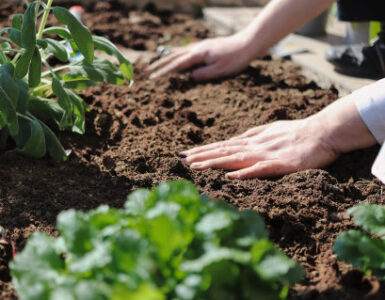
Dried molasses products can be added to soil or compost, depending on the product. If you use a dried molasses product, follow the application rate on the package. Different products can have different ingredients and strengths.
1. To Improve Soil Health
Healthy soil is the foundation of a good garden. Ensuring your soil provides all the nutrients your plants need can give you a rewarding gardening experience.
Molasses contains potassium, a nutrient that plants need for healthy growth. However, the amount of potassium in molasses may not be enough to correct a potassium deficiency.
Soil microbes can use the sugars and other organic compounds in molasses as a food source. Their activity may help break down organic matter in the soil. Still, adding molasses alone is not the same as adding compost or other rich organic matter.
2. As a Soil Amendment
Molasses contains small amounts of minerals such as potassium, calcium, magnesium, and iron. But the exact amount depends on the type of molasses you use.
Some commercial fertilizer formulas and organic soil products also contain molasses as one of their ingredients. These products may contain other nutrients as well, so they can provide more complete plant nutrition than molasses alone.
Because of this, molasses should not replace a balanced fertilizer when your plants need additional nutrients.
Some gardeners add a small amount to compost or soil as a source of sugars for soil microorganisms. These tiny organisms help break down organic matter in the soil. This may support healthy soil activity.
However, adding more molasses does not always mean better plant growth. Too much can upset the balance of the soil and may attract ants and other insects.
If you want to try molasses in your garden, use a small amount and follow the directions on the product label. You can also add it to compost instead of applying it directly to your plants.
3. Add to Compost
The sugars in molasses can provide food for some microorganisms in compost.
Some gardeners add small amounts to compost for this reason. However, a compost pile does not usually need molasses to start breaking down.
If you use a molasses product in compost, follow the directions on the package.
4. Add to Water
Some gardeners dilute a small amount of molasses in water and apply it to the soil. There is no proven universal recipe or schedule for using molasses water in a home garden.
The goal is usually to provide food for soil microorganisms. It is not meant to give the plant a direct source of energy. Using too much can create problems, so avoid frequent or heavy applications.
If you use a commercial product, follow the label directions.
5. Pest Control
Some gardeners use molasses as part of homemade pest control recipes. However, molasses should not be treated as a proven insecticide.
Molasses is high in sugar, and some homemade sprays use it with other ingredients. These mixtures may affect some insects, but results can vary. A homemade spray that seems to work in one garden may not work in another.
Because molasses is sticky and sugary, spraying too much on plant leaves may attract ants and other insects. It may also leave a sticky coating on the plant.
For this reason, it is best to use proven pest control methods first. These include removing pests by hand, spraying some soft-bodied insects with water, using insecticidal soap when appropriate, and encouraging helpful insects such as ladybugs and lacewings.
If you still want to try a molasses-based garden treatment, test it on a small part of the plant first. Wait a day or two to check for damage before treating more of the plant.
6. Weed Control
Molasses is sometimes promoted as a natural weed killer. However, there is not enough good evidence to say that molasses is a reliable way to kill weeds.
Some homemade weed sprays combine molasses with other ingredients, such as vinegar. These mixtures can damage nearby plants if they are sprayed on them.
Vinegar can damage plant leaves. It may also kill the top growth of some young weeds, but it does not always kill the roots. This means some weeds may grow back.
For better weed control, pull weeds when the soil is damp. You can also add a layer of mulch around plants. Mulch blocks sunlight and makes it harder for new weeds to grow.
If you use any homemade weed treatment, be careful to keep it away from plants you want to save. Always test a small area first.
Why Dried Molasses?
Liquid molasses is very sticky, making it difficult to measure accurately.
Dried molasses products are often easier to store, measure, and spread than sticky liquid molasses. However, the products can vary.
Some are made by spraying molasses onto another material, such as grain or meal. Always check the label to see what ingredients the product contains.
Where can I buy molasses for plants? You can find liquid and dried molasses products online and in some gardening or farm-supply stores.
Some products are also made for agricultural use rather than home gardens, so always check the label before applying them to soil or plants.
Takeaway
Molasses can be an interesting addition to some gardening and composting practices. However, it is not a magic fertilizer or a proven cure for garden pests and weeds.
If you decide to try it, use a small amount, follow product directions, and pay attention to how your soil and plants respond. For healthy soil, compost, mulch, and the right nutrients are usually more important.

 Sasha Campbell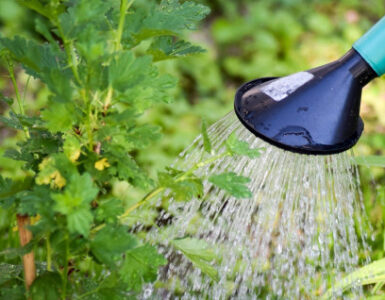



Add comment