

 Sasha Campbell
Often considered a crop for experienced gardeners, celery is not difficult to grow at home. Moreover, gardening and harvesting your own organic celery makes it cheaper and healthier.
Below are a few tips on how to plant celery.
How Long Does It Take for Celery to Grow?
On average, the growth cycle takes 130 to 140 days from seed to harvest. However, growing from cuttings may take less time to reach maturity.
This vegetable requires cool weather and rich, fertile soil to thrive. It also requires a lot of nutrients and plenty of water.
Growing Celery from Seeds
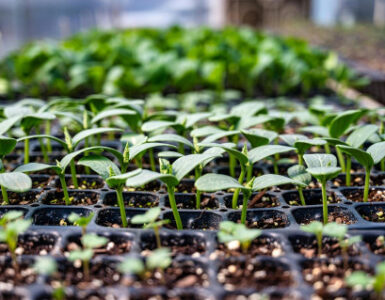
If you are growing celery from seeds, you will need to start the seeds indoors 8 to 10 weeks before the last frost.
Germination takes 2 to 3 weeks. However, to speed up the process, soak the seeds overnight in warm water before planting.
Additionally, the seeds need ample light to grow, so sow them on top of your starting mix and lightly cover them with a fine layer of potting soil. You can also provide them with overhead lighting.
Water lightly so you don’t wash the seeds away. The seeds also need warmth to germinate. Therefore, place the container on your windowsill if it’s still cold.
Keep the soil moist and thin out the seedlings or transplant them when they are large enough.
Growing Celery from Scraps
Growing celery from the stalk base you are about to toss is possible.
Separate the stub section (root end), removing all stalks and leaving at least an inch between the base and the stalk.
This will leave a short bottom that looks a bit like a flower; however, this will become the base of a new plant.
Ensure that you thoroughly rinse this base. Next, place it in a bowl with water that is about halfway up the root end. Afterward, put the bowl in a bright, sunny spot and refill the water as needed.
Read more about growing plants in water.
This new plant will absorb a lot of water in the first few days, so it is vital that you check on it regularly. Also, change the water regularly, as it may become stagnant.
To prevent rot, use toothpicks to stick around the sides. This will keep the celery from touching the bottom of the bowl.
Once new shoots become visible, you can transplant. Thoroughly cover the new base with nutrient-rich soil. The soil should also cover the base entirely, leaving just the shoots sticking out.
How to Grow It Indoors
It can be grown quickly and entirely indoors with a few tips. Ensure you have good seed starters if you are not growing them from existing bases.
Anything you use for indoor planting should allow for natural drainage while still retaining plenty of water. Also, remember that celery requires a good amount of nutrients and prefers shallow planting.
Along with regular watering, giving it a dose of compost tea once a week will give it the boost it needs to thrive.
Additionally, remember that the plant needs close to 8 hours of sunlight per day. Therefore, if you do not have sufficient light where the container is, place fluorescent or LED lights near the plant.
Should you wish to keep pests off celery plants, there are many simple and effective home remedies that can help protect this vegetable.
Growing in Pots
Celery can be quickly grown in pots if you follow a couple of rules of thumb. Ensure the container is at least 8 inches deep.
Additionally, watch the water levels. This moisture intensity should be considered when selecting the pot you use. A plastic container is best, as terracotta or unglazed clay pots tend to dry out quickly.
Use a mixture of half soil and half organic compost, and mulch around the plant to keep the soil moist and cool.
Also, because the celery plant is a heavy feeder, it requires a lot of nutrients. Give it a boost of organic fertilizer, such as seaweed extract or fish emulsion, every 2 to 3 weeks.
When growing in containers, note that celery needs a lot of water (1 to 1.5 inches per week). However, ensure that the soil is still draining, but not too quickly.
Finally, place the pot on your balcony or in a spot where it gets 6 to 8 hours of full sun each day.
Celery Companion Plants
Companion planting involves placing certain plants together to promote each other’s growth.
Herbs such as thyme, sage, mint, dill, oregano, and rosemary grow well with celery. Also, vegetables like garlic, onions, leeks, beans, cabbage, radishes, cauliflower, and broccoli make excellent companion plants for celery.
Moreover, flowers like nasturtiums, marigolds, cosmos, and daisies make great companions as well.
Don’t pair parsley, parsnips, carrots, turnips, or potatoes with celery. They all need the same nutrients and moisture.
Pests and Diseases
Covering plants with row covers is essential early in the growing season. This helps keep pests such as aphids, cutworms, leaf miners, and carrot flies away.
Keeping a close eye on the leaf, stalk, and other plant parts is crucial. Holes in leaves, browning, or curling leaves can all point to active pests.
Additionally, the plant can be affected by pink rot, leaf blight, mosaic virus, bacterial soft rot, and Fusarium yellows and wilt. Diligence in watching for signs and in rotating plants can help control these concerns.
Read more on how to control plant diseases naturally.
How to Harvest
Harvest when the outer stalks are about 8 inches long. Harvesting is done by cutting them free from the base, leaving the inner stalks to continue growing.
To gather seeds, leave the plant to grow beyond the harvesting period, when it begins to bolt. When seeds start to appear, stop watering the plant and allow it to dry.
Next, remove the plant from your garden bed and tap the flowers over a container to collect the seeds for the next crop.
Storing
After all the time you spent planting, cultivating, and harvesting celery, it’s natural to worry about keeping it fresh.
The best tip is to store the stalks in a container of water and refrigerate them.
To keep celery fresh in the fridge, fill a bowl with water and submerge the stalks. Cover the bowl with plastic wrap and refrigerate.
Alternatively, keep the heads whole. Wrap them tightly in aluminum foil. Then, place them in the refrigerator’s crisper drawer.
Nutrients in Celery
Celery benefits the body in many ways. One cup (100 g) of raw celery contains the following nutrients [1]:
- Vitamin C
- Calcium
- Potassium
- Magnesium
- Fiber
- Vitamin B6
- Vitamin K
- Folate
- Vitamin B2
- Copper
- Phosphorus
- Vitamin A
Takeaway
Celery may appear at first to be a stubborn and challenging vegetable to grow yourself. But with a little diligence, a cool climate, plenty of water, and direct sunlight, this vegetable is relatively easy to cultivate.
Moreover, you can regrow celery from stalks into new plants. This makes it sustainable and healthy. It’s a must-have vegetable for your garden.





Add comment