

 Sasha Campbell
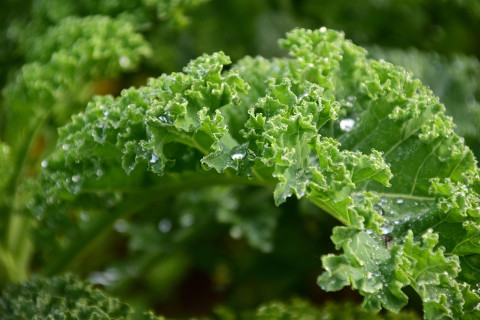
Kale is one of the easiest leafy green vegetables to grow.
It grows well in cool weather and can keep producing fresh leaves for weeks. Best of all, kale is packed with nutrients and is easy to cook [1].
Read on to learn how to grow kale from seeds or seedlings.
Growing Kale
Since you’re reading this article, you likely want to know how to plant your own kale so you always have a consistent supply. Fortunately, it is pretty easy to cultivate.
Prepare the Growing Space
You’ll need a little bit of space in a garden bed or a sunny spot in your yard.
If you don’t have yard space, a sturdy container at least 12 inches wide will work well. Plan your planting schedule so the crop matures before the intense summer heat.
Kale grows best in full sun. In hot climates, a little afternoon shade can help keep the plants from getting stressed.
You could also consider planting some good kale companion plants nearby. Give kale enough space to grow.
Avoid planting it too close to large plants like tomatoes because they compete for sunlight, water, and nutrients.
Most mature kale plants grow about 1 to 2 feet tall and wide, depending on the variety. Therefore, make sure you plant it in a location with enough space for mature plants.
Soil
Kale grows best in rich, well-drained soil with compost mixed in. A soil pH between 6.0 and 7.5 is ideal.
The Planting Process
Kale grows best in cool weather. That makes it a great crop for spring or fall gardens.
For a fall harvest, start seeds indoors about 4 to 6 weeks before transplanting outdoors. You can also sow them directly in the garden 6 to 8 weeks before your first expected fall frost.
Transplant seedlings outdoors once they are hardened off and large enough to handle. Kale tolerates light frost, making it an excellent crop for cool seasons.
Also, seedlings should have 3 to 4 true leaves before transplanting.
For a spring harvest, sow seeds outdoors 3 to 5 weeks before your last expected spring frost.
Most kale varieties are ready to harvest in about 50 to 75 days, though baby leaves can be picked much earlier.
Hot summer temperatures can make kale leaves taste bitter and may cause the plant to flower early. Therefore, it is best to avoid planting the seeds or seedlings in the heat of summer.
Watering and Fertilizing
Keep the soil evenly moist but not soggy. Most kale plants need about 1 to 1.5 inches of water each week, including rainfall.
Covering the ground with mulch can also help retain water and maintain a healthy root temperature.
Feed garden-grown kale with compost or a balanced fertilizer every 3 to 4 weeks if needed. If you’re growing kale in a container, use a water-soluble fertilizer about every 2 weeks because nutrients wash out of pots faster.
Kale grows best with a fertilizer that is high in nitrogen because it helps produce healthy green leaves.
Harvesting
Harvest the outer leaves once they are about 6 to 8 inches long. Younger leaves are usually more tender.
To harvest kale so it keeps growing, pick or cut the outer leaves near the base of the stem. Leave the small leaves in the center so the plant can continue producing new leaves.
While harvesting, remove any dead or bug-eaten leaves and add them to your compost.
Health Benefits of Kale
- Like many leafy green vegetables, kale is low in calories and fat but rich in fiber, vitamin K, and other vitamins and minerals [2]. It also contains iron, which helps support healthy blood cells.
- Kale contains antioxidants and other plant compounds that help protect your cells from damage. It also contains a small amount of the plant omega-3 fat called ALA.
- Kale is rich in vitamins A and C. Vitamin A helps protect your eyesight and contributes to healthy skin. Vitamin C supports skin health and helps support the immune system. Kale is also a good source of calcium, which helps build strong bones and teeth [3].
However, like all things, too much of a good thing is not a good thing. Although kale is often called a superfood because it is so nutritious, it doesn’t provide every nutrient your body needs.
Enjoy kale as part of a healthy, balanced diet that includes many different fruits and vegetables.
Takeaway
Kale is easy to grow, packed with nutrients, and delicious in many recipes. Whether you grow it in a garden or a container, you can enjoy fresh leaves for weeks.

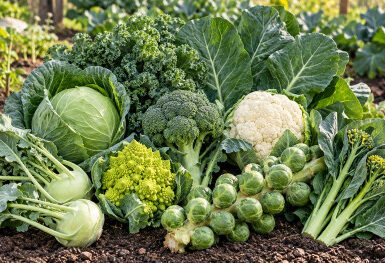



[…] Kale is one of the most cold-tolerant forms of Brassica oleracea. Cool weather can help make its leaves taste sweeter. You can eat young leaves raw or cook older leaves in soups, stews, and stir-fries. […]