

 Sasha Campbell
When you pull a carrot or beet from the ground, what happens to the leafy top? Many people throw it away. Yet some crops offer tasty leaves along with roots or fruit.
Some leaves make good cooked greens. You can use others in tea, sauces, or food wraps.
Do not assume every leaf on a food plant is safe to eat. First, know what plant you have and which part people use.
Crop Leaves You Can Cook Like Greens
1. Beet Leaves
You can eat both the beetroot and its leaves. Put small, tender leaves in a salad.
Cook larger leaves in a pan with a little oil and garlic, or add them to soup. You can eat the stems too.
Add them to the pan first because they take longer to soften [1].
If the beet is still growing, pick just a few outer leaves. Leave plenty behind to help the root grow.
2. Radish Leaves
Radish leaves have a peppery taste. Chop young leaves into a salad or blend them into pesto.
If the leaves feel rough, cook them in soup or in a pan with other greens. Cooking makes them softer [2].
Wash between the leaves to remove dirt. Use them soon after you pick them because they wilt quickly.
3. Pumpkin Leaves
People cook young pumpkin leaves and tender shoots in soups, stews, and other dishes.
Choose young leaves, wash them well, and cook them until soft. The leaves and vines can feel prickly, so handle them with care [3].
If you also want pumpkins, do not strip the vine. Its leaves help the fruit grow.
4. Sweet Potato Leaves
You can eat young sweet potato leaves, soft stems, and vine tips.
Cook them in a pan with garlic, stir them into stew, or add them to soup. They also go well with beans [4].
Be sure you have a sweet potato plant. It is different from a regular potato plant. Do not eat regular potato leaves in its place.
5. Moringa Leaves
Pull tender moringa leaflets from their thicker stems.
Stir them into soup, stew, or cooked greens near the end of cooking. People also dry the leaves and use a little of the dried leaf in food [5].
Start with a small handful to see how you like the taste. Moringa is a food, but it is not a cure for illness.
Leaves You Can Use in Smaller Amounts
6. Carrot Leaves
Carrot tops are edible. They taste a little like parsley.
Finely chop them into soup, blend them into pesto, or sprinkle a small amount over a cooked meal. Remove thick stems if they feel too tough [6].
Wash carrot tops well because their fine leaves can trap soil. If carrot tops have caused a reaction before, do not eat them.
7. Purslane
Common purslane has fleshy leaves and thick, smooth stems. It tastes a little tart.
Add its tender leaves and stems to a salad, stir them into soup, or cook them with other greens. Identify common purslane with certainty before eating it [7].
Purslane has oxalates, natural substances found in some plants. People prone to kidney stones may need to limit it.
Do not pick purslane beside roads or where sprays may have been used [8].
8. Strawberry Leaves
You can brew woodland strawberry leaves to make tea.
You can also eat them fresh or cooked, though most people grow the plant for its fruit. Use leaves from a plant you can identify and know has not been sprayed [9].
Wash the leaves well. If you grow another type of strawberry, check that plant before using its leaves.
Leaves That Need More Care
Pepper, mango, avocado, and fig leaves have special uses. Do not treat them like everyday salad greens.
9. Pepper Leaves
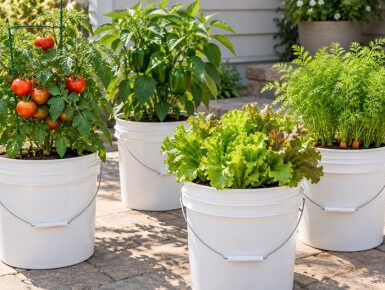
People use leaves from properly identified Capsicum pepper plants in some cooked dishes. You can add the leaves to soup or cook them with other greens.
The leaves do not have the same heat as the pepper fruit. Use leaves only from a pepper crop you know, and follow a trusted recipe [10].
Do not use tomato leaves, regular potato leaves, or leaves from an unknown plant just because they look similar.
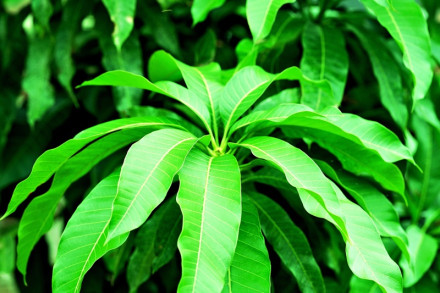
10. Mango Leaves
People sometimes brew mango leaves to make tea.
They do not usually cook the leaves as a bowl of greens. Mango leaf tea is a traditional drink, but do not treat it as a cure for illness [11].
Mango sap can cause a skin reaction in some people, especially those sensitive to poison ivy.
If you make tea, use leaves from a mango tree you can identify and know has not been sprayed. Wash them first [12].
11. Avocado Leaves
People use avocado leaves to flavor some traditional dishes, such as soups, stews, and beans. They use the leaves much like a seasoning rather than serving a plate of them.
Use a trusted recipe and leaves from a tree whose type you know.
Do not pick leaves from an unknown avocado tree and treat them as ordinary greens.
Avocado leaves contain persin, which can harm some animals. Keep them away from pets and livestock [13].
12. Fig Leaves
People sometimes use leaves from the common edible fig tree to wrap food during cooking.
They may also use a leaf to add flavor, then remove it before serving. They do not usually serve fig leaves as a plate of greens.
Be careful when you cut them. The tree’s milky sap can irritate skin, and sunlight can make the reaction worse.
Wear gloves and follow a trusted recipe [14].
More Edible Crop Leaves to Try
Turnip greens are another easy choice. Cook them with garlic, simmer them in a stew, or add them to soup.
You can also eat young shoots from edible garden peas. Add them to a salad or cook them quickly in a pan.
Do not confuse garden peas with ornamental sweet peas, which are not food [15, 16, 17].
How to Harvest and Store Leafy Crops
Pick fresh, healthy leaves. Leave slimy or badly damaged leaves behind. If you want the plant to grow roots or fruit too, take only a few leaves at a time.
Wash leaves under running water before using them. Dirt can hide in folds and around stems.
Keep picked leaves cool and use tender greens soon. When you bring home beets, carrots, or radishes, cut the leafy tops from the roots and store them separately. This helps keep the roots from drying out [18].
Start with familiar greens, such as beet, radish, and sweet potato leaves. Once you know how to prepare them, you can enjoy more of what your garden grows.





Add comment