


 Sasha Campbell
People have been using boiling water to kill weeds for centuries. It’s not a new practice.
Unfortunately, it is also not a practical method for large-scale commercial farming. However, boiling water as a weed killer for small backyard gardens is still viable.
It’s called thermal weed control, and its purpose is to destroy plant cells and tissues using heat from the hot water [1]. It works because water is highly effective at transferring heat.
Since water naturally flows downward into the soil, it can transfer heat below the plant’s surface more effectively than hot air. However, the heat dissipates quickly, so deep roots may survive treatment.
Does boiling water kill weeds? Yes, it does. It can be an effective alternative to chemical herbicides for small areas. This is especially true for young weeds growing in sidewalks, driveways, and garden paths.
Using Hot Water for Weed Control
Plant tissues are sensitive to extreme heat, which is why boiling water can damage or kill weeds. It’s an effective natural weed killer for small gardens, sidewalks, and between block paving.
Additionally, it contains no herbicidal chemicals, although boiling water can cause serious burns if handled improperly.
Pouring boiling water on weeds is unlikely to harm nearby plants if applied carefully. However, it can damage surrounding roots and desirable plants if it spreads into the soil.
Boiling water may also harm beneficial soil organisms near the treatment site. Therefore, it is best used for spot treatments rather than widespread application.
The risk of injury is also greatly reduced if you dress appropriately and handle the boiling water carefully.
Attire
- Long pants
- Long sleeves
- Closed shoes
- Safety gloves
When killing weeds with boiling water, the less exposed skin there is, the better. This will help prevent accidental burns.
Identifying the Weeds
Before you begin, make sure you know what you intend to get rid of, lest you inadvertently eliminate something you want to keep.
Anything the hot water hits by accident, whether a weed or a vegetable, will begin to wilt quickly. This method works best for sidewalks, cracks, between pavers, and the edges of your lawn and garden.
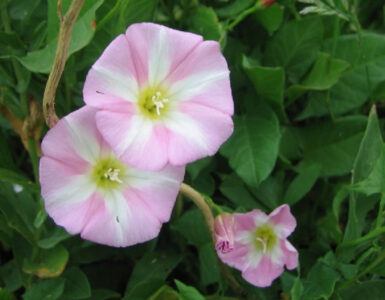
Scalding hot water can also damage and suppress bindweed. However, repeated treatments are often necessary because of its deep root system.
The Heating Process
Fill a teakettle with water and set it on the stove to boil. Bring the water to a rolling boil before applying it to the weeds.
Killing the Weeds with Boiling Water
Before turning off the stove and taking the kettle outside, wear oven mitts or heat-resistant gloves to protect your hands.
Approach the weeds with extra care, but as quickly as possible. The water will begin cooling as soon as it leaves the stove, so apply it promptly for the best results.
If you can help it, you won’t want to make frequent and time-consuming trips back and forth to boil more water. Once in place, hold the kettle’s spout so it tips directly onto the weeds.
For larger weeds, ensure the boiling water thoroughly contacts the crown and the surrounding soil.
Aim carefully to avoid damaging anything else. If you’re not careful, the boiling water will kill grass, clover, dandelions, and other plants you want to keep.
Avoiding Splashes
You’re holding a kettle full of potentially dangerous, scalding water designed to destroy weeds in your garden. You may be worried about the heat when pouring the boiling water.
The best way to curb this is to squat or kneel and pour the water down from a low point. Doing so will make it splash far less than if you held it at hip height.
Will Weeds Grow Back?
If you see a stubborn reappearance of weeds thought to be long dead, reapply the hot-water treatment. With each new application, the plants will become weaker.
Many weeds can be controlled with repeated applications. However, deep-rooted perennial weeds may require ongoing treatment or additional control methods.
Can You Use Vinegar Instead of Water?
Vinegar can also be used as a natural contact herbicide. However, it is most effective on young weeds and generally damages only the parts of the plant it directly contacts.
Avoid heating vinegar, as the vapors can be irritating. Also, avoid excessive use, as vinegar can affect soil organisms and alter soil conditions in the treated area.
Read: How to Use Vinegar to Kill Weeds: Basic Guide.
Takeaway
Weeds can be a nuisance in gardens and landscapes because they spread rapidly. They compete with desirable plants for nutrients, water, sunlight, and space.
Synthetic herbicides are popular right now; however, natural alternatives are becoming increasingly popular.
So, the “hot water sprayer for weeds” method is now seen as a simple and affordable way to kill weeds naturally.





Add comment