

 Sasha Campbell
Catnip is much more than a favorite treat for cats. This easy-to-grow herb can also be a wonderful addition to your garden.
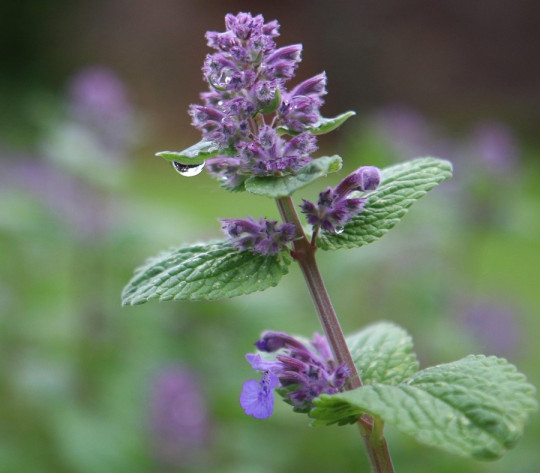
It has soft green leaves, clusters of small white-to-pale-lavender flowers, and a fresh, minty scent. Best of all, it can help attract helpful insects, keep some pests away, and support a healthier garden.
Catnip is a member of the mint family, so it grows quickly and is easy to care for [1]. Even if you are new to gardening, you can grow it with very little work.
In this guide, you’ll learn about the garden benefits of catnip, as well as how to plant, grow, and care for it.
What Is Catnip?
Catnip (Nepeta cataria) is a herbaceous perennial that originated in Europe and Asia [2]. Today, it is naturalized in many parts of the world.
It is well known because many cats love its smell. The herb contains a natural compound called nepetalactone, which triggers a strong behavioral response in some cats.
People have also used catnip for hundreds of years to make herbal tea and as a traditional home remedy.
In the garden, however, catnip is valued for a different reason. It attracts beneficial insects while helping to discourage some unwanted pests.
Garden Benefits of Catnip
One major reason to grow catnip is that it invites helpful insects to your garden. At the same time, it can make the area less appealing to certain pests.
1. It Helps Repel Mosquitoes
Catnip is famous for helping to keep mosquitoes away. The plant produces nepetalactone, which researchers have found to be a strong mosquito repellent.
While simply planting catnip will not eliminate every mosquito from your yard, it may help reduce mosquito activity around garden beds. Crushing a few leaves releases more of the plant’s aromatic oils, which have been shown to repel mosquitoes.
2. It May Keep Other Garden Pests Away
Catnip may also help discourage several common garden pests.
Gardeners often grow it near vegetables and flowers because its strong smell can confuse insects looking for plants to feed on.
Some gardeners report fewer pests around catnip, including aphids, flea beetles, cucumber beetles, squash bugs, cabbage worms, and ants. However, results can vary based on growing conditions and the level of pest pressure.
3. It Attracts Pollinators
When catnip blooms, it produces clusters of small white to pale lavender flowers. Bees, butterflies, and other pollinators love these flowers because they provide plenty of nectar.
Pollinators help many fruits and vegetables produce better fruit set and often larger harvests. Cucumbers, pumpkins, squash, peppers, tomatoes, and many berry plants all benefit when bees visit their flowers.
Growing catnip near your vegetable garden can encourage pollinators throughout the growing season.
4. It Brings Helpful Insects
Not all insects are harmful. Some insects actually help protect your plants by controlling common garden pests.
Catnip flowers attract beneficial insects such as hoverflies, lacewings, and tiny parasitic wasps. Their young help control pests such as aphids, caterpillars, and other soft-bodied insects.
By inviting these natural predators into your garden, you may need fewer chemical pesticides.
5. It Supports Biodiversity
A healthy garden is full of different plants, insects, birds, and other wildlife. Catnip helps increase this diversity by providing food for pollinators and beneficial insects.
The more helpful creatures your garden supports, the more balanced your garden ecosystem becomes. Healthy ecosystems are often better able to handle pest problems naturally.
6. It Makes a Great Companion Plant
Catnip grows well near many vegetables and herbs.
It is often planted close to broccoli, cabbage, kale, squash, cucumbers, peppers, tomatoes, beets, and pumpkins. Growing catnip near these plants helps attract pollinators and beneficial insects. It may also discourage certain pests from harming nearby crops.
However, because it belongs to the mint family, catnip spreads easily. As a result, many gardeners grow it in containers or give it its own space so it does not take over nearby plants.
Other Benefits of Catnip
Although its garden benefits are impressive, catnip has several other uses, too.
Many people grow it simply because cats enjoy it. Fresh or dried leaves can provide enrichment for pet cats, although not every cat reacts to the herb.
Catnip can also be dried to make herbal tea.
Traditionally, people have used the tea to help them relax before bedtime. However, anyone with medical conditions or who is pregnant should speak with a healthcare provider before using herbal remedies.
The flowers also add beauty to flower beds with their soft colors and long blooming seasons.
How to Grow Catnip
Catnip is one of the easiest herbs to grow.
Plant catnip in a sunny location. The more sunlight it receives, the better it usually flowers.
Choose a spot with well-drained soil. Catnip does not grow well in wet, soggy soil because too much water can damage its roots.
You can grow catnip from seeds, starter plants, or cuttings.
If starting from seed, sow them in spring after the danger of frost has passed. Keep the soil lightly moist until the seeds sprout. Germination usually takes one to two weeks.
Space plants about 18 to 24 inches apart so air can move around them.
Catnip also grows very well in pots, making it a great choice for patios, balconies, and small gardens.
Caring for Catnip
Once established, catnip needs very little care.
Water young plants regularly as they become established. Older plants are fairly drought-tolerant and usually only need watering during long dry periods.
Too much fertilizer is not necessary. Overfertilizing may encourage leafy growth at the expense of flowering and can reduce the concentration of the plant’s aromatic oils.
Additionally, trim plants now and then to encourage bushier growth. Removing faded flowers can also help the plants produce more blooms.
If you want to stop catnip from spreading by seed, cut off the flower heads before they mature. This process is called deadheading.
Common Problems
Catnip is generally resistant to most diseases and pests.
Root rot can become a problem if the soil stays wet for too long. Planting in well-drained soil is the best way to prevent this.
Cats may also become a challenge. Some cats enjoy rolling in catnip plants so much that they flatten them. If this happens, placing a small wire cage around young plants until they become larger can help protect them.
Because catnip readily self-seeds, some gardeners find it aggressive or even invasive in certain regions. However, growing it in containers or removing spent flowers helps keep it under control.
Harvesting and Storing Catnip
You can begin harvesting catnip once the plants are well-established and about 6 to 8 inches tall.
Use clean scissors to cut stems just above a pair of leaves. This encourages the plant to produce new growth.
Many gardeners harvest the leafy stems just before or as the flowers start to open. This is when the plant’s aromatic oils are usually strongest.
Tie small bundles together and hang them upside down in a cool, dry place until completely dry. Store the dried leaves in an airtight container away from heat and sunlight.
Fresh leaves can also be used right away if you have pet cats or want to make herbal tea [3].
Is Catnip Safe Around Other Plants?
Yes, catnip is generally safe to grow near most vegetables, herbs, and flowers. It does not release chemicals that harm nearby plants. However, there are a few things to keep in mind:
- It spreads easily. Catnip can self-seed and may take over garden beds if you don’t trim the flowers or remove unwanted seedlings.
- It can compete for space. Like other mint family plants, catnip grows quickly and may crowd smaller plants if left unchecked.
- Containers help control it. Growing catnip in a pot or raised bed is an easy way to enjoy its benefits without worrying about it spreading throughout your garden.
With a little pruning or by growing it in a container, catnip can be a great companion plant without becoming a nuisance.
Where to Buy Catnip Seeds
You can find catnip seeds at most garden centers and online seed stores.
If you’re looking for reliable options, SeedsNow offers non-GMO catnip seeds that are great for home gardens. Seed Needs is another popular choice, with generous seed packets and high germination rates.
Takeaway
Catnip is much more than a fun plant for cats. It is an attractive, easy-to-grow herb that offers many benefits in the garden.
It helps attract bees and other pollinators. Catnip also brings in beneficial insects that feed on pests. Additionally, it may discourage mosquitoes and several common garden insects.
With plenty of sunshine, well-drained soil, and very little care, catnip can reward you with healthy growth year after year.
Whether you grow it in a garden bed or in a container, this versatile herb is a simple way to support a healthier, more natural garden.




Add comment