

 Sasha Campbell
If you live in Colorado or adjacent states, you may have spotted a pesky little pest this time of year: the Miller moth.
Adult Miller moths generally do not damage plants, but they can become a nuisance when they enter homes in large numbers. Their larvae, known as army cutworms, can feed on crops, lawns, and garden plants [1].
If you’re looking for ways to manage these moths without chemical pesticides, you’re in luck. Several natural methods can help reduce their numbers and keep them out of your home.
Yes, we will show you some easy, natural techniques that will help you control Miller moths and their army cutworm larvae.
Why Are There Suddenly So Many Miller Moths?
Miller moths are the adult form of the army cutworm.
Every spring, adult Miller moths migrate through Colorado and nearby states. They are on their way to higher elevations in the Rocky Mountains [2].
This seasonal migration is one reason they sometimes appear indoors in large numbers.
Damage Caused by Army Cutworms
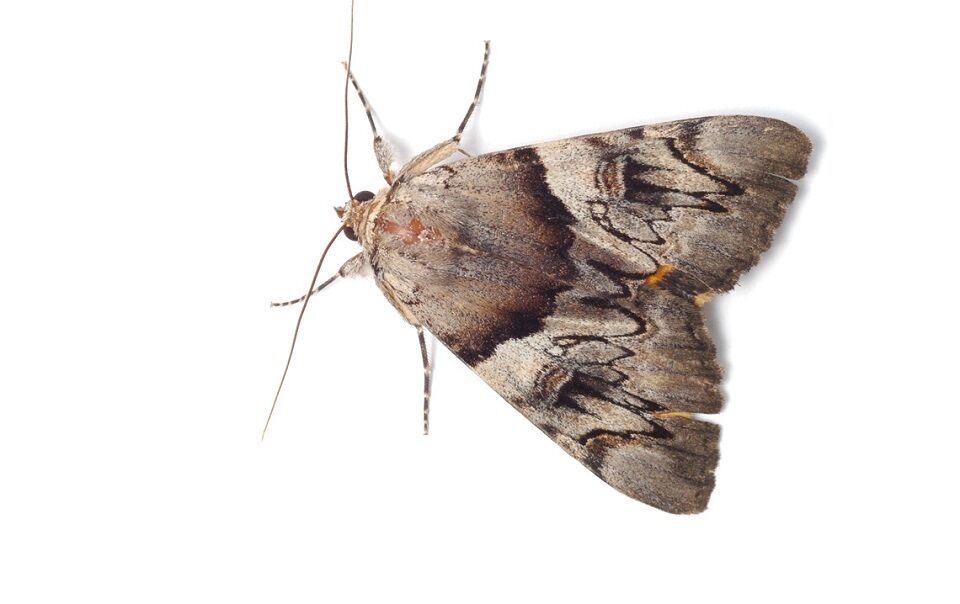
The moths are generally gray or light brown, as seen in the picture above. They are attracted to light and may invade your home as a result.
However, it’s the larvae that gardeners fear. The caterpillar stage of Miller moths can do a significant amount of damage to your plants and crops.
According to experts, they can damage plant crowns and chew on plant stems, cutting them off completely [3].
Natural Ways to Get Rid of Miller Moths
There are a few ways that you can naturally protect your plants from these pests.
These solutions range from simple methods, such as vacuuming or letting in predators like bats, to more complex options, such as setting up an insect trap.
We’ll discuss these options in more detail below!
1. Natural Enemies
It’s worth knowing that Miller moths have their own natural enemies; you don’t always have to be the one to get rid of them.
The main enemies of Miller moths include predatory ground beetles, some birds, bats, and wasps. Ground beetles and wasps feed on the cutworms, while birds and bats eat the moths.
2. Vacuum Them
Another way to get rid of those pesky Miller moths is to simply suck them up. Use a high-powered vacuum cleaner.
Vacuuming the area around your windows can be an effective way of getting rid of Miller moths. Also, vacuum all cracks and crevices, and don’t forget to get into corners, as these areas can be hot spots for these pests.
3. Attract Bats to Your Yard
Bats are natural predators of adult Miller moths and can consume large numbers of flying insects each night.
Consider installing a bat house in a suitable location away from busy areas.
Maintaining a wildlife-friendly yard can also help support local bat populations and other beneficial insect-eating animals.
4. Reduce Outdoor Hiding Places
Miller moths often rest in sheltered areas during the day. Keeping your property tidy can make it less attractive to them.
Trim overgrown vegetation near the house, remove piles of debris, and keep grass mowed. Also, avoid leaving doors and windows open unnecessarily during peak moth activity.
5. Bug Zapper
Bug zappers can reduce the number of adult moths around porches and patios. However, they may also attract and kill beneficial insects.
This device is designed to attract nighttime flying insects, such as moths and flies, with a UV light, then kill them with an electric current.
6. Keep Lights Off at Night
If you keep your lights on while moths are around, they’ll flock to them.
This doesn’t mean that you need to live in total darkness. It just means turning off the floodlights, porch lights, and other outside lights when possible.
7. Bowl of Soapy Water Trap
To make a simple Miller moth trap, a bowl of soapy water and a light bulb are all you need. All you have to do is mix a few drops of dish soap in a bowl of water and suspend a light bulb over it.
The moths will flock to the light. They’ll then fly over, drop into the water, and drown in the soapy solution. It’s as easy as that!
If you’re dealing with large numbers of Miller moths around your home, setting up a few light traps with soapy water can help control the problem.
8. Pick Eggs off Plants
Army cutworm moths usually lay their eggs in soil, although they may occasionally be found on low-growing vegetation.
If you spot army cutworm eggs on low-growing plants, removing them before they hatch may help reduce future caterpillar populations.
9. Seal Entry Points
Inspect windows, doors, vents, utility openings, and screens for gaps. Sealing these entry points can help prevent Miller moths from entering your home during their seasonal migration.
Don’t forget about places like attic or basement windows, which are likely not inspected for a while. Seal up damaged windows to provide an extra layer of protection against bugs, miller moths, and other flying pests.
Takeaway
Miller moths can be a nuisance, but it’s possible to keep them away without resorting to harsh chemicals. From picking off the eggs to sealing windows and vents, there are plenty of organic ways to get rid of these moths.
Natural methods such as reducing outdoor hiding places, keeping outdoor lights off when possible, using soapy water traps, and encouraging natural predators can help reduce Miller moth activity around your home.
With a little patience and effort, you can keep your home and garden protected without resorting to harsh chemicals.




Add comment