

 Sasha Campbell
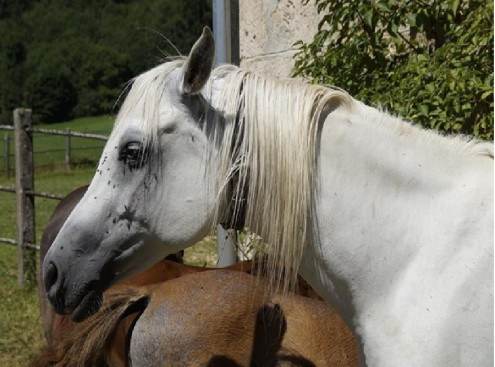
Known for their painful bites, horse flies are among the notorious pests of horses and other animals. You’ll often find them near farms, as they love to feed on the blood of animals and humans.
Horse flies (family Tabanidae) are aggressive biting flies that feed on the blood of livestock, wildlife, pets, and humans [1]. Their painful bites can cause stress in animals and make spending time outdoors unpleasant.
If horse flies are troubling you, you can use these natural methods from this article to get rid of them easily.
Identification
Horse flies are among the largest biting flies commonly encountered outdoors, so they’re pretty easy to spot.
They can be up to an inch and a quarter long with large bodies [2]. They can also be various shades of gray, brown, or black, with huge black or green eyes.
For food, the female loves a good blood meal, while males prefer honeydew and other plant juices.
Additionally, before laying eggs, female horse flies need a blood meal. This meal gives them the protein they need to reproduce well.
After hatching from the eggs, the larvae begin feeding on small insects they catch at the breeding sites.
Horse flies are most active on hot, sunny days with little wind. They are usually most aggressive during late spring and summer [3].
How to Get Rid of Horse Flies Naturally
Here are some home remedies and natural solutions to help eliminate the problem. Try them out and see what works best for you.
1. Yard Clean-Up
Horse flies are drawn to damp areas. You’ll often find them in pasturelands near creeks during the summer.
These large biting flies are often found around weedy areas. They’re especially fond of humid environments, which is why they’re often found near pools and beaches.
2. Secure Garbage
Good sanitation practices help reduce overall fly populations around your property. Keep garbage containers tightly sealed and promptly clean up spilled animal feed to discourage nuisance flies.
3. Sticky Traps
Fly paper is a traditional method for attracting and catching flies, and it’s easy to use. Place sticky traps in areas where horse flies are commonly seen, such as barns, stables, and sheltered outdoor spaces.
You can also make a DIY sticky fly trap by trying the Manning trap. All you need is a stool hanging from the ceiling.
Underneath, hang a dark ball and wrap the stool’s legs in fly paper. This way, any flies that try to fly away will get stuck!
4. Bug Zappers
Bug zappers may kill some horse flies. However, they are generally less effective than traps designed specifically for biting flies.
The devices attract the critters to ultraviolet light, and you know what happens next.
5. Bottle Trap
All you need for this homemade horsefly trap is some spoiled meat and a plastic bottle.
Cut the top off the bottle and drill a hole in the cap. Next, place the top part upside down inside the bottom part, then fill the bottom part with water and meat.
The bait may attract some flies, although horse flies are generally more attracted to animals, movement, and carbon dioxide than to food-based baits. Once they’re in the trap, it will be almost impossible for them to get out.
6. Soap Spray
Another home remedy to keep away horse flies is to make a spray with 2 cups of white vinegar, 4 tablespoons of liquid soap, and 1 cup of warm water.
Just mix it all up and spray away! This homemade spray may help repel some flying insects, although results against horse flies can vary.
Avoid spraying directly on sensitive plants and always test on a small area first.
7. Essential Oils
A repellent spray made with certain essential oils is another way to deter horse flies. Just remember to properly coat your horse with the spray for maximum effectiveness.
Oils such as lavender, peppermint, eucalyptus, lemongrass, and tea tree all work well together for this purpose.
Make a homemade horse fly spray by combining 15 to 20 drops of essential oil with 2 tablespoons of witch hazel or liquid castile soap in a 32-ounce spray bottle. Fill the remainder with water and shake well before each use.
You can also create a DIY horse fly repellent for humans by combining 15 to 25 drops of citronella oil with 1 ounce of organic witch hazel extract. Pour the mixture into a spray bottle for easy application.
Shake well, then apply to your skin. This spray will keep horse flies away from you.
8. Repellent Plants
Repellent plants play an essential role in keeping certain pests at bay.
To keep horse flies away, grow strong-smelling plants. Good options include basil, rosemary, bay, lemon balm, catnip, citronella, lavender, and tansy.
These plants may help discourage flies and other nuisance insects around your house and garden.
9. Use Fans Around Seating Areas and Barns
Horse flies are powerful fliers, but they have trouble flying in strong, continuous air currents. Placing fans around patios, porches, barns, stables, and other outdoor gathering areas can make it difficult for them to land and bite.
For best results, position fans so they create a steady breeze where people and animals spend the most time. This simple method can significantly reduce horse fly activity without using chemicals.
Why it works: Horse flies rely on flying directly to their hosts. Constant airflow disrupts their flight patterns and makes it harder for them to locate and land on people, horses, and other animals.
10. Manage Pool Area
If you have a pond or pool close by, possibly in the backyard, you’ll probably see the biggest problem with these flies during horsefly season.
Horse flies are often found around ponds, marshes, and other wet areas where their larvae develop. While eliminating standing water may help reduce some insect pests, horse fly populations are more closely associated with nearby wetlands and moist soil.
You can also place horse fly traps near these areas to help reduce adult populations.
11. Holistic Fly Defense Repellent Spray
Holistic Fly Defense by ARBICO Organics is a popular essential oil-based fly repellent.
This essential oil-based repellent is designed to help repel a variety of common nuisance pests. It’s also non-staining, making it a great choice for use around the home.
Moreover, the spray is totally safe to use inside or outside the barn. Plus, it leaves behind zero oily residue.
12. Dr. Earth Final Stop Pet Spray
This is another safe, natural, non-toxic pet spray. Made with botanical oils, Dr. Earth Final Stop is safe to use directly on your animals.
Moreover, you can use it both indoors and outdoors, and it works great as a deterrent against biting insects. This organic blend will also keep your pet’s fur looking smooth and dry.
This spray works great at keeping ticks, flies, fleas, mosquitoes, gnats, and other biting insects at bay. Always follow label directions for proper application.
13. Equiderma Horse Spray
Equiderma Horse Spray features a unique blend of botanical oils, aloe, and neem.
This formula not only repels blood-sucking and biting insects but also helps keep them under control. Plus, it will help keep your horse’s skin free from bacterial and fungal diseases.
This horse fly repellent spray also has a great citrusy scent. Always follow label directions when applying commercial repellents or insecticides around animals.
14. Essentria IC-3
This product features a unique blend of essential oils. These oils work well to control and kill flying and crawling insects.
With Essentria IC-3, you’ll get immediate pest knockdown and long-term control.
To use it, dilute it in water according to the manufacturer’s directions and apply it as a spot treatment.
15. Seal Up Cracks
Horse flies occasionally enter homes through open doors, windows, or gaps, especially when attracted by light or movement. If you have cracks in the house (or outside of it), these insects can easily make their way in.
The first course of action is to get rid of them with one of the home remedies or products we’ve highlighted. Next, seal up the crack to prevent any more from coming in.
16. Commercial Horse Fly Traps
You could also consider commercial horse fly traps, such as the H-Trap and the Horse Pal Trap.
These traps use dark moving objects to mimic animals. They are among the most effective long-term control methods.
See also: Home remedies to get rid of deer flies.
Takeaway
You can find horse flies almost anywhere. However, they are especially common near ponds, marshes, streams, and other moist habitats. These locations provide the perfect environment for their larvae to develop.
Horse flies are persistent biting pests that feed on blood. But don’t worry, these home remedies and natural solutions can help get rid of them.




What would get rid of spiders in the summer cant have no light on outside the door its awful you can see them coming out under the siding I hate insects so I have to stay inside please help