

 Sasha Campbell
Cold weather can sneak up on even the most experienced gardeners. A sudden drop in temperature can undo weeks or even months of hard work.
The good news is that protecting plants from cold weather doesn’t require expensive tools or complicated setups. With a few practical techniques, you can help your vegetables, herbs, and flowers survive the cold with far less damage.
Here’s how to protect plants from cold weather naturally:
1. Cover Them With Bed Sheets, Tablecloths, or Drop Cloths
One of the easiest and most effective ways to protect plants from cold weather is by covering them.
You can use household fabrics like old bed sheets, cloth tablecloths, or drop cloths. These are breathable fabrics.
The key is to drape the fabric loosely over the plants so air can still circulate. It’s also important to ensure the material does not rest directly on the leaves or stems, as this can cause damage.
Use stakes, tomato cages, or garden hoops to create a tent-like structure that keeps the fabric lifted above the plants. However, always remove the covers in the morning once temperatures rise, so plants can get sunlight and fresh air.
2. Use Row Covers
Row covers are a gardener’s best friend when cold weather threatens.
Row covers are made from lightweight fabric designed specifically for plants. They allow light, air, and water to pass through.
At the same time, they protect against cold winds and freezing temperatures. They are especially useful for vegetable gardens, where entire rows of crops can be protected at once.
Row covers work by trapping heat from the soil and reducing heat loss overnight [1].
During a mild frost, this extra warmth can be enough to prevent damage. Even during a harsher freeze, row covers can reduce plant stress and improve survival.
3. Burlap
Burlap is another excellent option for protecting plants during winter. This breathable fabric provides insulation while still allowing air to move through.
To use burlap to protect plants from frost and snow, place some stakes or wooden sticks around the plant. Leave a few inches of space between each stake and the plant.
Next, drape a double layer of burlap over stakes or sticks and secure it in place. However, just like the bed sheets or other materials, do not let the burlap touch the plant foliage.
4. Cardboard Boxes
You can also use cardboard boxes to keep plants warm outside in winter.
Cardboard is a great insulation material, trapping heat from the plants and soil. It is a cheap way to cover plants from frost and freezing.
The goal is to create some airspace between the fragile plant and the harsh temperatures.
However, be sure to choose the correct size cardboard box for your plant. You need to leave enough room for your plant so it doesn’t get stuffed, and air can circulate.
Invert the box so that the bottom is at the top. This DIY cover will provide complete protection for your plants while containing all of the heat inside.
Remove the cardboard boxes as soon as there is no risk of frost.
5. Mulch the Soil
A thick layer of mulch also helps regulate soil temperature, keeping roots warmer during cold nights.
Organic mulches like straw, shredded leaves, pine needles, or wood chips work especially well. They create an insulating blanket over the soil. This blanket protects roots from freezing temperatures and reduces moisture loss.
Mulch is particularly important for perennial plants, which rely on healthy roots to survive winter and regrow in spring.
Apply about 2 layers of mulch to the soil around plants after watering.
6. Bring Container Plants Inside
Container plants are far more vulnerable to cold weather than plants growing in the ground. Therefore, move pots into a garage, shed, porch, or even inside your home if space allows.
A bright window is ideal for plants that need light. However, many plants can tolerate lower light levels for short periods during cold snaps.
Elevating pots off cold concrete and placing them on wood or cardboard can also make a noticeable difference.
7. Light Bulb
When very cold temperatures are expected, adding a gentle heat source under plant covers can help protect them.
A simple 60-watt light bulb placed beneath whatever cover you use over plants can raise the temperature just enough to prevent freezing [2].
However, it’s important to use caution and ensure the bulb does not come into contact with fabric or plants to prevent fire hazards.
This technique is best used during short periods of extreme cold to shield against a hard freeze, rather than as a long-term solution.
8. Wrap Potted Plants
If you can’t bring container plants indoors, wrapping the pots can help protect the plants from freezing. Bubble wrap is particularly effective, acting like a warm coat that insulates the container and reduces heat loss.
Choose a plant that requires warmth. Now you need bubble wrap, clothespins, and a few sticks.
To create the framework to place the bubble wrap over, push the sticks into the soil around the container with the plant.
Next, wrap the bubble wrap around the structure. You can also use clothespins to secure the bubble wrap to the sticks.
For extra protection, set the pot on a piece of wood and surround it with mulch.
9. Water the Soil Thoroughly Before Frost
It may seem counterintuitive, but watering your garden before a frost can actually help protect plants.
Moist soil retains heat better than dry soil, releasing warmth slowly as temperatures drop. This extra heat can raise the air temperature around plants just enough to protect them from cold injury.
Takeaway
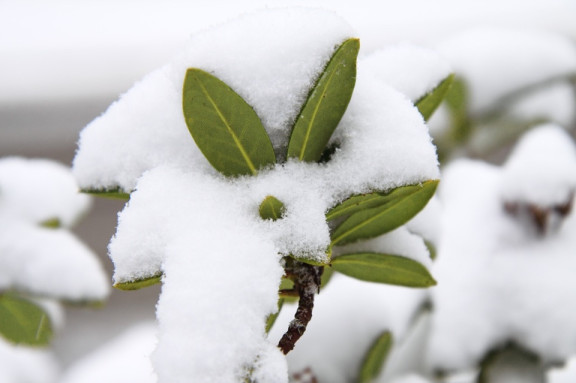
Protecting plants from snow and frost doesn’t have to be complicated or expensive.
With simple materials like fabric covers, burlap, mulch, and even a light bulb, you can protect houseplants and some outdoor plants in winter. This helps reduce the risk of serious frost damage.




Add comment