

 Sasha Campbell
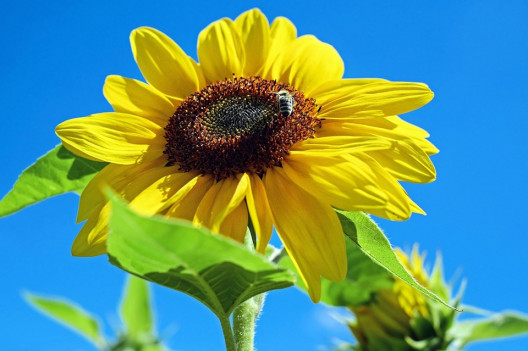
Sunflowers are excellent garden plants. Their tall stems, bold blooms, and ability to attract pollinators make them both beautiful and useful.
However, sunflowers don’t get along with every plant.
Choosing the right companion plants can improve growth, reduce pests, and even boost your harvest. On the other hand, planting the wrong neighbors nearby can stunt growth or compete for nutrients.
In this guide, you will learn which plants grow well with sunflowers and which ones to avoid.
Good Companion Plants for Sunflowers
Sunflowers provide shade and attract beneficial insects. They also act as natural trellises for climbing plants.
These qualities make them excellent companions for many crops.
Corn
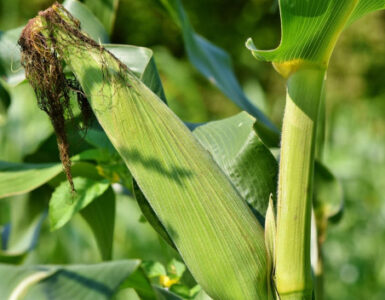
Corn and sunflowers grow well together because they have similar sunlight and soil needs. Both plants attract pollinators and create a beneficial mini-ecosystem in the garden.
Cucumbers
Cucumbers can climb sunflower stalks, saving space. Sunflowers can also provide partial shade for cucumbers during hot weather.
Squash
Large squash leaves help suppress weeds around sunflowers. On the other hand, sunflower blooms attract pollinators needed for squash production.
Sunflowers can also provide shade for squash plants.
Melons
Sunflowers serve as natural trellises for melons. The flowers also attract bees that improve melon pollination.
Lettuce
Lettuce also enjoys the shade from tall sunflower stalks. This is helpful in hot climates, where lettuce often bolts quickly.
Peppers
Both peppers and sunflowers enjoy similar growing conditions.
Sunflowers also attract pollinators and beneficial insects. These insects help pepper plants produce more fruit.
Peas
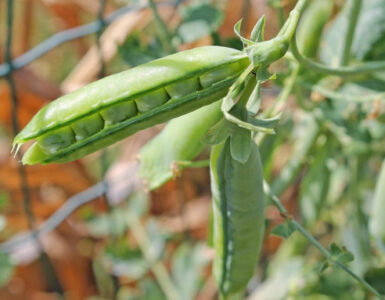
You can also grow sunflowers and peas together. The sunflowers act as a vertical support system for vine peas, while the peas add nitrogen to the soil, which benefits the sunflowers.
Basil
Basil helps repel specific pests and attracts pollinators. This creates a healthier growing environment for sunflowers.
Both plants also thrive in full sun and well-drained soil. However, basil still loves a little shade, which the sunflower provides.
Marigolds
Marigolds are famous for deterring harmful insects and nematodes in the soil. Planting them near sunflowers adds an extra layer of pest protection.
Zinnias
Zinnias attract butterflies and beneficial insects, increasing pollination activity throughout your garden. Both zinnias and sunflowers also share the same growing conditions.
Kale and Other Leafy Greens
Leafy greens such as mustards and Swiss chard benefit from the partial shade created by nearby sunflowers.
What Not to Plant with Sunflowers
Sunflowers offer many benefits. However, they also release natural chemicals into the soil. This process, known as allelopathy, can inhibit the growth of certain plants [1].
Below are some bad companions for sunflowers:
Potatoes
Sunflowers can stunt potato growth and reduce tuber development by altering soil chemistry.
Pole Beans (in large numbers)
While a few beans may climb sunflower stems, dense bean plantings compete heavily for nutrients and water.
Fennel
Fennel is already known to be a poor companion plant and can also inhibit sunflower growth.
Rice
Rice prefers consistently wet conditions, which conflict with sunflowers’ growing requirements.
Mint (when unmanaged)
Mint spreads rapidly and can overtake sunflower root zones, stealing water and nutrients.
Other plants that are among the worst companions include brassicas, rosemary, rhubarb, tomatoes, hydrangeas, hostas, and canna lilies.
How to Grow Sunflowers
Sunflowers are easy to grow, making them ideal for beginners and experienced gardeners alike.
These plants thrive in full sunlight. Therefore, choose a location that receives at least six to eight hours of direct sun each day.
Sunflowers like well-drained soil. They also grow best when you plant seeds directly in the garden, not when you transplant them.
Sow sunflower seeds about one inch deep after the last frost has passed, spacing them according to the variety you are growing.
Smaller varieties can be planted closer together, while larger varieties need more space to spread.
As seedlings emerge, thinning weaker plants allows stronger ones to develop sturdy stems and larger blooms.
Tall sunflower varieties may require staking in windy areas to prevent bending or breakage. With proper care, most sunflowers mature within 70 to 100 days.
Fertilizer Requirements
Sunflowers are not heavy feeders, but they grow best in soil enriched with organic matter.
Before planting, mix compost or well-rotted manure into the soil. This will provide steady nutrients throughout the growing season.
A balanced fertilizer can also be applied lightly during early growth if soil fertility is low.
Watering Needs
Sunflowers are surprisingly drought-tolerant once established. However, they require consistent moisture during their early growth stages.
Rather than watering lightly every day, it is better to water deeply once or twice a week.
Water a bit more during the flowering stage. This supports bigger blooms and seed formation. However, overly wet soil should be avoided because sunflowers dislike soggy, waterlogged conditions.
Pests That Affect Sunflowers
Sunflowers are hardy plants, yet they can still attract various common garden pests. Aphids are among the most frequent visitors.
Additionally, cutworms can be especially damaging to young seedlings. Sunflower beetles and caterpillars may also chew holes in leaves or feed on flower heads.
Also, birds and squirrels are strongly attracted to developing sunflower seeds. They may harvest them before gardeners have a chance to collect them.
However, there are simple, natural steps you can take to reduce pest problems in your garden.
Plant Diseases
Sunflowers can occasionally develop diseases, particularly when humidity is high or airflow is poor [2].
Powdery mildew is a common issue and appears as a white, powdery coating on leaves. Improving air circulation and watering at the soil level rather than overhead can reduce its spread.
Downy mildew may also cause yellowing and stunted growth, especially in cool, damp conditions.
Rust disease produces reddish-brown spots on foliage and can weaken plants if left untreated. Soil-borne diseases, such as Verticillium wilt, may also cause problems.
Practicing crop rotation, spacing plants properly, and removing infected plant material are effective ways to prevent disease problems in your garden.
Where to Buy Seeds
Sunflower seeds are widely available and affordable. This makes them accessible to gardeners almost everywhere.
Many gardeners purchase seeds from local garden centers or nurseries.
Online seed companies such as Seed Needs and SeedsNow also offer a wider selection, including heirloom and organic options.
Moreover, farmers’ markets and community seed exchanges are excellent places to find unique varieties. Plus, you support local growers!
Takeaway
Sunflowers are great companion plants. They support pollinators, provide shade, and help organize your garden layout.
Combining plants like cucumbers, squash, basil, and marigolds can improve your garden. At the same time, avoiding poor companions such as potatoes and fennel helps prevent growth problems.



Add comment