

 Sasha Campbell
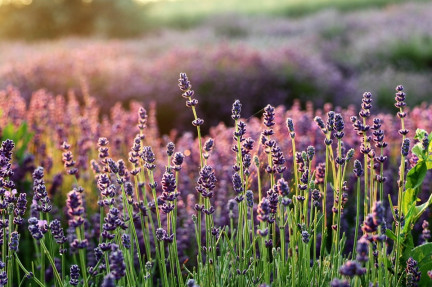
Lavender is one of those plants that almost every gardener falls in love with at some point. Its soft purple blooms and ability to attract pollinators make it both beautiful and practical.
However, lavender is actually quite particular about its growing conditions.
Pairing it with the wrong plants can lead to poor growth, among other things. On the other hand, choosing the right companion plants can help lavender thrive.
Therefore, understanding which plants grow well alongside it — and which ones do not — makes a big difference.
Good Companion Plants for Lavender
The best companion plants share these same growing conditions and help to ward off pests and plant diseases.
Below are some plants that go well with lavender in the garden.
Rosemary
Both rosemary and lavender love hot, sunny conditions and dislike soggy soil. Their similar watering needs also make maintenance simple.
Thyme
Low-growing thyme pairs well with lavender plants. It acts as a ground cover, helping to suppress weeds.
Sage
Common garden sage also enjoys the same growing conditions. Together, sage and lavender create a fragrant herb bed that attracts pollinators.
Oregano
Oregano tolerates drought and poor soil, making it another excellent herb companion. It also spreads gently without competing heavily for nutrients.
Moreover, oregano helps repel flies and aphids, which can affect lavender.
Echinacea (Coneflower)
Coneflowers add height and color contrast while attracting bees and butterflies. Their drought tolerance also makes them compatible with lavender’s needs.
Yarrow
Yarrow thrives in dry conditions. It also helps attract beneficial insects that prey on garden pests.
Moreover, its feathery foliage contrasts nicely with lavender’s structure.
Sedum (Stonecrop)
Sedum is a succulent-like perennial that loves dry soil and sunshine. It pairs well with lavender in low-water gardens.
Russian Sage
Russian sage also shares lavender’s love for heat and poor soil. Together, they create a soft, airy, purple-toned landscape.
Catmint (Nepeta)
Catmint blooms for long periods and handles drought well. Its blue flowers complement lavender visually while attracting pollinators.
Marigolds
Marigolds can help deter certain pests while tolerating similar sunlight conditions. Choose varieties that do not require frequent watering.
Alliums
Ornamental onions also help repel some insect pests naturally.
When planted together, these companion plants create a low-maintenance, water-wise garden. They also help protect lavender from pests.
Some Vegetables
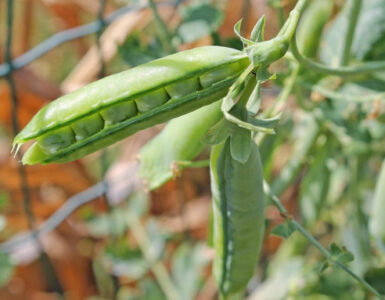
You can also plant lavender with some vegetables. Good choices include brassicas such as broccoli, cauliflower, kale, and cabbage.
Carrots, tomatoes, and eggplants are also excellent picks.
Bad Companion Plants for Lavender
Lavender struggles when grown near plants that prefer moist, rich soil. These companions often require frequent watering or heavy feeding — exactly what lavender dislikes.
Below are some plants to avoid planting near lavender.
Mint. Mint spreads aggressively and prefers consistently moist soil. It can quickly overwhelm lavender, creating conditions that favor root rot.
Basil. Basil also needs regular watering and fertile soil, which conflicts with lavender’s preference for dry soil.
Hostas. Hostas thrive in shade and moist environments. Growing them near lavender forces one plant or the other into unsuitable conditions.
Ferns. Ferns also require humidity and damp soil. This makes them incompatible with lavender’s Mediterranean requirements.
Hydrangeas. Hydrangeas demand frequent watering and nutrient-rich soil. These requirements can stress the lavender plants nearby.
Impatiens. These shade-loving annuals need constant moisture. They don’t thrive like lavender, which loves the sun.
In general, avoid pairing lavender with plants that love shade, heavy feeding, or wet soil.
How to Grow Lavender
Growing lavender successfully starts with understanding its origins.
Lavender is native to the Mediterranean region [1]. So, it thrives in conditions that mimic warm, dry coastal climates.
Therefore, choose a location that receives at least six to eight hours of direct sunlight daily.
Soil drainage is even more important than fertility. Lavender hates sitting in water.
Sandy or rocky soil works best, and heavy clay soil should be amended with coarse sand or gravel to improve drainage.
Additionally, plant lavender with sufficient spacing to allow for air circulation. Crowding increases humidity around the leaves and encourages disease.
Pruning is another key step. After flowering, trim plants lightly to maintain shape and encourage bushier growth.
Avoid cutting into woody stems, as lavender may not regrow from old wood [2].
Pests That Affect Lavender
One reason gardeners love lavender is its natural resistance to many pests. Its strong scent acts as a deterrent, but a few insects may still appear [3].
Aphids sometimes cluster on new growth, sucking plant sap and weakening stems. A strong spray of water or insecticidal soap usually solves the problem.
Spittlebugs may also leave behind frothy foam on stems. Though unattractive, they rarely cause serious damage.
Whiteflies may appear in warm climates, especially where air circulation is poor.
Spider mites can also develop during hot, dry weather, causing leaves to appear dusty or speckled.
Encouraging beneficial insects, like ladybugs and lacewings, helps control pests. This method naturally keeps pest populations down.
Plant Diseases
Lavender is relatively disease-resistant when grown in the right conditions. However, problems may arise when the soil stays too wet or when the airflow is poor.
Root rot is the most serious issue and usually results from overwatering or poorly drained soil. Plants may wilt suddenly despite moist soil.
Powdery mildew may also appear on leaves, often caused by overcrowding or humidity.
Leaf spot diseases may develop in damp conditions, leading to discolored or dropped leaves.
Preventing disease is easier than treating it. Proper spacing, full sun, and excellent drainage are the best defenses.
Fertilizer Requirements
Lavender is not a heavy feeder. In fact, too much fertilizer often causes more harm than good.
Rich soil encourages leafy growth at the expense of flowers and weakens the plant’s natural oils and fragrance. Most lavender plants grow best in lean soil with minimal nutrients.
If your soil is extremely poor, adding a small amount of compost at planting time is enough. Avoid high-nitrogen fertilizers, as they promote excessive foliage rather than blooms.
In many gardens, lavender thrives without any additional fertilizer once established.
Watering Needs
Overwatering is the most common mistake gardeners make with lavender.
Newly planted lavender needs regular watering until the roots establish. After that, watering should be reduced significantly.
Established lavender prefers deep but infrequent watering. Allow the soil to dry out between waterings.
In rainy climates, raised beds or containers help prevent soggy roots.
A good rule is to water only when the top few inches of soil feel completely dry.
Where to Buy Seeds
Lavender seeds and plants are widely available, but quality matters. Look for reputable garden centers or trusted online seed companies that specialize in herbs and perennials.
Popular sources include well-known seed suppliers such as SeedsNow and Seed Needs. Local nurseries may also carry varieties suited to your climate.
When choosing seeds, check if they are English lavender, French lavender, or Spanish lavender. Each variety has slightly different growing preferences that can affect how well they thrive.
Takeaway
Lavender may look delicate, but it is actually a tough, drought-tolerant plant when grown in the right environment.
The key to success lies in understanding its preferences. It requires full sun, well-drained soil, and excellent drainage.
Choosing compatible companion plants helps create a balanced garden where everything thrives together. This harmony boosts growth and health for all the plants involved.
Just as important is avoiding bad plant companions that can harm lavender.



Add comment